

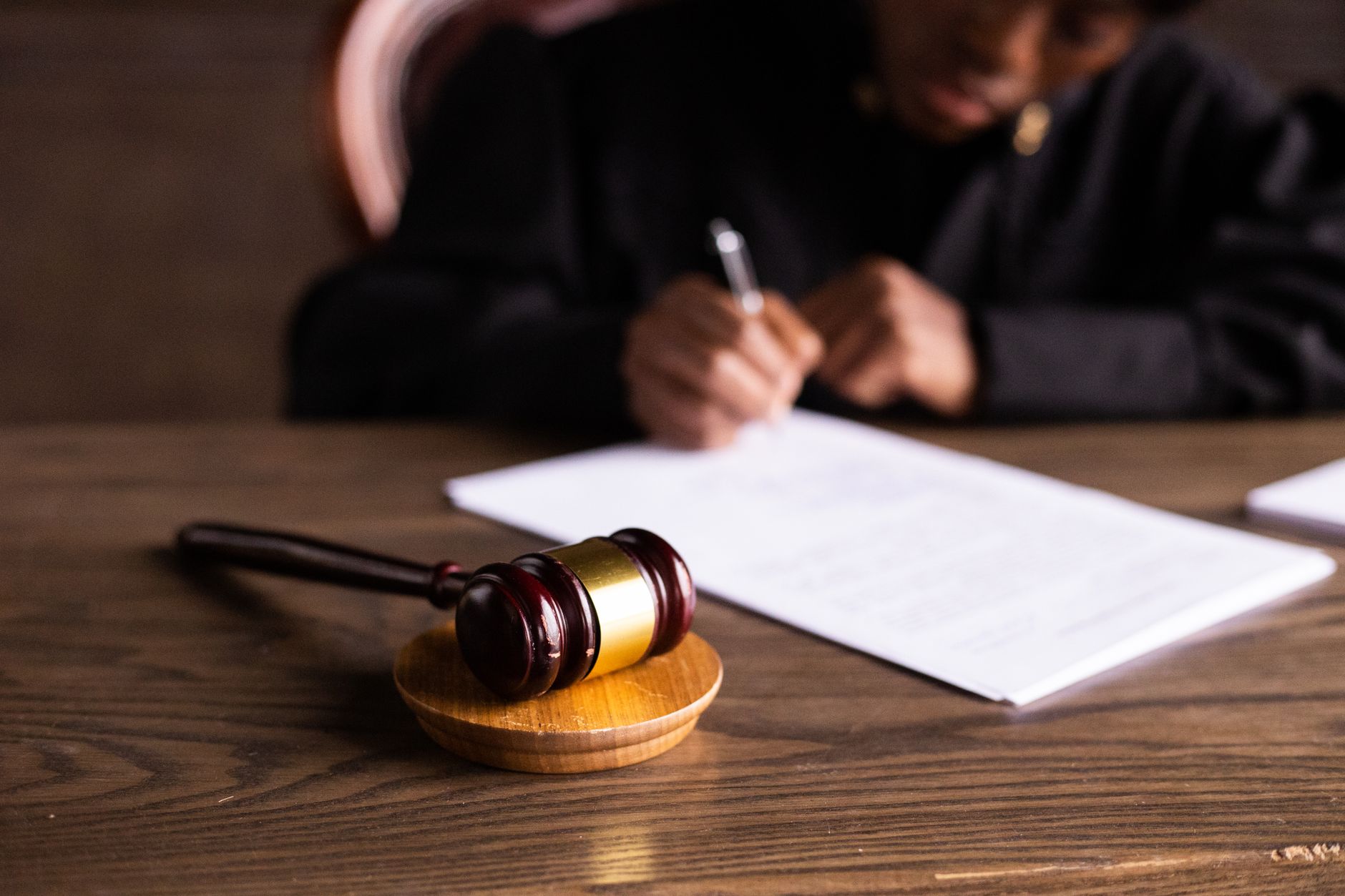
A personal injury lawsuit is the civil court process an injured person uses to seek compensation from the person or company that caused their harm, moving from an initial demand letter through filing, discovery, and possibly trial. Most cases never reach a jury: the vast majority resolve through negotiated settlement long before a verdict is entered.
What Is a Personal Injury Lawsuit?
A personal injury lawsuit is a civil action filed when someone is hurt because of another party’s negligence or wrongdoing, such as a car crash, a defective product, a slip and fall, or a medical error. The injured person (the plaintiff) asks a court to order the at-fault party (the defendant) to pay damages for medical bills, lost income, pain, and other losses. For a broader look at what counts as an injury claim and how state law shapes your options, see Legal Desire’s overview of personal injury rights under US law.
How Long Do You Have to File a Personal Injury Lawsuit?
Every state sets its own statute of limitations for injury claims, and missing that deadline generally bars recovery entirely regardless of how strong the case is. Deadlines also differ depending on whether the defendant is a private party or a government agency, which often requires a separate, much shorter notice period. Because these windows vary so widely by state and by claim type, anyone considering a lawsuit should confirm the exact deadline with a licensed attorney in their jurisdiction rather than rely on general estimates.
What Happens Before a Lawsuit Is Filed?
Most cases begin outside the courtroom. After treatment stabilizes, an attorney typically sends a demand letter to the insurance company outlining liability, injuries, and a settlement figure. If the insurer denies the claim, undervalues it, or negotiations stall, the next step is drafting and filing a formal complaint in court. Anyone who has just been in a crash should focus first on documentation and medical care, steps covered in detail in Legal Desire’s guide on handling an auto crash and protecting your legal rights.
What Are the Stages of a Personal Injury Lawsuit?
Once a complaint is filed, the case moves through a fairly predictable sequence in both state and federal court, though timing and local rules vary.
| Stage | What Happens | Typical Timing |
|---|---|---|
| Complaint and Service | Plaintiff files the complaint; defendant is formally served | Case start |
| Answer or Motion to Dismiss | A defendant generally has 21 days after being served to respond to a complaint in federal court, either by answering or filing a pre-answer motion | 21 to 60 days after service |
| Discovery | Written interrogatories, document requests, and depositions exchange evidence between sides | Several months to over a year |
| Motions and Mediation | Summary judgment motions are decided; many courts require mediation before trial | Overlaps with late discovery |
| Trial | A judge or jury hears evidence and issues a verdict | If the case does not settle first |
A defendant generally has 21 days after being served to respond to a complaint, and if the defendant waived formal service under Rule 4(d), the deadline extends to 60 days (or 90 days if served outside the United States), according to the Federal Rules of Civil Procedure.
What Happens During Discovery in a Personal Injury Case?
Discovery is usually the longest and most expensive phase of a lawsuit. In federal court, discovery is covered in Rules 26 through 37, which address everything from the general scope of what parties can request to specific tools like depositions (Rules 30 and 31), interrogatories (Rule 33), and requests for production of documents (Rule 34). Under Rule 26, parties cannot generally start formal discovery until after they have conferred, and the rule also sets the overall boundaries on what can be requested. Written questions sent to the opposing side, known as interrogatories, are governed separately by Rule 33. Once discovery closes, either side may ask the court to end the case early: a court must grant summary judgment if the moving party shows there is no genuine dispute about any material fact and they are entitled to judgment as a matter of law, and the court looks at the evidence in the light most favorable to the non-moving party.
Cases involving medical providers add extra layers, including expert witness requirements. Readers researching a hospital or doctor error should review Legal Desire’s explainer on medical malpractice cases before filing.
Do Most Personal Injury Cases Settle or Go to Trial?
Settlement is the norm, not the exception. Recent reports confirm that only 3% to 4% of personal injury tort cases proceed to a jury trial, based on Bureau of Justice Statistics data on state civil trials. Federal courts show a similarly low rate: federal data from U.S. Courts Table C-4, for the 12-month period ending September 30, 2024, shows an even lower trial rate, with roughly 2 to 4 percent of federal cases in personal-injury-specific categories reaching trial. That does not mean every other case settles for cash; the remaining share includes dismissals, default judgments, and cases resolved through arbitration or mediation rather than a negotiated payout. Still, insurers and defense counsel have strong incentives to resolve claims before a jury gets involved, which is one reason skilled negotiation and litigation-ready preparation both matter from the start. A lawyer’s early involvement often changes how quickly and how favorably a claim resolves, a point explored in Legal Desire’s article on why legal representation matters after a car accident.
What Happens After the Complaint Is Answered?
Once pleadings close, the case enters active case management. Courts typically hold a scheduling conference and set deadlines for disclosures and discovery completion. As one federal district court explains for self-represented litigants, once the defendant answers the complaint, the judge usually will schedule a conference with the parties, which may occur over the phone or in the court, during which the judge will discuss scheduling further proceedings. The judge then will set a deadline for the parties to make their initial disclosures, as required by Federal Rule of Civil Procedure 26(a), and will also set deadlines for the parties to complete all discovery and to file dispositive motions, according to the U.S. District Court for the Eastern District of Wisconsin. This is the phase where mediation typically enters the picture, and where most cases quietly settle without a public announcement.
What Happens if the Case Goes to Trial?
If settlement talks fail, the case proceeds to trial, where each side presents evidence, witnesses testify, and a judge or jury decides liability and damages. Truck accident and commercial vehicle cases often carry extra evidentiary complexity, from black box data to federal safety records, and mistakes early on can weaken a case permanently; Legal Desire’s rundown of common mistakes after a truck accident covers several of the most damaging errors. After a verdict, either party may appeal, which can add months or years before compensation is finally paid.
Should You Hire a Lawyer Before Filing?
Because deadlines are strict, evidence can disappear quickly, and insurers negotiate from a position of experience, most injured people benefit from counsel before sending a demand letter, not after a lawsuit is already filed. Regional guides such as Legal Desire’s piece on how a Phoenix personal injury lawyer can help after an accident outline what local counsel typically handles, from evidence preservation to valuing a claim correctly from day one.
This article is general information about how personal injury lawsuits typically proceed and is not legal advice for any specific case. Consult a licensed attorney in your state before making decisions about a claim.
Frequently Asked Questions
How long does a personal injury lawsuit take from start to finish?
Timing depends heavily on the complexity of the injuries, the number of parties, and whether the case settles during discovery or proceeds to trial; straightforward claims can resolve in months, while contested cases with disputed liability or serious injuries can take a year or more.
What is a demand letter and why does it matter?
A demand letter is the formal written request sent to an insurer or defendant before a lawsuit is filed, laying out the facts of the injury, the damages claimed, and a proposed settlement amount, and it often starts the negotiation process that resolves a claim without ever going to court.
Do most personal injury cases actually go to trial?
No. Government data shows that only a small percentage of personal injury cases reach a jury trial, with Bureau of Justice Statistics figures putting the state court trial rate at roughly 3 to 4 percent and federal court data showing a similarly low rate, meaning the large majority resolve through settlement, dismissal, or other pretrial outcomes.
What happens during the discovery phase of a lawsuit?
During discovery, both sides exchange evidence through tools such as written interrogatories, document requests, and depositions under Federal Rules of Civil Procedure 26 through 37, allowing each party to evaluate the strength of the opposing case before trial or settlement.
Where the legal industry reads first.
Enjoyed this article? Get the biggest legal industry updates, deals, appointments, insights and expert interviews in your inbox, free.
No spam. Unsubscribe anytime.From Legal Desire
Is your firm the one being cited, or the one being skipped?
We ran the test. On several everyday legal questions, software companies are answering and law firms are not. We help firms fix that, and we build the technology behind the practice.
Lawyers and firms: get featured on Legal Desire
Share your deals, lateral moves, firm news and insights with 1M+ monthly readers: founders, law firm partners, general counsel and practising lawyers across the US, UK, EU and GCC.
Get featuredSubmit a press release