
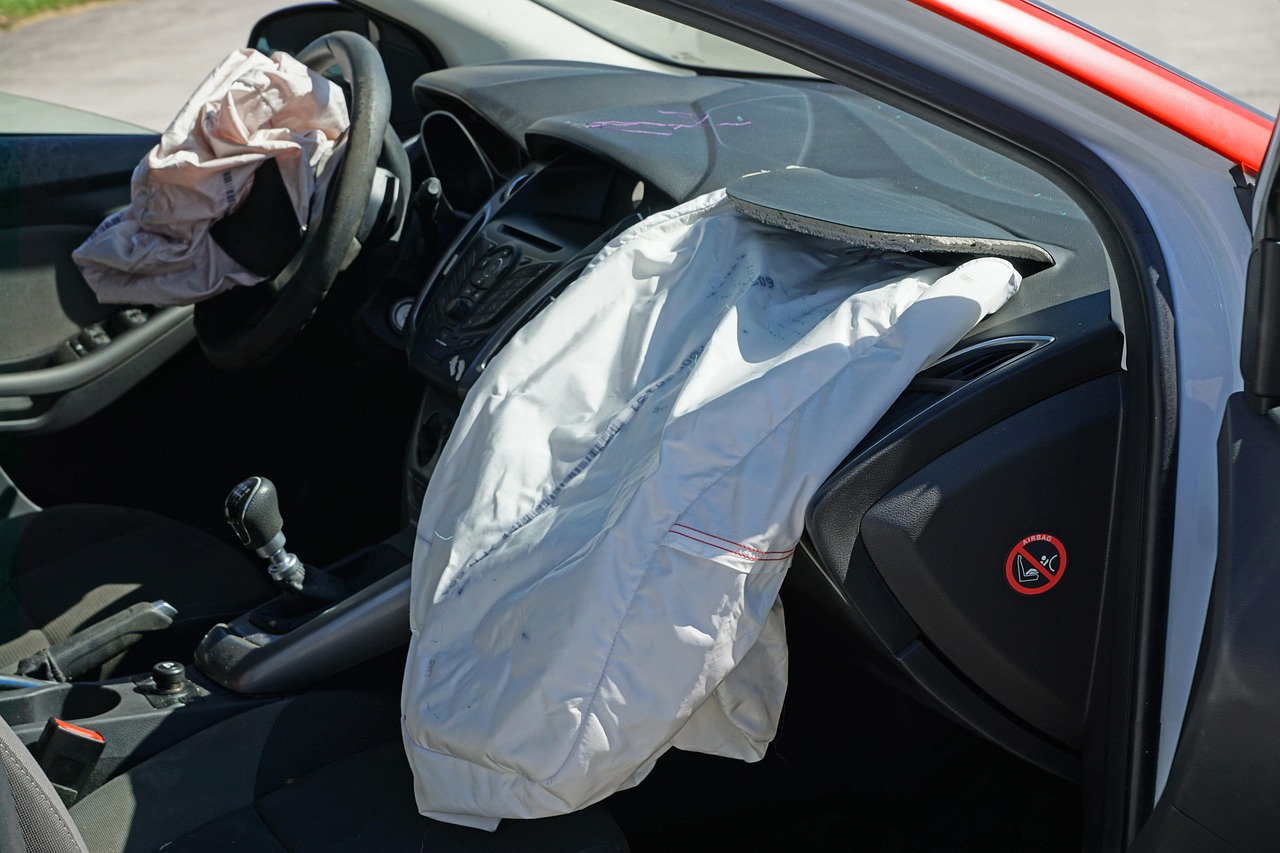
A collision changes the body and the day at once. Adrenaline can hide pain, cloud judgment, and push people into choices that hurt them later. Early actions matter because emergency notes, scene images, and witness accounts often become the strongest proof after injury. Clear, steady steps help protect health, preserve facts, and reduce disputes over fault, treatment, lost income, vehicle damage, and other costs tied to the event.
Secure Safety First
Immediate safety comes before any paperwork. Drivers who can move should pull out of traffic, switch on hazard lights, and check each passenger for bleeding, dizziness, chest pressure, or confusion. During an auto crash, attention often shifts to broken metal, yet the greater risk may be concussion, spinal strain, or internal trauma that appears minutes later. A safer position also lowers the chance of a second impact.
Call Police and Medics
Police create an early record that carries weight later. Officers note road surface, lane position, debris, weather, visible damage, and statements from those present. Paramedics can assess breathing, pupil response, pulse, and pain patterns that seem minor at first glance. Even a slow collision may cause head injury or soft tissue damage. Prompt reporting also limits later arguments about timing, identity, or source of symptoms.
Document the Scene
Images preserve facts when memory starts to blur. Useful photos include plate numbers, vehicle corners, broken glass, skid marks, traffic controls, shoulder width, and the larger roadway. Short video clips can show spacing and direction more clearly than still frames. Witness contact details matter as well. Independent recollection may support the sequence if another driver changes the story or an insurer questions what happened.
Exchange Key Details
Only essential information should be shared. That includes names, phone numbers, addresses, license details, insurance data, and registration information. Roadside debate rarely helps anyone. Fault should stay out of the conversation because a polite apology may later be framed as an admission. If tempers rise, brief and civil contact is safest, and waiting for officers nearby can prevent a tense exchange from getting worse.
Get Medical Care Fast
Same-day evaluation protects both health and the record. Neck strain, concussion, abdominal bleeding, and joint injury may not produce full symptoms during the first hour. A clinician can connect complaints to the collision, order imaging if needed, and start treatment before swelling or stiffness increases. Delay gives insurers room to question causation. Follow-up visits also show whether pain, weakness, headaches, or sleep disruption continue.
Report the Crash Carefully
The insurance notice should happen soon, but accuracy matters more than speed. Basic facts, time, place, vehicles, and known injuries are enough during the first report. Guesswork can create problems that linger for months. If something remains unclear, saying that plainly is safer than filling gaps. Recorded statements deserve caution.
Adjusters often ask wide questions that invite estimates. A rushed answer can distort the file long before treatment ends.
Preserve Every Record
A sound claim depends on organized proof. Helpful records include towing bills, repair estimates, rental charges, emergency notes, imaging results, prescriptions, therapy logs, and wage statements showing missed time. A single folder, digital or paper, can prevent missing pieces later. Daily notes also help. Brief entries about pain level, sleep loss, lifting limits, driving trouble, or missed family tasks can show how the injury affects ordinary life.
Avoid Common Post-Crash Errors
Post-collision mistakes often seem harmless at first. Social media posts can be misread, especially when a photo shows smiling faces despite pain later that night. Repairing a car before full documentation may erase useful evidence. Skipped appointments can weaken the medical record. Damaged items should stay preserved when possible. Child seats, helmets, glasses, and phones may help show force, angle, and property loss.
Watch the Legal Clock
Deadlines can cut off the right to sue, and those limits differ by state and claim type. In New Mexico, an injured person generally has three years to file a personal injury lawsuit after a car accident. Some matters move faster, especially claims tied to public entities or unusual facts. Early legal review helps preserve records, identify filing dates, value losses, and avoid last-minute pressure when memories have faded.
Conclusion
The strongest post-crash response is calm, prompt, and well-documented. Safety checks, medical care, police involvement, careful reporting, and organized records each protect recovery and legal rights. No one needs dramatic action after a wreck; consistent action matters far more. When families preserve facts early, they stand on firmer ground during insurance talks or court proceedings. That approach supports fair payment, clear accountability, and greater peace during a stressful period.
Where the legal industry reads first.
Enjoyed this article? Get the biggest legal industry updates, deals, appointments, insights and expert interviews in your inbox, free.
No spam. Unsubscribe anytime.From Legal Desire
Is your firm the one being cited, or the one being skipped?
We ran the test. On several everyday legal questions, software companies are answering and law firms are not. We help firms fix that, and we build the technology behind the practice.
Lawyers and firms: get featured on Legal Desire
Share your deals, lateral moves, firm news and insights with 1M+ monthly readers: founders, law firm partners, general counsel and practising lawyers across the US, UK, EU and GCC.
Get featuredSubmit a press release