
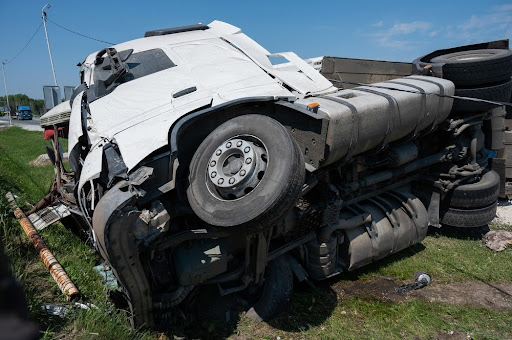
A collision with a massive commercial semi-truck throws your entire world into immediate chaos. In a matter of seconds, you face severe physical pain, mounting medical bills, and intense mental stress. Because semi-trucks can weigh up to 80,000 pounds, the physical destruction they leave behind is often catastrophic compared to a standard fender-bender between passenger cars.
While you focus on resting and recovering, the trucking corporation and its insurance company go straight to work. They deploy specialized rapid-response teams to the accident scene within hours to gather physical evidence and build a defense strategy designed to minimize your payout. Making a wrong move during this sensitive window can permanently destroy your right to financial recovery. Recognizing the most common mistakes to avoid after a truck accident helps you protect your physical health and your legal rights.
Immediate Action Guide for Crash Survivors
| Post-Accident Window | Critical Step to Take | Widespread Trap to Escape |
| At the Scene | Call emergency services and request an official police report | Accepting a casual cash offer from the driver to skip police |
| First 48 Hours | Get a comprehensive medical evaluation at an emergency room | Waiting for symptoms to clear up before consulting a physician |
| First 72 Hours | Secure physical photographs of truck details and local skid marks | Relying entirely on the trucking company to preserve data logs |
| First Week | Redirect corporate insurance adjusters to your legal counsel | Giving a recorded phone statement about your physical injuries |
1. Skipping an Immediate Medical Evaluation
Adrenaline is a powerful biological chemical. After a violent highway collision, your body floods your system with it, completely masking severe pain signals. You might walk away from a smashed vehicle believing you only suffered a few minor bruises, only to wake up three days later with debilitating neck pain, internal bleeding, or an undiagnosed concussion.
Waiting to see a doctor is a massive error. When you delay medical care, the trucking firm’s defense adjusters look at the timeline gap and claim your injuries did not happen during the highway crash. They will argue that something else caused your physical pain during those unmonitored days. Visiting an emergency room or an urgent care clinic immediately establishes a definitive, timestamped paper trail linking your medical state directly to the impact.
Establishing clear, legally binding timelines is a crucial rule for safeguarding your long-term future in many areas of law; for example, if you are looking to secure your assets and protect your family’s future legacy through proper planning rather than crisis management, consulting a Wills and estates lawyer Mississauga ensures your wishes are definitively documented and protected.
2. Giving a Recorded Statement to the Trucking Company’s Insurance Adjuster
Within days of the event, a friendly insurance representative from the commercial carrier will likely call your phone. They often sound deeply sympathetic, asking how you feel and offering to settle your property damage quickly. This conversation is not a casual check-in; it is a calculated information-gathering exercise.
The adjuster wants to catch you on a recorded line before you speak to a legal professional. They will ask leading questions to get you to admit partial fault or downplay your physical suffering. If you tell them you are “feeling fine” out of simple politeness, that recorded sentence will be used in court months later to tank the financial value of your lawsuit. Politely refuse to discuss the details of the crash until you have an advocate by your side.
Comparison: Standard Car Accident Claims vs. Commercial Truck Claims
| Case Characteristic | Standard Passenger Vehicle Collision | Commercial Semi-Truck Crash |
| Primary Defendant | An individual driver | Multiple corporate layers (carrier, broker, owner) |
| Regulatory Systems | Basic state vehicle codes | Complex federal motor carrier safety regulations |
| Insurance Policy Scale | Minimum consumer liabilities ($15,000 to $50,000) | Commercial corporate policies are worth millions |
| Evidence Types | Police notes and basic photos | Black box telemetry, digital logging devices, and maintenance history |
3. Waiting Too Long to Preserve Digital Evidence
Passenger vehicles hold basic data, but commercial tractor-trailers are filled with electronic monitoring tools. They carry event data recorders (black boxes) that track exact travel speeds, brake deployment patterns, and steering wheel movements in the seconds leading up to a crash. They also use electronic logging devices (ELDs) that track how many consecutive hours a driver is behind the wheel without rest.
This electronic data can prove corporate negligence by showing whether a driver was severely fatigued or speeding to meet a tight delivery deadline. However, federal laws allow trucking firms to overwrite or clear these electronic files after a set period. If you wait months to take action, that vital proof can vanish completely. You must send a formal spoliation letter to the carrier right away to legally freeze their records.
4. Failing to Gather the Proper Identification Details at the Scene
When two normal passenger cars collide, exchanging standard driver’s licenses and basic insurance cards is enough. In the commercial shipping world, tracking down the responsible party is much harder. The driver might work as an independent contractor, the physical trailer might belong to a logistics broker, and the tractor cab could be leased from a third-party corporation.
5. Accepting a Quick, Lowball Settlement Offer
When a trucking company knows their driver caused a severe wreck, they often try to make the problem go away quickly. They might offer you a lump-sum check within two weeks of the incident, provided you sign a release form waiving your right to sue.
This fast money can look highly tempting when your car is sitting in a repair shop and you are missing work shifts. Accepting it is almost always a financial disaster. Early settlement offers represent a tiny fraction of what a claim is worth. Once you sign that paper, you can never ask for another dollar, even if you find out later that you need a permanent spinal surgery that costs tens of thousands of dollars. Never sign a release until your medical treatment is finished and you understand your total recovery costs.
Simple Habits for Your Coming Week
If you or a family member was recently involved in a collision with a commercial vehicle, stop managing the fallout alone. This week, create a dedicated physical folder to hold all documents related to the event. Put your hospital intake forms, towing bills, and police contact sheets in one safe spot. If an insurance agent calls you to request an interview or a signature on a form, instruct them to submit their request in a formal letter and mail it to you, giving you time to review it with an experienced professional. Meeting with a qualified team like Gill and Alter Law Firm ensures your wishes are definitively documented and protected.
Frequently Asked Questions
- Who can be held responsible for a commercial truck accident?
Blame is rarely limited to the person sitting in the driver’s seat. Depending on the facts, you can sue the shipping company for forcing unsafe driving hours, the cargo company for poorly balancing a trailer, or the mechanics if a mechanical brake failure caused the collision.
- How long do I have to file a truck accident lawsuit in California?
In California, the standard statute of limitations for personal injury lawsuits is two years from the calendar date of the crash. However, if the truck belonged to a local government agency or city utility fleet, you must file a formal administrative claim within six months.
- What if the police report says the truck accident was my fault?
Do not panic or give up on your case. Police officers do the best they can at a chaotic scene, but they lack access to the truck’s internal black box data or advanced accident reconstruction tools. An independent investigation can often overturn a faulty initial police report.
Where the legal industry reads first.
Enjoyed this article? Get the biggest legal industry updates, deals, appointments, insights and expert interviews in your inbox, free.
No spam. Unsubscribe anytime.From Legal Desire
Is your firm the one being cited, or the one being skipped?
We ran the test. On several everyday legal questions, software companies are answering and law firms are not. We help firms fix that, and we build the technology behind the practice.
Lawyers and firms: get featured on Legal Desire
Share your deals, lateral moves, firm news and insights with 1M+ monthly readers: founders, law firm partners, general counsel and practising lawyers across the US, UK, EU and GCC.
Get featuredSubmit a press release