

Cuffs on, car door slams, and your brain goes blank. Now what?
Most people imagine two things, the arrest and then a courtroom, with a straight line between them. There’s no straight line. There’s a messy stretch in the middle, usually 24 to 72 hours of it, and what you do in there can bend the whole case one way or the other before you’ve even seen a judge. The people who know the steps going in don’t hand the prosecution free points. The people who don’t, usually do.
So here’s the actual sequence, arrest to that first time you’re standing in front of a judge. It shifts some by state and by whether you’re charged with a misdemeanor or a felony, but the bones are the same.
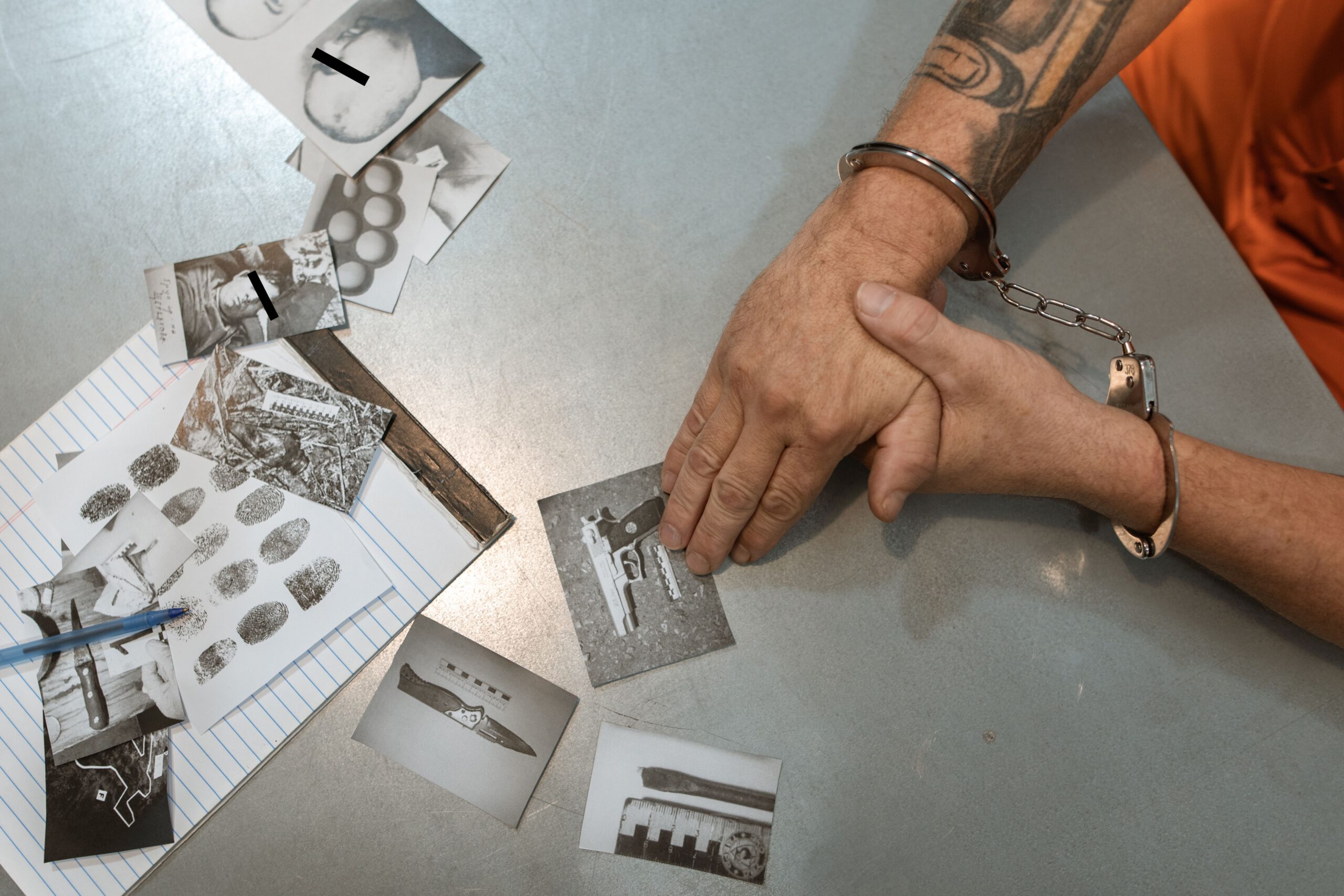
First stop is booking. Station or county jail, and it’s slow and procedural. They log your name and the alleged offense, roll your fingerprints, take the photo, search you, and bag up your property to hand back whenever you’re released. They also run a background check that pulls your record and hunts for outstanding warrants, and if a warrant from some other county pops up, your night just got a lot longer. The whole thing might take two hours. Might take a lot more if it’s a busy night and you’re one of fifteen people they dragged in.
Then a holding cell. The waiting starts here. And this is also where people make their first real mistake, which is opening their mouth.
Shut up. Seriously.
The one thing to burn into your head about this whole stretch: anything you say can be used against you, and the cops are allowed to ask you questions. You have the right to stay quiet and the right to a lawyer. Use both. Not one. Both.
And here’s a thing people get wrong, they don’t have to read you your rights the second the cuffs go on. Miranda only has to come before a custodial interrogation if they want your answers to hold up in court. So officers will strike up something that feels like a normal conversation, and people talk, because silence feels rude, or because they figure if they just explain it’ll all get cleared up. It almost never gets cleared up. It gets written down.
Say one thing and then stop. “I’m invoking my right to remain silent and I want a lawyer.” That’s it. Once you ask for the lawyer, the questioning is supposed to stop. Don’t give your side. Don’t argue about whether the arrest was fair. Don’t answer where you were or who you were with. A flat “I want to speak to a lawyer” does more for you than any story you think you’ve got.
You also get to reach the outside, usually a phone call after booking. The smart call is a lawyer, or family who can go find you one. But assume that line is recorded, because except for calls to your attorney, jail phones get recorded as a matter of course and end up as evidence. So tell your family three things: you were arrested, here’s where you’re being held, you need a lawyer. That’s the call. Keep the facts of the case out of it entirely.
Getting a Rockford criminal defense lawyer in at this point changes what happens next, genuinely. They can call the jail, tell you what to do before any more questioning, start digging into the charge, and get ready for the bail hearing so you’re not walking in blind. A lot of defense firms pick up at 3 a.m. precisely because these early calls matter this much. The gap between somebody who’s got a lawyer and somebody who doesn’t tends to show up well before the first court date.
An arrest isn’t a charge
People mix these up constantly. The cops arrest you and write their report, and then a prosecutor looks at the whole thing and decides what to actually file. They are not stuck with whatever the officer scribbled on the arrest paperwork.
The prosecutor can file what the police suggested, or file something lesser, or pile on more, or look at thin evidence and decline to file at all. Sometimes this happens fast, before your first appearance. Sometimes it drags, especially on a complicated case. And in some places a felony needs a grand jury indictment or a preliminary hearing before anything moves forward, which is one more step stacked on.
If you want the lay of the land here, this overview of what criminal law is and why it matters breaks down how criminal law is built, how offenses get sorted, and how the state is the one carrying the burden of proof. That last part is worth sitting with. The government has to prove its case. An arrest is just the opening, not the verdict, and remembering that takes some of the air out of the early panic.
Getting out before court
While the charging decision is churning, the other question is whether you go home or stay put. Few ways that shakes out, depending on the offense and where you are.
Minor stuff, you might get released on your own recognizance, which just means you sign a promise to show up to court and walk out without paying a dime. Or you post bail off a schedule for common offenses, so you’re not waiting on a judge at all. Some places run a bail schedule that just lists standard amounts, a set number for a particular misdemeanor and so on.
Serious charges are different. Now a judge sets bail at a hearing, weighing how bad the offense is, your record, your ties to the area, whether you look like a flight risk or a danger. The numbers swing wildly, a few hundred bucks for some low-level misdemeanor up to tens of thousands or way more for a serious felony. Can’t cover the full amount? A bail bond company posts it for you and keeps a nonrefundable fee, usually around 10 percent. You’re not getting that back.
Having a lawyer at that bail hearing can drag the number down or get you out on recognizance. They argue your job, your family, your roots, the fact that you’re not running anywhere, and judges actually weigh that stuff when somebody bothers to lay it out. Nobody there to make the argument, nobody makes it.
The first time in front of the judge
That first appearance usually goes by arraignment or initial appearance, and in a lot of places it has to happen inside 48 to 72 hours of the arrest, with weekends and holidays sometimes not counting. It’s quick. But a few things that matter all happen at once.
The judge tells you the exact charges that got filed. You’re read your rights, including the right to a lawyer, and if you can’t afford one the court deals with appointing a public defender. And the judge handles bail if it isn’t set yet, which is the whole reason you want somebody standing next to you at this point.
You also enter a plea. Guilty, not guilty, no contest. And here’s the one, do not plead guilty at the arraignment before you’ve talked to a lawyer. Almost never the right move. Pleading not guilty here is completely standard and it keeps everything open. It’s not some grand declaration of innocence, it just means you’re not folding before your lawyer has even seen what the state’s got. Plead guilty right here and the case is over, conviction locked in, before anybody checked whether they could actually prove it. Don’t do that.
A few things that’ll save you in that window
Stay quiet about the facts with everybody who isn’t your lawyer. Cops, sure, but also cellmates and family on those recorded lines. People have talked themselves straight into a conviction by venting to exactly the wrong person.
Write down everything you remember the second you can. Time of the stop, what the officers said, whether they read you your rights, who was there, what they searched. This stuff evaporates fast and it can matter a ton if your lawyer ends up challenging how the evidence got collected.
Don’t consent to searches and don’t sign anything you don’t understand. Cops ask to go through your phone or your car, you’re allowed to say no. Don’t fight them physically, obviously. Just say no, clearly.
And line up a lawyer before the arraignment if there’s any way to do it. Walking in with representation changes how the bail and the plea go, full stop. Can’t afford private counsel, the court will sort out a public defender, but having someone look at your situation ahead of time beats facing the judge cold every single time.
The stretch between the arrest and that first court date feels like chaos, and that’s exactly when the careful moves pay off most. Keep quiet about the facts, protect your right to a lawyer, spend that phone call well, and don’t plead guilty before a single person has looked at the evidence. The arrest starts this. It doesn’t decide it. What you do in these first few days has a real say in where the rest of it goes.
Author: Irma C. Dengler

With a BA in communications and paralegal experience, Irma Dengler decided to make the best of her writing skills. She decided to turn complicated legal matters into something more palatable for the masses. Therefore, Irma became a law communicator who writes about everyday problems so everyone can understand them and take the appropriate action. She specializes in personal injury cases, as they are more common than anyone thinks, but her areas of expertise also include civil law, criminal law, insurance-related issues, and more.
Where the legal industry reads first.
Enjoyed this article? Get the biggest legal industry updates, deals, appointments, insights and expert interviews in your inbox, free.
No spam. Unsubscribe anytime.From Legal Desire
Is your firm the one being cited, or the one being skipped?
We ran the test. On several everyday legal questions, software companies are answering and law firms are not. We help firms fix that, and we build the technology behind the practice.
Lawyers and firms: get featured on Legal Desire
Share your deals, lateral moves, firm news and insights with 1M+ monthly readers: founders, law firm partners, general counsel and practising lawyers across the US, UK, EU and GCC.
Get featuredSubmit a press release