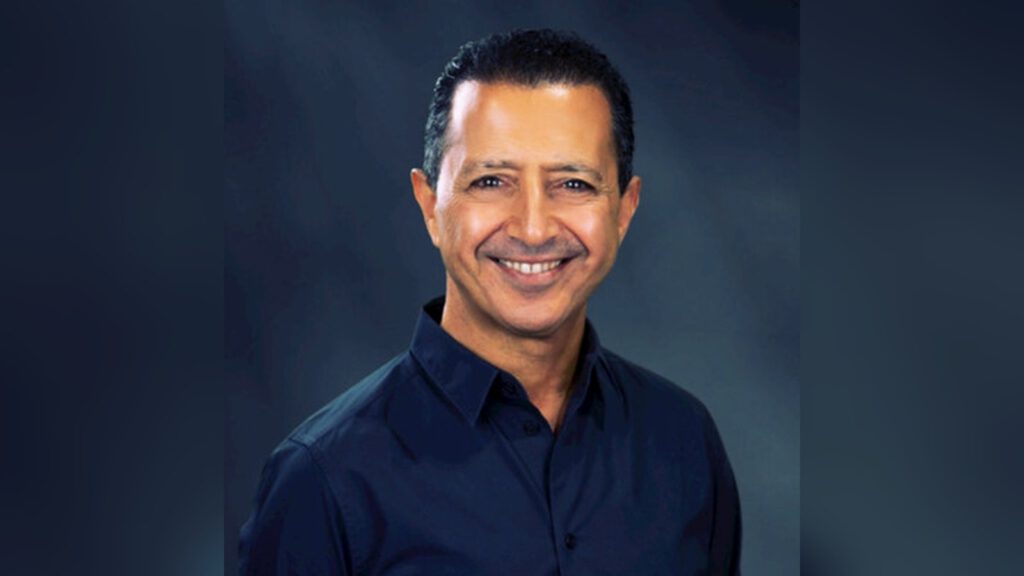



Ask any working paralegal what their training left out and you will hear the same answer: the textbook taught the law, but not what to do when a real file lands on your desk. Linda McGrath-Cruz has spent her career closing that gap.
A litigation paralegal for more than 28 years, Linda is the founder of Perfectly Paralegal, a continuing education and resource platform that began in 2010 as a simple email newsletter and has grown into one of the largest online paralegal communities, complete with its own job board. She is also a full-time faculty member and Paralegal Studies Program Coordinator at St. Johns River State College in Florida, and the founder of the annual Paralegal Cruise.
Remote paralegal work is one of the most searched and most misunderstood corners of the legal job market. Listings promise work from home, but many turn out to be hybrid, and some are outright scams. Legal Desire spoke with Linda about how Perfectly Paralegal started, which remote roles are genuinely remote, how to spot a fake listing, and what it really takes to get hired and thrive in a remote paralegal job.
The conversation has been lightly edited for length and clarity.
- How did Perfectly Paralegal start, and what gap were you seeing in paralegal training at the time?
Perfectly Paralegal actually started in 2010 as a simple email newsletter called Linda’s Paralegal Resources. I wanted to share affordable educational opportunities, job listings, and useful resources with other paralegals. But I also saw a much bigger need in our profession.
As a working paralegal and then as a paralegal educator, I watched new paralegals graduate with solid textbook knowledge and freeze the first time a real file landed on their desk. The textbooks teach the law. They do not teach you how to talk to a difficult attorney, how to organize a messy discovery production, or what to do when a deadline is tomorrow, and the file is a disaster.
I built Perfectly Paralegal to be the bridge between the classroom and the real office: practical, experience-based training taught by someone who has actually done the work.
Over time, what started as a newsletter grew into a continuing education platform and a thriving professional community. Today, our Perfectly Paralegal Facebook community and dedicated job board bring legal professionals together to share advice, discover opportunities, ask questions, and support one another.
The mission hasn’t changed: helping paralegals succeed in the real world, not just understand the material in a textbook.
- Which remote paralegal roles are genuinely remote, and which are hybrid jobs being advertised as remote?
First, genuinely remote paralegal jobs absolutely exist. I’ve worked remotely as a litigation paralegal myself, and I can tell you firsthand that you don’t need to physically sit in a law office to manage complex litigation or keep cases moving.
Many of the strongest opportunities involve work that can be performed electronically, including litigation support, eDiscovery, legal research and writing, document review, medical records analysis, contract management, and corporate legal work.
But here’s where job seekers need to be careful. Just because a position is advertised as remote doesn’t necessarily mean you can work entirely from home.
I’ve seen postings labeled “remote” that require employees to live within commuting distance, appear in the office regularly, or attend mandatory in-person meetings. That’s hybrid, regardless of what the headline says.
My advice is to ask specific questions before accepting an offer. How many days per month will I physically need to report somewhere? Is the arrangement permanent? Are there geographic restrictions?
- How do the scam listings actually work? What does a fake remote paralegal posting look like once you know what to look for?
Unfortunately, scammers know how desirable remote paralegal positions are, and they’re taking advantage of people who are eager to find them.
The classic scam starts with a posting that looks almost too good to be true. High salary, fully remote, flexible hours, little experience required, and an immediate start date. Sometimes they even impersonate legitimate law firms, using their names and logos.
Then comes the interview. Frequently, it’s conducted entirely through text messages or an online chat platform. No meaningful conversation about your qualifications, no opportunity to meet the attorney you’ll supposedly work for, and suddenly you’ve got a job offer!
That’s usually when the real scam begins.
They might ask you to purchase equipment, pay for training, or provide sensitive personal information. Another common scheme involves sending you a check to purchase equipment, asking you to forward money to a vendor, and then the check bounces. You’re left responsible for the money.
My biggest advice is simple: verify the employer independently. Visit the firm’s actual website, find its telephone number, and call to confirm the position exists.
And remember, a professional-looking website or interview doesn’t guarantee legitimacy.
We encourage paralegals to discuss suspicious opportunities in our Perfectly Paralegal community. Sometimes another member recognizes the warning signs before someone becomes a victim.
- What are employers really screening for now when they hire a paralegal to work remotely?
I think the biggest question employers are asking is, “Can I trust this person to get the job done without someone constantly looking over their shoulder?”
The technical skills might get you the interview, but your ability to work independently is often what gets you the offer.
Remote paralegals need to be organized, self-motivated, accountable, and excellent communicators. Attorneys need to know that deadlines will be met, assignments will be completed correctly, and problems will be communicated before they become emergencies.
Technology proficiency matters, too. Employers want people who can confidently navigate case management software, document management systems, eDiscovery platforms, electronic filing, and virtual collaboration tools. AI literacy is becoming increasingly valuable, particularly when accompanied by an understanding of accuracy, confidentiality, and professional responsibility.
But I would argue that the soft skills are equally important.
When you’re working remotely, people can’t simply walk down the hall to check on something. Responsiveness and communication become especially important.
My advice during interviews is to stop telling employers you’re organized and start proving it. Give examples of how you’ve managed competing deadlines, solved problems independently, kept attorneys informed, or improved an existing process.
Employers aren’t just hiring your legal skills. They’re hiring your judgment, reliability, and ability to work without constant supervision.
- Which specialties are hiring, and which have gone quiet over the last year or two?
Litigation continues to be a strong area of opportunity, particularly for paralegals experienced in discovery, case management, and trial preparation. Corporate legal operations, contract management, compliance, intellectual property, and eDiscovery are also worth exploring.
As for what’s gone quiet, I’d be cautious about declaring any entire practice area dead. Hiring fluctuates based on the economy, geographic location, and individual employers.
But here’s something I really want paralegals to understand: Law firms are NOT your only employment option!
Consider insurance companies, banks and financial institutions, hospitals and healthcare systems, pharmaceutical companies, technology companies, real estate and title companies, universities, government agencies, nonprofits, and large corporations across virtually every industry. There are also opportunities with eDiscovery providers, legal technology companies, and alternative legal service providers.
And don’t limit your search to positions titled “paralegal.” Look for titles such as legal operations specialist, litigation specialist, contracts administrator, compliance analyst, or claims specialist. Your paralegal skills may transfer beautifully into these positions, even if the job title is different.
Remote work can also expand your geographic reach, although employers may still impose location restrictions.
My advice is to think beyond traditional law firms and conventional job titles. Your legal education, professional experience, and transferable skills may qualify you for opportunities you’ve never even considered.
- What do paralegals most often get wrong when they apply for remote roles?
One of the biggest mistakes I see is focusing too much on wanting to work remotely and not enough on demonstrating why an employer should hire you.
I completely understand wanting to eliminate a commute, spend more time with family, or have a better work-life balance. Those are perfectly legitimate reasons to pursue remote employment. But they aren’t necessarily reasons an employer should choose you over another qualified applicant.
Another mistake is sending the same generic resume to every employer. Remote positions can attract applicants from a much larger geographic area, so competition can be intense.
Tailor your resume to the position. Highlight relevant practice-area experience, technology proficiency, and examples of responsibilities you’ve handled independently. Your LinkedIn profile should also reflect your professional experience and qualifications.
And please don’t underestimate networking!
I’ve seen paralegals focus exclusively on applying through online job portals while overlooking the opportunities that come through professional relationships, referrals, and community connections.
That’s one reason we maintain a dedicated Perfectly Paralegal Job Board, where legal professionals can share opportunities, connect with others in the profession, and exchange job-search advice.
My advice? Stop thinking exclusively about how many applications you’re submitting and start thinking about how effectively you’re presenting yourself as the right candidate.
- What would you tell someone trying to move from an in-office paralegal job to a remote one this year?
Start preparing before you actually need a new job.
If you’re currently working in an office, take a good look at how you perform your responsibilities. What work do you already handle independently? What technology do you use? How do you communicate with attorneys and manage deadlines?
You may discover that you’re already performing much of your job in a way that translates naturally to a remote position.
Start documenting those skills and accomplishments so you can highlight them on your resume. Make sure your LinkedIn profile is current, connect with recruiters who specialize in legal placements, and get involved in professional communities.
I’d also encourage you to explore opportunities with your current employer. Sometimes negotiating a remote or hybrid arrangement is easier than starting over with a new firm.
And be realistic. Remote work doesn’t automatically mean less work, fewer deadlines, or greater freedom throughout the day. You still need discipline, accountability, and boundaries.
Finally, don’t try to navigate the process alone. Our Perfectly Paralegal community is a great place to ask questions, get advice, and learn from other legal professionals. We also have a dedicated Job Board where members can discover opportunities.
The goal shouldn’t simply be finding a job that lets you work from home. It should be finding a position where you can thrive professionally while enjoying the flexibility you’re looking for.
Perfectly Paralegal Communities
Main Facebook community: https://www.facebook.com/groups/PerfectlyParalegal/
Perfectly Paralegal Job Board: https://www.facebook.com/groups/PerfectlyParalegalJobBoard/
Where the legal industry reads first.
Enjoyed this article? Get the biggest legal industry updates, deals, appointments, insights and expert interviews in your inbox, free.
No spam. Unsubscribe anytime.From Legal Desire
Is your firm the one being cited, or the one being skipped?
We ran the test. On several everyday legal questions, software companies are answering and law firms are not. We help firms fix that, and we build the technology behind the practice.
Lawyers and firms: get featured on Legal Desire
Share your deals, lateral moves, firm news and insights with 1M+ monthly readers: founders, law firm partners, general counsel and practising lawyers across the US, UK, EU and GCC.
Get featuredSubmit a press release