
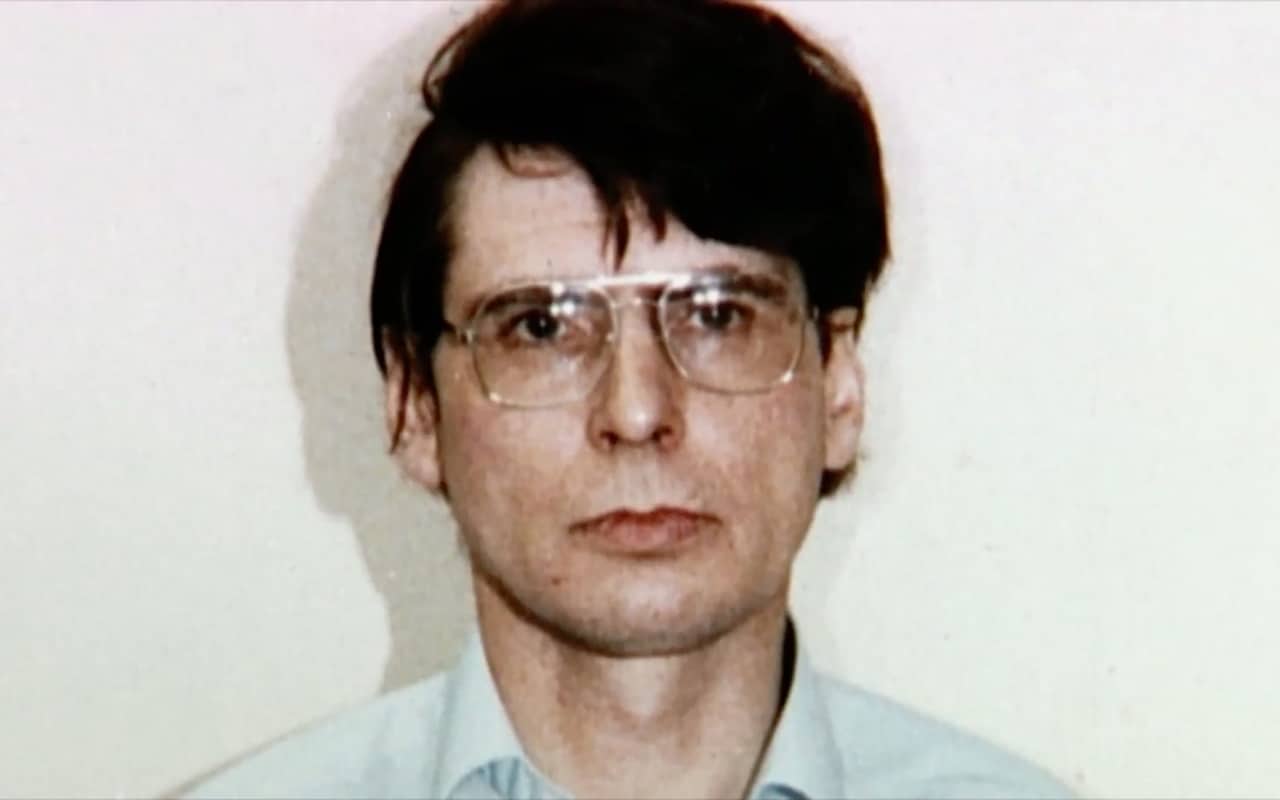
Background
Dennis Andrew Nilsen was a serial killer. He killed men and boys in London between 1978 and 1983. He worked as a servant. He had been in the Army before. He also trained as a police officer for a time. His job seemed normal. He had a pattern of serious violence. He hurt men who were vulnerable. This included people who were homeless or alone. Nilsen lived in places in North London. He had an address in Cricklewood. Later, he lived in Muswell Hill. He was caught in February 1983. Human remains were found in a blocked drain. The drain served his apartment building. This case became one of the most famous serial murder cases in Britain. It was famous because of the number of people who died. It was also because of how the bodies were hidden. The way the crimes were discovered was unusual.
Criminal classification and behavioural profile
Nilsen can be described as a murderer. Nilsen’s crimes included sexual and interpersonal acts, repeated violence and hiding victims’ remains. Nilsen chose victims who were men, socially vulnerable or whose disappearance might not be noticed right away. Nilsen brought victims to his home, giving Nilsen control over the place where crimes happened. Nilsen repeatedly. Disposals of human remains are a distinctive part of this case. From a point of view, Nilsen’s actions show a strong desire to control victims and keep them present in Nilsen’s life. These observations should not be mixed with a formal psychiatric diagnosis or taken as a full explanation of Nilsen’s motives.
Modus operandi (MO)
Nilsen often met his victims in places like pubs and other social spots. He would then invite them to his home. He often targeted young men who appeared to be in difficult circumstances. Once they were in his home, he killed them, commonly by strangulation or drowning, according to accounts of the case. He then. Got rid of the bodies, breaking them up at times and putting the pieces under floorboards or in the garden at houses he lived in before. At his home in Muswell Hill, he tried to throw body parts away through the drain. Even though some patterns appeared again, not every murder followed the steps. Using a house as the main place for the killings was a key part of his crimes.
Crime-scene characteristics
The crime scenes were mainly at Nilsen’s homes, where Nilsen had privacy and could hide evidence for periods. In homes, remains were hidden inside or around the house. At Cranley Gardens, in Muswell Hill, finding tissue and small bones in the drains gave the first big physical clue that started the investigation. The condition of the remains made it hard to identify them and required forensic work. Investigators had to check whether the remains were human, look at injuries and other identifying marks and search the house for remains. This case shows how a simple maintenance issue can uncover evidence of a crime.
Forensic investigation
The big change happened when workers who fix drains were called to look into repeated clogs at Nilsen’s apartment building in February 1983. They found something that looked like tissue and bones in the pipes and told their bosses and the police. A doctor who looks at bodies checked the stuff and said it was human. Investigators then looked at the apartment that was connected to the pipes. Found more human remains inside Nilsen’s house. Checking the remains, along with stuff found at the house and what Nilsen said, showed how bad the crimes were. Investigators also looked at the remains found at NNilsen’splace. The case shows how important forensic pathology is, how careful it is to collect remains and how important it is to search places linked to a person who is suspected of doing something wrong.
Motive and behavioural interpretation
Nilsen’s own accounts and the situations surrounding the crimes show that loneliness, a need for company and a desire to stay in control of the victims were parts of the case. His actions after the murders, like keeping and hiding the bodies, suggest that the connection he thought he had with the victims didn’t stop when they died. Still, it’s important not to say the crimes were because of loneliness. His actions included violence, taking away the victims’ independence and making a lot of effort to hide what he had done. A profile of his behavior can spot repeated actions. It can’t find one single reason that explains every murder.
Breakthrough: How he was caught
The case was discovered on 8 February 1983 when a drainage expert looked into blockages at Cranley Gardens and found something that looked like tissue. The next day, more checking showed human bones and flesh in the drainage system. Police followed the problem to the apartment where Nilsen lived. When officers talked to him on 9 February, he said there were remains in his flat. A search found body parts, and his words helped investigators find evidence and earlier crimes. This was a discovery because the investigation started not with a missing person report or a normal crime scene but with something found during regular plumbing work.
Legal outcome and forensic significance
Nilsen was found guilty in 1983 of six murders and two attempted murders. Was given a life sentence. Police thought he might have killed people, but they could not find every victim or prove every suspected crime. He died in jail in 2018. This case is still very important for criminology. It shows how forensic pathology can identify remains, how systematic searches are useful and how important it is to match physical evidence with statements from suspects. It also shows that crimes against people who live alone can stay hidden until something unexpected brings them to the attention of the police.
Where the legal industry reads first.
Enjoyed this article? Get the biggest legal industry updates, deals, appointments, insights and expert interviews in your inbox, free.
No spam. Unsubscribe anytime.From Legal Desire
Is your firm the one being cited, or the one being skipped?
We ran the test. On several everyday legal questions, software companies are answering and law firms are not. We help firms fix that, and we build the technology behind the practice.
Lawyers and firms: get featured on Legal Desire
Share your deals, lateral moves, firm news and insights with 1M+ monthly readers: founders, law firm partners, general counsel and practising lawyers across the US, UK, EU and GCC.
Get featuredSubmit a press release