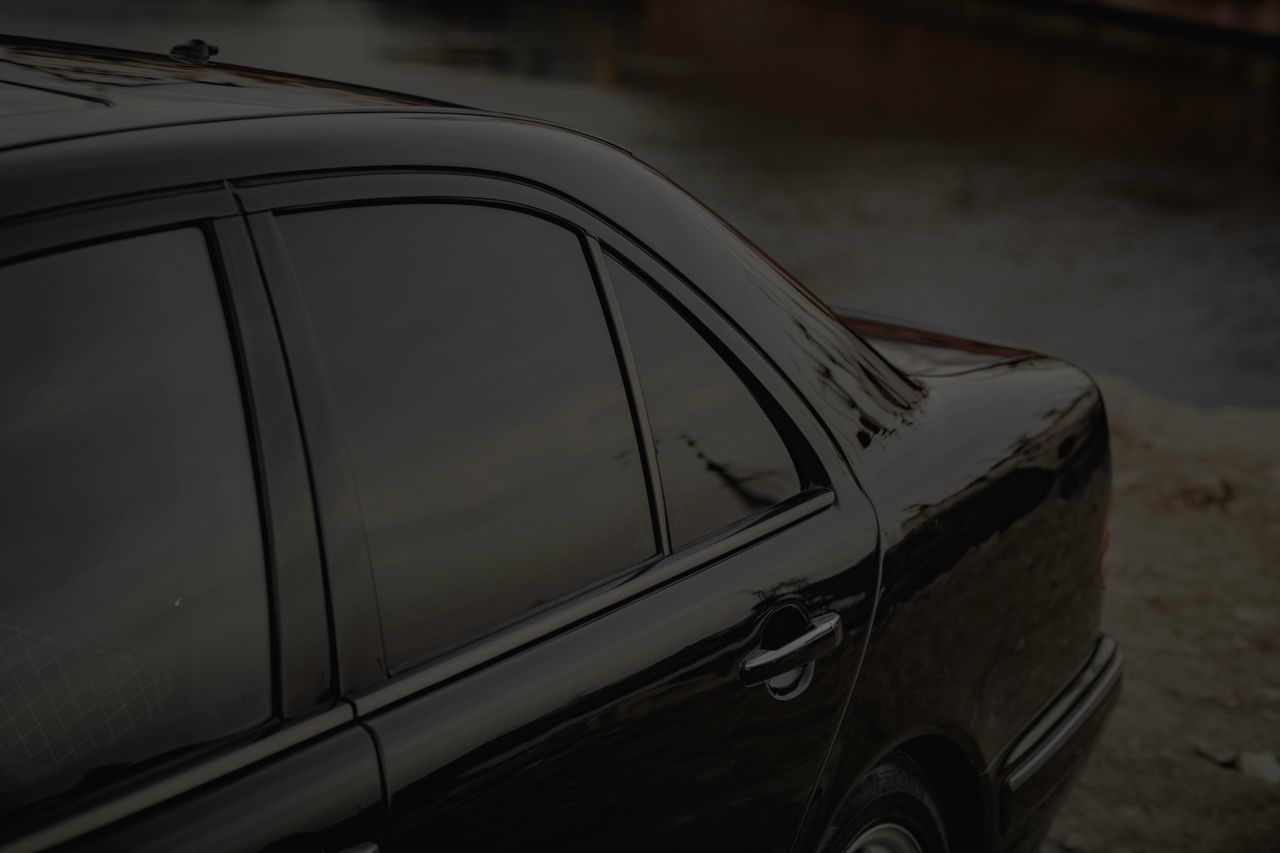
A car clips a pedestrian or sideswipes a parked vehicle, then disappears down the road. No license plate. No clear description. Just a few tiny flecks of paint left behind on the pavement or embedded in the damaged surface. It doesn’t seem like much to go on.
But to a forensic examiner, that fleck can be a surprisingly rich source of information. Modern automotive paint isn’t a single coat of color. It’s a carefully engineered stack of layers, each with its own chemistry, applied in specific ways by manufacturers.
Those layers can sometimes help investigators narrow down what kind of vehicle was involved. It’s not magic, and it rarely solves a case on its own. But it’s a fascinating example of how something tiny can point toward something much bigger.
Why Automotive Paint Can Be Useful Evidence
Factory paint jobs usually include several layers. There’s typically an electrocoat primer for corrosion protection, a primer surfacer, a colored basecoat, and a clear protective topcoat. Each layer serves a specific purpose, and their combination can vary between manufacturers and production periods.
Do police investigate hit and runs using evidence this small? In many serious cases, they can. Paint transferred during a collision may be collected from a victim’s clothing, a damaged vehicle, or debris at the scene, then analyzed by a forensic crime lab.
The value comes from comparison. The pigments, binders, layer thickness, and layer order of a paint chip can be compared against known samples. When those features match a particular manufacturer’s paint system, investigators gain a useful clue about what vehicle they should be looking for.
The Strange Science of Paint Layer Analysis
Forensic examiners start by looking very closely. Under a microscope, a paint chip’s cross-section can reveal the number of layers, their colors, and their thicknesses. That alone may separate an original factory finish from a repainted surface. Details emerge quickly.
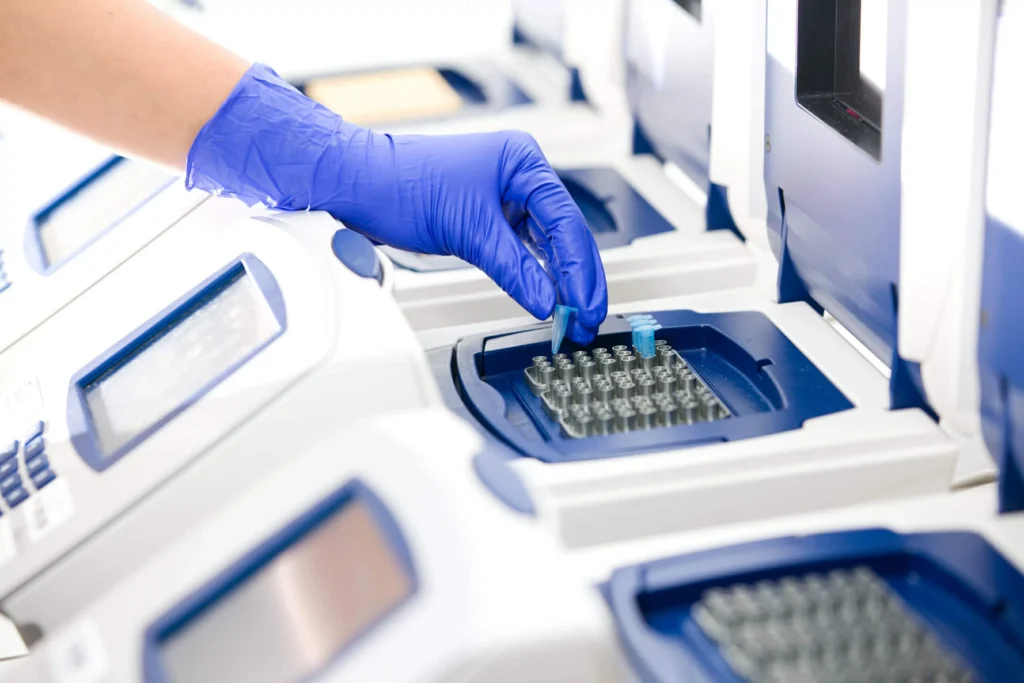
Chemistry adds detail. Techniques like infrared spectroscopy can identify the binders and pigments in each layer. Other instruments may analyze elemental composition. Together, these tests create a chemical fingerprint of the sample, though not one unique to a single car. The chemistry tells a story.
Reference databases can help narrow the possibilities. The Paint Data Query database, developed by the Royal Canadian Mounted Police and used by forensic labs, contains information about original automotive paint systems. Comparing a sample against it may suggest possible manufacturers, models, or production year ranges.
Why One Tiny Clue Usually Isn’t Enough
Paint evidence has very real limits. Many vehicles share the same paint systems, colors, and production methods, sometimes across several models and years. A match may point to thousands of possible cars, not one specific vehicle. Popularity works against investigators.
Repainting and repairs can complicate things further. Aftermarket paint jobs may not match any factory database, and small chips may not include every layer. Contamination, weathering, or tiny sample sizes can also limit what laboratory testing can determine. Time degrades evidence.
That’s why investigators combine paint evidence with other clues. Broken headlight fragments, mirror pieces, trim parts, vehicle damage patterns, surveillance footage, and witness descriptions can all help narrow the search. Each piece reduces the field of possibilities until a likely vehicle begins to emerge from the crowd. Patterns emerge.
How Investigators Connect Physical Evidence to a Vehicle
Once investigators identify a suspected vehicle, they can compare it directly with evidence from the scene. Damage location and height may line up with injuries or debris. Missing pieces of trim or lighting may match fragments found on the road. Physical details must align.
Paint samples from the suspected vehicle can be compared with paint recovered at the scene. A consistent layer structure and chemistry can support the conclusion that the two may share a common source, especially alongside other matching evidence. Consistency builds confidence.
Careful documentation is critical throughout. Evidence has to be photographed, collected carefully, packaged properly, and tracked through a chain of custody. Without careful handling, even strong physical evidence can lose its value in court or be challenged as contaminated or unreliable. Procedure protects the evidence.
Conclusion
A single paint chip may look like nothing more than a speck of color, but its layered structure and chemistry can carry useful information about the vehicle that left it behind. In the right case, it becomes a meaningful lead. Small things can speak.
Still, paint evidence usually narrows possibilities rather than pointing to one exact car. Shared paint systems, repairs, and sample limitations mean investigators rarely rely on it alone. Its real power comes from combining it with debris, footage, and witness accounts. Context is crucial.
That combination can sometimes help identify a vehicle that fled a crash scene. Careful collection, thorough analysis, and patient investigative work turn tiny fragments into pieces of a much larger puzzle, one that may eventually point toward the driver responsible. Patience pays off.
Where the legal industry reads first.
Enjoyed this article? Get the biggest legal industry updates, deals, appointments, insights and expert interviews in your inbox, free.
No spam. Unsubscribe anytime.From Legal Desire
Is your firm the one being cited, or the one being skipped?
We ran the test. On several everyday legal questions, software companies are answering and law firms are not. We help firms fix that, and we build the technology behind the practice.
Lawyers and firms: get featured on Legal Desire
Share your deals, lateral moves, firm news and insights with 1M+ monthly readers: founders, law firm partners, general counsel and practising lawyers across the US, UK, EU and GCC.
Get featuredSubmit a press release