
Navigating the legal process after a car accident can be daunting, especially for those unfamiliar with the intricacies of personal injury law, and having a lawyer protecting your rights can help ensure you are not taken advantage of during the claims process. The legal landscape is filled with terminology and procedures that can be overwhelming. Understanding the basic framework of how the law operates in these situations is crucial for anyone involved in a car accident. The first step typically involves determining fault, which can significantly influence the outcome of any claims made. This process often requires gathering evidence, such as police reports, witness statements, and photographs of the accident scene.
Once fault is established, the next phase involves negotiating with insurance companies or potentially filing a lawsuit if a settlement cannot be reached. Each state has its own laws regarding car accidents, including statutes of limitations that dictate how long you have to file a claim. Familiarizing yourself with these laws is essential to ensure that your rights are protected and that you do not miss critical deadlines. The legal process can be lengthy and complex, but understanding its basic components can help demystify what lies ahead.
Determining Liability in a Car Accident
Determining liability in a car accident is often one of the most contentious aspects of the aftermath. Liability refers to the legal responsibility for the accident and any resulting damages. In many cases, liability is established through negligence, which occurs when one party fails to exercise reasonable care, leading to an accident. Factors such as traffic laws, road conditions, and driver behavior are all taken into account when assessing negligence. For instance, if a driver runs a red light and collides with another vehicle, they are likely to be found liable for the accident.
However, liability can sometimes be shared among multiple parties, leading to complex legal scenarios. In some states, comparative negligence laws allow for damages to be apportioned based on the degree of fault each party holds. This means that if you are found to be partially at fault for the accident, your compensation may be reduced accordingly. Understanding how liability is determined is crucial for anyone involved in a car accident, as it directly impacts the potential for recovery and compensation.
When to Seek Legal Advice
Knowing when to seek legal advice after a car accident can significantly influence the outcome of your case. If you have sustained injuries or significant property damage, it is advisable to consult with a personal injury lawyer as soon as possible. An attorney can provide valuable insights into your rights and help you navigate the complexities of the legal system. Additionally, if there are disputes regarding liability or if the insurance company is unwilling to negotiate fairly, legal representation becomes even more critical.
In some cases, individuals may feel hesitant to seek legal advice due to concerns about costs or the belief that their case is straightforward. However, even seemingly simple cases can become complicated quickly, especially when dealing with insurance companies or multiple parties involved in the accident. A lawyer can help ensure that you are not taken advantage of during negotiations and that you receive fair compensation for your injuries and damages.
Steps to Take After a Car Accident
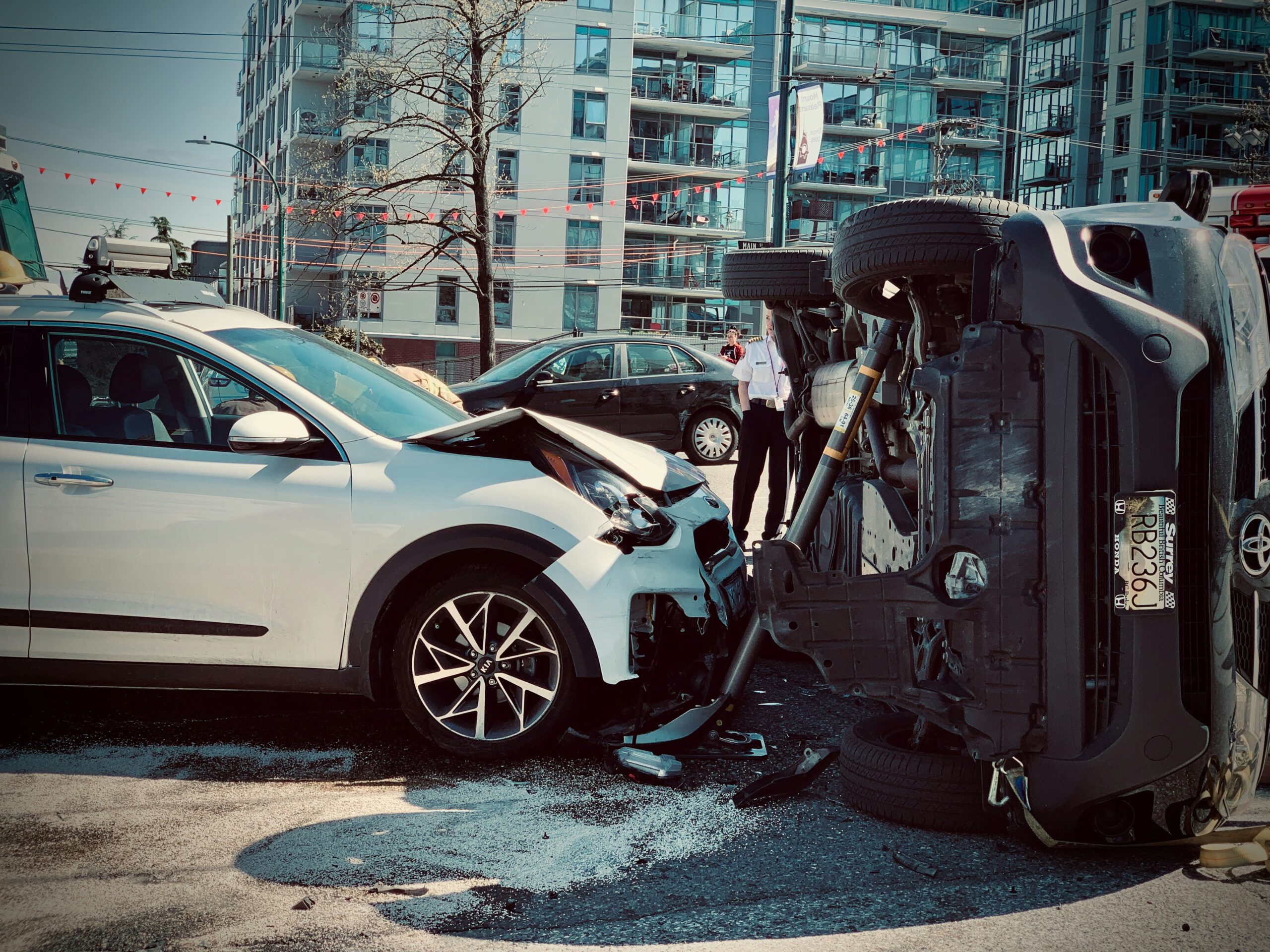
Taking the right steps immediately following a car accident can significantly impact your ability to recover damages later on. First and foremost, ensure that everyone involved is safe and call emergency services if necessary. Once medical needs are addressed, it’s important to document the scene thoroughly. This includes taking photographs of vehicle damage, road conditions, and any visible injuries. Gathering contact information from witnesses can also be beneficial in establishing liability later on.
After ensuring that all immediate concerns are addressed, you should report the accident to your insurance company as soon as possible. Be cautious about what you say during this conversation; stick to the facts without admitting fault or speculating about what happened. Additionally, keep records of all communications related to the accident, including medical bills and repair estimates. These documents will be invaluable if you decide to pursue a claim or lawsuit down the line.
Dealing with Insurance Companies
Dealing with insurance companies can be one of the most challenging aspects of recovering from a car accident. Insurance adjusters are trained to minimize payouts and may employ various tactics to achieve this goal. It’s essential to approach these interactions with caution and awareness. When speaking with an adjuster, provide only factual information about the accident without volunteering unnecessary details that could be used against you later.
Understanding your policy coverage is also crucial when dealing with insurance companies. Familiarize yourself with terms like liability coverage, collision coverage, and uninsured motorist coverage so you know what you are entitled to claim. If negotiations become contentious or if you feel that your claim is being unfairly denied, it may be time to consult with a personal injury lawyer who can advocate on your behalf and help ensure that you receive fair compensation.
The Role of a Personal Injury Lawyer
A personal injury lawyer plays a vital role in guiding individuals through the complexities of legal proceedings following a car accident, and consulting with a Premier Law Group car Accident lawyer in Bellevue can help ensure your case is handled strategically from the start. Their expertise allows them to assess the merits of your case and provide strategic advice on how best to proceed. From gathering evidence and negotiating with insurance companies to representing you in court if necessary, a personal injury lawyer serves as your advocate throughout the entire process.
Moreover, having legal representation can significantly increase your chances of receiving fair compensation for your injuries and damages. Lawyers understand the nuances of personal injury law and can leverage their knowledge to build a strong case on your behalf. They can also help you navigate any potential pitfalls that may arise during negotiations or litigation, ensuring that your rights are protected every step of the way.
Filing a Lawsuit for Damages
If negotiations with insurance companies fail to yield satisfactory results, filing a lawsuit may become necessary. This process begins with drafting a complaint that outlines your case against the at-fault party and specifies the damages you are seeking. Once filed, the defendant will have an opportunity to respond, which may lead to further negotiations or discovery processes where both parties exchange evidence.
Filing a lawsuit can be a lengthy process that requires patience and perseverance. It’s essential to work closely with your attorney during this phase to ensure that all procedural requirements are met and that your case is presented effectively in court. While many cases settle before reaching trial, being prepared for litigation is crucial in case it becomes necessary to pursue your claim through this avenue.
Recovering Compensation for Medical Expenses
One of the primary goals after a car accident is recovering compensation for medical expenses incurred due to injuries sustained in the incident. Medical bills can quickly accumulate, encompassing everything from emergency room visits and surgeries to ongoing rehabilitation and therapy sessions. Documenting all medical expenses meticulously is essential for substantiating your claim.
In many cases, compensation for medical expenses can be pursued through either insurance claims or direct lawsuits against the at-fault party. Your attorney will help determine which route is most appropriate based on the specifics of your case and will work diligently to ensure that all medical costs are accounted for in any settlement negotiations or court proceedings.
Seeking Punitive Damages
In certain circumstances, it may be possible to seek punitive damages in addition to compensatory damages following a car accident. Punitive damages are intended to punish particularly egregious behavior by the at-fault party and deter similar conduct in the future. These damages are not awarded in every case; they typically require evidence of gross negligence or intentional misconduct.
For example, if a driver was under the influence of alcohol at the time of the accident or engaged in reckless driving behavior, punitive damages may be pursued as part of your claim. Your attorney will assess whether your case meets the criteria for seeking punitive damages and will guide you through the process if it is deemed appropriate.
The Importance of Evidence in Legal Action
Evidence plays a critical role in any legal action following a car accident. The strength of your case often hinges on the quality and quantity of evidence collected during and after the incident. This includes photographs from the scene, witness statements, police reports, medical records, and any other documentation that supports your claims regarding liability and damages.
Working closely with your attorney to gather and preserve evidence is essential for building a compelling case. In many instances, evidence can make or break a claim; therefore, ensuring that all relevant information is collected promptly can significantly enhance your chances of achieving a favorable outcome.
Navigating the Court System
Navigating the court system can be intimidating for those unfamiliar with legal proceedings following a car accident. Understanding how courts operate and what to expect during each phase of litigation is crucial for anyone pursuing a claim. This includes being aware of timelines for filing documents, attending hearings, and potentially going to trial.
Your attorney will play an instrumental role in guiding you through this process, ensuring that all necessary paperwork is filed correctly and on time while preparing you for any court appearances or depositions that may arise. While litigation can be complex and time-consuming, having knowledgeable legal representation can help alleviate some of the stress associated with navigating the court system.
In conclusion, understanding the legal process following a car accident is essential for anyone involved in such incidents. From determining liability and dealing with insurance companies to seeking legal advice and navigating court proceedings, each step plays a crucial role in achieving fair compensation for injuries and damages sustained. By being informed and working closely with experienced legal professionals, individuals can better protect their rights and pursue justice effectively.
About the author: Irma C. Dengler

With a BA in communications and paralegal experience, Irma C. Dengler decided to make the best of her writing skills. She decided to turn complicated legal matters into something more palatable for the masses. Therefore, Irma became a law communicator who writes about everyday problems so everyone can understand them and take the appropriate action. She specializes in personal injury cases, as they are more common than anyone thinks, but her areas of expertise also include civil law, criminal law, insurance-related issues, and more.
Where the legal industry reads first.
Enjoyed this article? Get the biggest legal industry updates, deals, appointments, insights and expert interviews in your inbox, free.
No spam. Unsubscribe anytime.From Legal Desire
Is your firm the one being cited, or the one being skipped?
We ran the test. On several everyday legal questions, software companies are answering and law firms are not. We help firms fix that, and we build the technology behind the practice.
Lawyers and firms: get featured on Legal Desire
Share your deals, lateral moves, firm news and insights with 1M+ monthly readers: founders, law firm partners, general counsel and practising lawyers across the US, UK, EU and GCC.
Get featuredSubmit a press release