

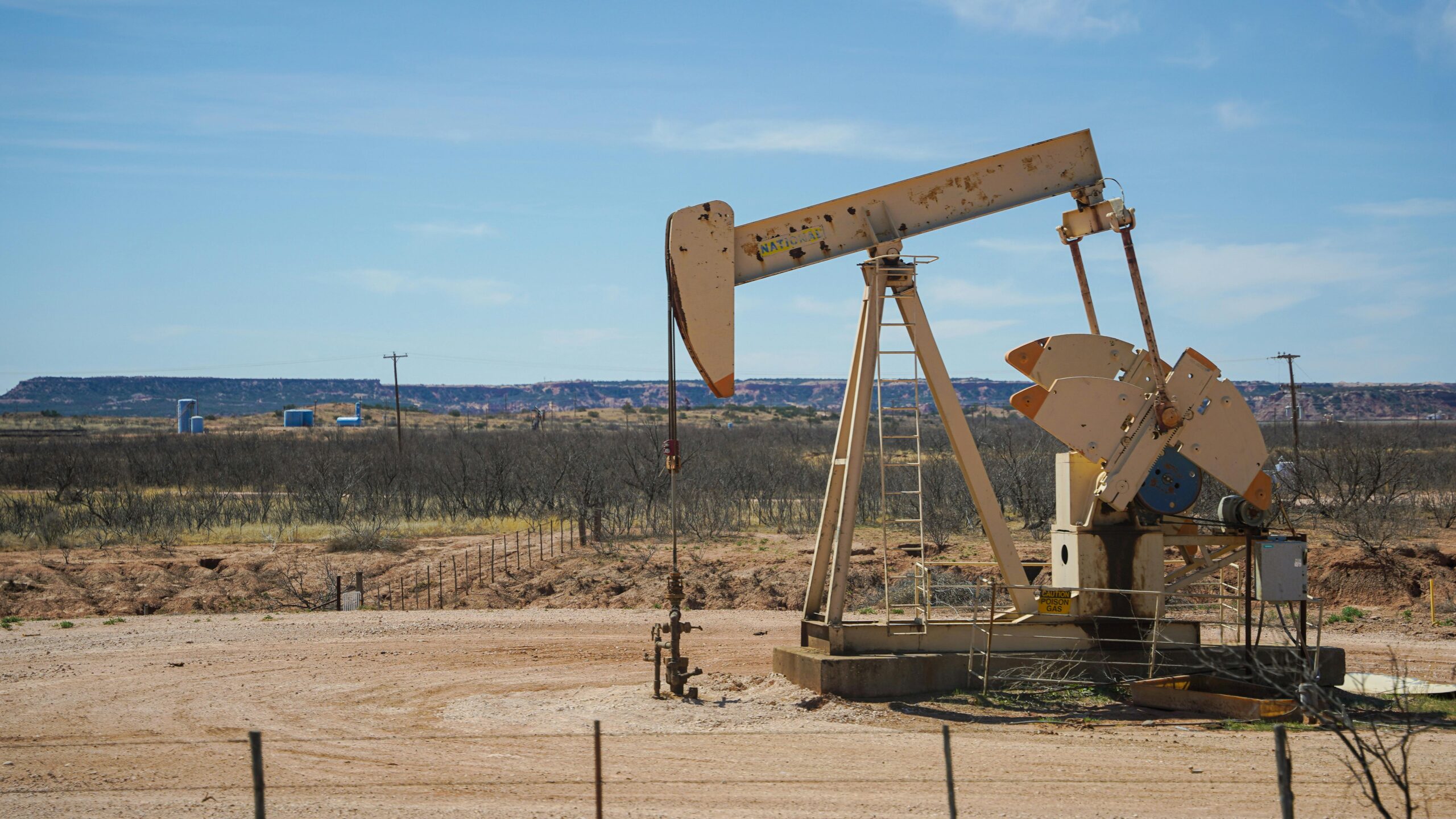
When an oilfield accident occurs in Lafayette, the immediate focus is rightly on the injured worker’s medical care and survival. But as the dust settles and the reality of long-term injuries, lost income, and mounting medical bills sets in, the question of legal liability becomes critically important. Oilfield accident cases are among the most legally complex personal injury matters in Louisiana, involving multiple overlapping companies, intricate contractual relationships, federal and state regulatory frameworks, and significant financial stakes on all sides. Determining who is legally responsible for an oilfield accident is rarely straightforward, and in many cases, liability is shared among several parties simultaneously. Understanding how Louisiana courts analyze liability in these cases is the essential foundation for any injured worker seeking full and fair compensation.
The Complex Structure of the Oilfield Industry
To understand liability in oilfield accidents, it is first necessary to appreciate the layered operational structure that defines the oil and gas industry in the Lafayette region. A typical oilfield job site involves multiple companies operating simultaneously under a web of contractual agreements. At the top sits the well operator or oil company that holds the lease and directs overall production activities. Below that, drilling contractors are hired to operate the actual drilling equipment. Oilfield service companies provide specialized functions including well cementing, wireline services, pressure pumping, and chemical treatment. Equipment manufacturers and rental companies supply the machinery and tools used on the site. Staffing agencies may provide additional labor under separate employment arrangements.
This multi-layered structure means that when an accident occurs, multiple parties may have contributed through their own negligence, and identifying each one requires a thorough investigation that goes well beyond a surface-level review of who was physically present at the scene. As outlined by the U.S. Department of Energy, the oil and gas sector encompasses an extraordinarily broad range of operational activities, each with its own risk profile and regulatory requirements, making liability analysis in accident cases genuinely complex.
Primary Parties Who May Bear Liability
The Well Operator
The well operator, typically a major or independent oil company, holds the broadest responsibility for safety on the job site. As the party that controls the lease and directs overall operations, the operator has a duty to establish and enforce safety protocols, ensure that contractors and subcontractors working on the site comply with applicable safety standards, maintain safe working conditions on the premises, and provide adequate supervision of operations. When an operator’s failure to fulfill these duties contributes to an accident, they may face direct negligence liability as well as premises liability claims.
Under Louisiana law, operators can also face liability under the doctrine of garde, which imposes responsibility on the party that has custody and control of a thing that causes harm. When the operator controlled the equipment, the well, or the overall work environment that gave rise to the accident, this doctrine can provide an important avenue for establishing liability.
Drilling Contractors
Drilling contractors who operate the rig and direct the work of drilling crews bear direct responsibility for the safety of their employees and for the proper operation of drilling equipment. When a blowout, equipment failure, or operational error caused by a drilling contractor’s negligence injures a worker, the contractor faces direct liability for those injuries. Importantly, in Louisiana’s oilfield environment, injured workers employed by one contractor may have viable third-party negligence claims against other contractors whose negligence contributed to the accident, even when workers’ compensation limits their claims against their own employer.
Oilfield Service Companies
Specialized service companies that perform discrete functions on a job site, including well cementing, pressure testing, chemical injection, and equipment inspection, owe a duty of care both to their own employees and to other workers on the site who may be affected by how they perform their work. When a service company’s improper procedures, inadequate training, or use of defective materials contributes to an accident, they may bear substantial liability for the resulting injuries.
Equipment Manufacturers and Rental Companies
Defective equipment is a significant contributing factor in many oilfield accidents. Blowout preventers that fail to activate, valves that malfunction under pressure, lifting equipment with structural defects, and personal protective equipment that fails to perform as designed all represent potential product liability claims against manufacturers and distributors. Equipment rental companies that supply poorly maintained or defective machinery may also bear liability when equipment failures contribute to accidents.
Staffing Agencies and Labor Contractors
Workers supplied to oilfield job sites through staffing agencies or labor contractors occupy a complex employment law position that affects how their injury claims are analyzed. When a staffing agency exercises meaningful control over how work is performed or when their own negligence in placing unqualified workers contributes to an accident, they may share liability alongside the direct operator and other contractors.
Louisiana’s Legal Doctrines Governing Oilfield Liability
Comparative Fault Among Multiple Defendants
Louisiana applies a pure comparative fault system that allows liability to be apportioned among multiple defendants based on each party’s percentage of responsibility for the accident. This means that even when numerous companies share responsibility for a worker’s injuries, each can be held accountable for their proportionate share of the damages. For injured workers, this framework supports the pursuit of claims against every responsible party, maximizing the total compensation available.
The Borrowed Servant Doctrine
One of the most frequently litigated liability issues in Louisiana oilfield cases is the borrowed servant doctrine, which determines whether a worker has been effectively transferred from their nominal employer to another company for purposes of a particular job. When a court determines that a worker was a borrowed servant of the operator or another contractor at the time of the accident, it can affect which companies bear workers’ compensation obligations and which may face tort liability.
Injured oilfield workers can research qualified Lafayette attorneys with experience in these complex cases through resources such as verified legal profiles that provide detailed information about an attorney’s background and practice focus. To discuss your specific circumstances and explore every avenue of legal recovery available to you, click here for more information about how Galloway Jefcoat’s experienced oilfield accident legal team can help you build the strongest possible claim.
Final Thoughts
Liability in a Lafayette oilfield accident is rarely confined to a single party. The industry’s complex operational structure, combined with Louisiana’s comparative fault framework and the multiple legal doctrines that govern contractor relationships, means that a thorough liability investigation is essential to recovering full compensation. Injured workers who act promptly, preserve evidence, and secure experienced legal representation are best positioned to identify every responsible party and pursue the maximum recovery their injuries and loss
About the author: Mark Scott
With a law degree under his belt, Mark Scott understood very early that law communication was a relatively neglected area. He decided to help people by “translating” the language and offering information and advice in a clear, useful, and actionable manner. For this reason, instead of finding him in court, you will most likely find his name online, where he is very active and thriving as a legal columnist. His part of making the world a better place is to make the law a less convoluted maze. He aims to make it easier for people to understand when and how to seek legal counsel, how to proceed in a significant number of legal matters, and to find the proper resources so they can stand up for their rights.
Where the legal industry reads first.
Enjoyed this article? Get the biggest legal industry updates, deals, appointments, insights and expert interviews in your inbox, free.
No spam. Unsubscribe anytime.From Legal Desire
Is your firm the one being cited, or the one being skipped?
We ran the test. On several everyday legal questions, software companies are answering and law firms are not. We help firms fix that, and we build the technology behind the practice.
Lawyers and firms: get featured on Legal Desire
Share your deals, lateral moves, firm news and insights with 1M+ monthly readers: founders, law firm partners, general counsel and practising lawyers across the US, UK, EU and GCC.
Get featuredSubmit a press release