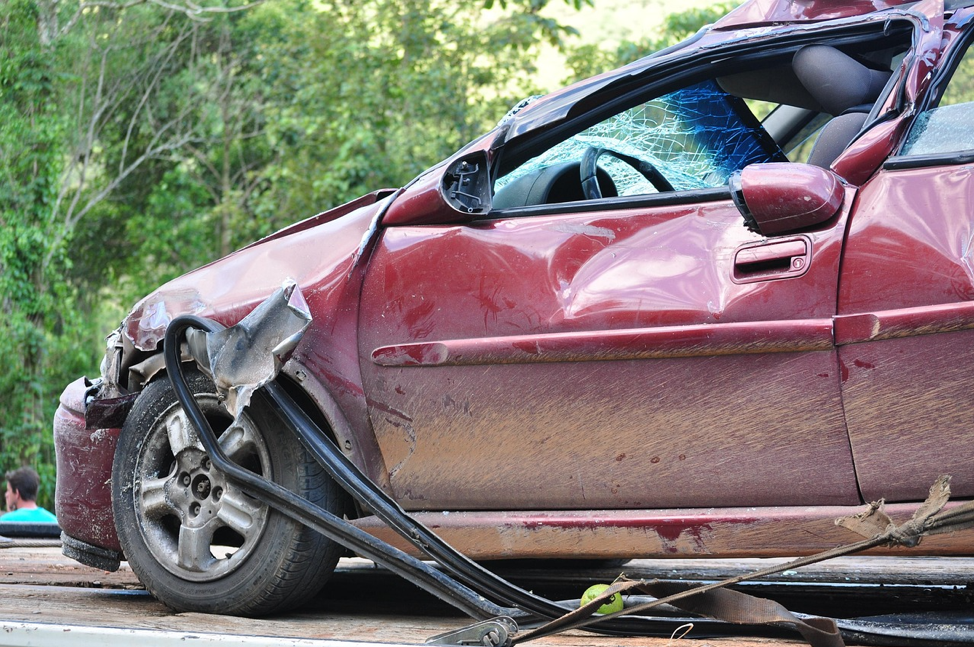


Commercial motor vehicle (CMV) collisions are among the most complex and high-stakes personal injury cases in the legal system. Due to the massive weight differential between an 80,000-pound tractor-trailer and a standard passenger car, collisions involving commercial trucks frequently lead to catastrophic injuries, prolonged hospitalizations, or wrongful death.
Securing fair compensation following a severe highway crash requires a deep understanding of federal transportation safety mandates, rapid evidence collection, and aggressive multi-party negotiations. Consulting with an experienced commercial truck accident attorney at Ried Pecina early in the process helps preserve critical digital records before motor carriers can lawfully overwrite them, while laying a strong foundation for financial recovery.
Federal Frameworks Governing Commercial Trucking Operations
Commercial trucking fleets operate under strict oversight from the Federal Motor Carrier Safety Administration (FMCSA) alongside state-level traffic regulations. Violations of these federal safety standards frequently serve as key evidence of negligence in personal injury lawsuits.
Hours of Service (HOS) Regulations
To prevent driver fatigue, one of the leading causes of severe highway crashes, federal law imposes strict limits on driving time. Property-carrying commercial drivers are restricted to a maximum 11-hour driving window after 10 consecutive hours off duty and must adhere to mandatory rest breaks.
Vehicle Maintenance and Inspection Mandates
Trucking companies are legally required to systematically inspect, repair, and maintain every commercial vehicle in their fleet. Failure to log regular brake adjustments, tire checks, or steering inspections shifts direct legal liability onto the fleet operator.
Critical Evidence Required in Commercial Vehicle Investigations
Trucking companies and their corporate insurers deploy dedicated risk-management teams to crash sites within hours of an incident. To counter these defense strategies, injured victims must take prompt legal action to secure physical and electronic evidence.
Essential Types of Digital and Physical Evidence
- Engine Control Module (ECM) Data: Often referred to as the truck’s “black box,” this unit records critical pre-crash metrics, including travel speed, braking force, throttle position, and sudden deceleration.
- Electronic Logging Device (ELD) Records: Provide tamper-evident digital logs verifying whether the driver complied with mandatory rest periods or exceeded legal driving hours.
- Driver Qualification Files (DQF): Contain background investigation records, driving history reports, medical examiner certificates, and drug test results.
Identifying Responsible Parties in Commercial Trucking Claims
Unlike standard passenger vehicle collisions where liability usually rests with a single driver, commercial truck accidents often involve multiple responsible entities. Identifying all liable parties is essential to accessing all available insurance coverage.
Potential Defendants in Truck Accident Litigation
- The Motor Carrier (Trucking Company): Liable under vicarious liability for the actions of its employees, or directly accountable for negligent hiring, improper training, and forcing unrealistic delivery schedules.
- Third-Party Maintenance Vendors: Responsible if mechanical failures, such as faulty brake systems or worn tires, stemmed from improper service or neglected repairs.
- Cargo Loaders and Freight Contractors: Liable when improperly secured or unbalanced cargo causes a trailer to jackknife, tip over, or spill across traffic lanes.
Recoverable Compensation in Personal Injury Claims
Victims of commercial truck accidents are entitled to seek comprehensive financial compensation to cover both immediate losses and future life impacts.
- Medical Expenses: Covers emergency care, surgical procedures, extended hospital stays, prescription medications, and ongoing physical therapy.
- Lost Wages and Diminished Earning Capacity: Reimburses income lost during physical recovery and addresses long-term reductions in future earning potential due to permanent disability.
- Non-Economic Damages: Provides financial recovery for physical pain, emotional distress, physical impairment, and loss of quality of life.
Strategic Steps to Take Following a Highway Collision
Taking organized action in the days following a commercial truck crash can dramatically impact the resolution of a legal claim:
- Obtain Immediate Medical Attention: Prioritize physical health and ensure all injuries are thoroughly documented by healthcare professionals.
- Decline Early Insurance Statements: Insurance adjusters representing trucking companies often request recorded statements early to minimize payout liability.
- Preserve All Accident Documentation: Keep copies of police reports, medical bills, discharge summaries, and photos taken at the collision scene.
Where the legal industry reads first.
Enjoyed this article? Get the biggest legal industry updates, deals, appointments, insights and expert interviews in your inbox, free.
No spam. Unsubscribe anytime.From Legal Desire
Is your firm the one being cited, or the one being skipped?
We ran the test. On several everyday legal questions, software companies are answering and law firms are not. We help firms fix that, and we build the technology behind the practice.
Lawyers and firms: get featured on Legal Desire
Share your deals, lateral moves, firm news and insights with 1M+ monthly readers: founders, law firm partners, general counsel and practising lawyers across the US, UK, EU and GCC.
Get featuredSubmit a press release