


Last updated: 25 November 2026. Sources: the Florida, Georgia, New York and Texas legislatures, legislation.gov.uk, GOV.UK and the Court of Appeal of England and Wales.
Short answer: “Squatters’ rights” usually means adverse possession: someone who openly occupies land for a long statutory period can claim title. A squatter who has just moved in has no right to stay, but in many US states the owner still needs a court eviction. Florida, Georgia, New York and Texas have passed laws since 2024 to speed removal. In England and Wales, residential squatting is a crime.
Key takeaways
- A squatter does not gain ownership by moving in. Title by adverse possession takes years of open, continuous and exclusive occupation, and the required period is set by each state’s law.
- The practical problem is removal: when an occupant claims to be a tenant, police often treat it as a civil dispute, and the owner may have to file an eviction case.
- Florida (since 1 July 2024) and Texas (since 1 September 2025) let owners ask the sheriff to remove unauthorised occupants of a home on a sworn complaint, and Georgia made “unlawful squatting” a crime in 2024.
- In England and Wales, squatting in a residential building has been a criminal offence since 1 September 2012, and owners can seek an interim possession order if they act within 28 days.
What are squatters’ rights?
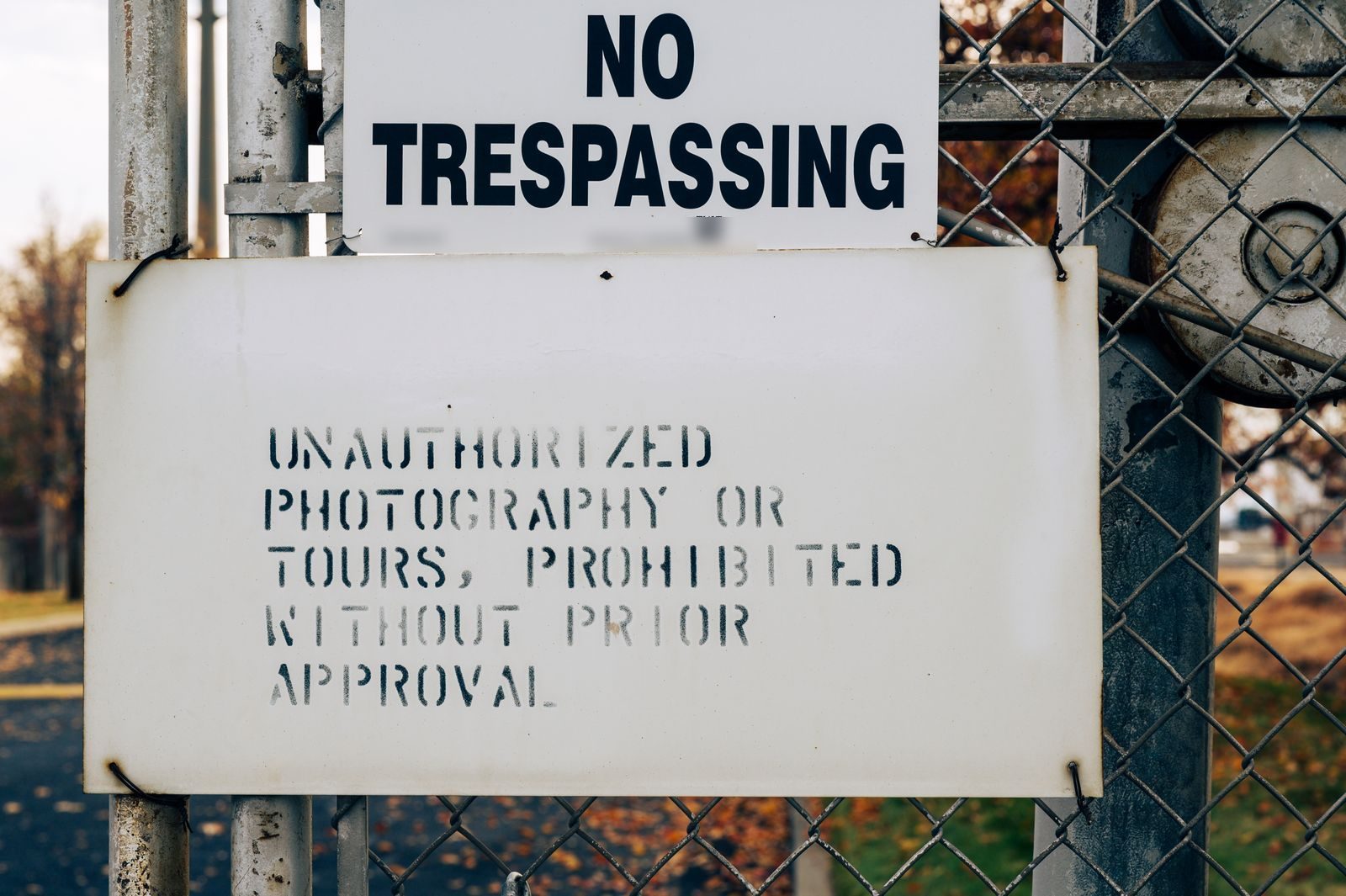
A squatter is someone who occupies property without the owner’s permission and without any lease or other legal right. Despite the name, squatters’ rights are narrow. In most cases the squatter is simply a trespasser.
The phrase covers two different things that are often mixed up online:
- Adverse possession. A long-standing rule that lets someone who has openly occupied land for the full statutory period, in a way the owner should have noticed, acquire title. This is rare and slow.
- Procedural protection. In many states, a person living in a home cannot be thrown out by the owner without a court order, even if they never had a lease. That is not a right to stay. It is a right to due process, which squatters can exploit by producing a fake lease or claiming an oral agreement.
The second point causes most of the headlines, and it is what several states changed in 2024 and 2025. Social media posts claiming squatters gain rights after 30 days have added to the confusion. No US state gives a squatter title after 30 days.
Can a squatter really take ownership of a house?
Only through adverse possession, and only after meeting every element for the full period. The usual elements in US law are that possession is actual, open and notorious, exclusive, hostile (without the owner’s permission) and continuous for the statutory period. The length of that period varies widely by state, and some states add conditions such as paying property taxes or holding a document that looks like a deed. Our guide to adverse possession sets out the requirements and state timelines in detail.
For a typical owner, the practical lesson is simple. An adverse possession claim needs years of occupation the owner failed to notice or challenge. Owners who inspect vacant property and act quickly when they find an intruder stop the clock long before it runs.
How do owners remove squatters in the US?
The exact route depends on the state, but the steps below apply in most places.
- Do not use force or cut off utilities. Changing the locks, removing belongings or shutting off power can expose an owner to liability, especially if the occupant turns out to have some claim to be a tenant. Florida, for example, bars landlords from interrupting utilities or changing locks on a tenant, with damages of actual losses or three months’ rent, whichever is greater, under section 83.67 of the Florida Statutes. Force can also lead to criminal charges, and the rules on defending a home, explained in our guide to the castle doctrine, do not cover evicting an occupant.
- Call the police. If the person broke in recently and cannot produce any lease, police may treat it as trespass and remove them. If the occupant shows any document or claims a tenancy, officers often decline to act and tell the owner to go to court.
- Use a fast-track squatter law if your state has one. See the table below.
- Otherwise, file an eviction or ejectment case. This usually starts with a written notice to vacate, then a court filing, a hearing and, if the owner wins, a writ of possession enforced by the sheriff. Timelines run from weeks to months depending on the state and court backlog.
- Keep records. Proof of ownership, photographs, utility bills, neighbour statements and evidence of when the property was last secured all help in court and with the police.
Owners who rent out property should keep tenants and squatters separate in their minds. A tenant who stops paying is not a squatter, and the Florida and Texas fast-track laws below expressly exclude current and former tenants. Our overview of tenant rights and landlord responsibilities covers ordinary evictions.
Which states have passed new squatter laws?
A wave of state laws followed widely reported squatting cases in 2023 and 2024. The table covers four large states whose laws we checked against the official text or legislative analysis. Other states have also legislated, so check your own state’s current law.
| State | Law | In force | What it does |
|---|---|---|---|
| Florida | HB 621 (ch. 2024-44), creating section 82.036 of the Florida Statutes | 1 July 2024 | Owner files a sworn complaint with the sheriff, who can remove unauthorised occupants of a residential dwelling; new crimes for causing $1,000 or more of damage (second-degree felony), presenting a false lease or deed (first-degree misdemeanour) and fraudulently selling or renting a home (first-degree felony) |
| Georgia | HB 1017, the Georgia Squatter Reform Act | On signature, April 2024 | Creates the misdemeanour of unlawful squatting; a person cited must show a valid lease or rent receipts within three business days, and if they do, a hearing is held within seven days |
| New York | FY2025 state budget, amending section 711 of the Real Property Actions and Proceedings Law | April 2024 | Defines a squatter as someone who enters without permission and states that a squatter is not a tenant, so the protection the section gives to occupants of rooms who have been in possession for 30 days or more does not cover them |
| Texas | SB 1333, adding Chapter 24B to the Property Code | 1 September 2025 | Owner files a sworn complaint with the sheriff or constable, who verifies ownership and serves a notice to vacate immediately; presenting a fake lease is a Class A misdemeanour and fraudulently selling or renting a home is a first-degree felony |
The Florida and Texas laws share the same conditions. Under Florida section 82.036, the property must include a residential dwelling, the occupant must have entered unlawfully when it was not open to the public, the owner must have asked them to leave, and the occupant must not be a current or former tenant or an immediate family member. There must be no pending litigation between them. The sheriff charges the same fee as for serving a writ of possession, plus an hourly rate if the owner asks a deputy to stand by while the locks are changed. Texas’s SB 1333 follows the same model and lets the officer arrest anyone found in the home on an outstanding warrant or for trespass.
Georgia’s approach is different. HB 1017 works through a criminal citation: an occupant who cannot produce a properly executed lease, a rental agreement or proof of rent payments faces arrest. New York’s change, announced by state legislators on 22 April 2024, closes a gap that squatters had relied on by claiming tenant status after 30 days in a property.
What happens if an owner wrongly removes someone?
The fast-track laws include a safeguard for people who are not squatters. In both Florida and Texas, a person wrongfully removed can sue the owner who made the complaint for actual damages, an amount equal to three times the fair market rent of the dwelling, court costs and reasonable attorney’s fees. In Texas the court must hear the case at the earliest practicable date. The complaint itself is made under oath, so a false statement can also lead to a perjury charge.
That is why the laws exclude tenants, former tenants and family members. An owner who uses the sheriff process against a lodger, a relative or a tenant whose lease has ended is taking a serious legal risk and should use the ordinary eviction process instead.
How do squatters’ rights work in England and Wales?
The law is stricter on residential squatting. Under section 144 of the Legal Aid, Sentencing and Punishment of Offenders Act 2012, a person commits an offence if they are in a residential building as a trespasser having entered it as a trespasser, know or ought to know they are a trespasser, and are living there or intend to live there. The offence came into force on 1 September 2012 and is tried in the magistrates’ court. GOV.UK says it can lead to six months in prison, a fine or both. A tenant who stays on after a lease ends is expressly excluded.
Squatting in a non-residential building, such as an empty shop or office, is not a crime in itself, although damaging the property is. For those cases, and for residential squatters the police do not remove, owners use the civil courts. GOV.UK explains that an owner who acts within 28 days of finding out about the squatting can apply for an interim possession order using form N130. Once it is served, the squatters must leave within 24 hours and stay away for 12 months, or face prison. After 28 days, the owner must bring an ordinary claim for possession. The guidance also says owners must not use force or threats to remove squatters.
Adverse possession still exists. For registered land, Schedule 6 to the Land Registration Act 2002 lets a squatter apply to be registered as owner after ten years of adverse possession. HM Land Registry notifies the registered owner, who can object. If they do, the squatter succeeds only in three narrow situations, such as a long-standing boundary mistake. If the owner then does nothing for two years and the squatter is still in possession, the squatter can apply again and the owner cannot object a second time.
The 2012 offence did not abolish this route. In R (Best) v Chief Land Registrar [2015] EWCA Civ 17, the Court of Appeal held that occupation which is a criminal offence under section 144 can still count towards adverse possession. Scotland and Northern Ireland have their own rules. For landlords dealing with tenants rather than squatters, our guide to the Renters’ Rights Act timeline covers the new possession regime in England.
How can owners protect an empty property?
- Visit or have someone check regularly. Most fast-track laws and the English interim possession order reward owners who act quickly.
- Secure the property. Lock doors and windows, repair break-ins at once and consider alarms or cameras.
- Make it look occupied. Collect post, keep the garden tidy and use timer lights.
- Keep ownership records handy. A recorded deed, tax bills and utility accounts in your name speed up police and court action.
- Register land in England and Wales. Registered owners are notified of adverse possession applications. Owners of unregistered land may not be.
- Check your insurance. Read the policy for any limits on cover while the property is unoccupied.
This article is general information about squatting and adverse possession in the US and England and Wales as of 25 November 2026, not legal advice. State laws differ and change often, so speak to a local property or landlord and tenant lawyer before acting.
Frequently asked questions
Is squatting illegal in the US?
Entering and staying on someone else’s property without permission is trespass in every state. Some states, such as Georgia, have also created specific squatting offences. The difficulty is usually proving there is no tenancy, which is why many cases end up in court.
Do squatters get rights after 30 days?
No US state gives squatters ownership after 30 days. The 30-day idea comes from tenant protection rules such as section 711 of New York’s Real Property Actions and Proceedings Law, which since April 2024 expressly says a squatter is not a tenant.
Can police remove squatters?
Often, yes, if the person clearly broke in and has no documents. In Florida and Texas, sheriffs can remove unauthorised occupants of a home on the owner’s sworn complaint. Elsewhere, police may tell the owner to file an eviction case if the occupant claims a tenancy.
Can I turn off the utilities to get squatters out?
It is risky. Cutting utilities or changing locks can expose an owner to damages claims if the occupant has any tenant status, and Florida law bars landlords from doing this to tenants. Use the police, a fast-track procedure or the courts.
Is squatting a crime in the UK?
In England and Wales, squatting in a residential building is a criminal offence under section 144 of the Legal Aid, Sentencing and Punishment of Offenders Act 2012. Squatting in commercial buildings is not a crime in itself. Scotland and Northern Ireland have different laws.
How long does adverse possession take?
In the US it depends on the state, and the period is measured in years, not weeks. In England and Wales, a squatter on registered land can apply after ten years, but the registered owner can usually defeat the application by objecting and then taking action.
Where the legal industry reads first.
Enjoyed this article? Get the biggest legal industry updates, deals, appointments, insights and expert interviews in your inbox, free.
No spam. Unsubscribe anytime.From Legal Desire
Is your firm the one being cited, or the one being skipped?
We ran the test. On several everyday legal questions, software companies are answering and law firms are not. We help firms fix that, and we build the technology behind the practice.
Lawyers and firms: get featured on Legal Desire
Share your deals, lateral moves, firm news and insights with 1M+ monthly readers: founders, law firm partners, general counsel and practising lawyers across the US, UK, EU and GCC.
Get featuredSubmit a press release