

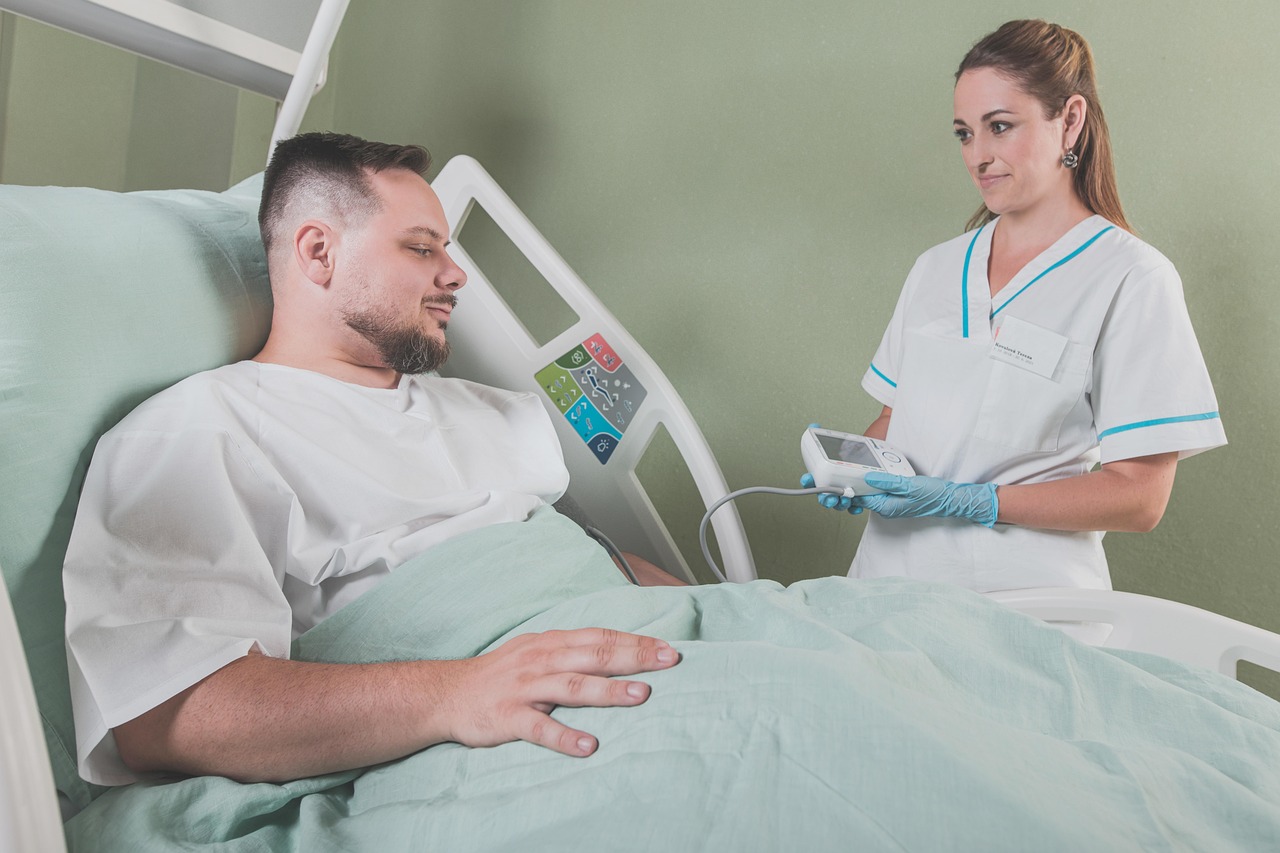
A hospital-acquired infection can slow your recovery by creating a new medical problem when your body is already trying to heal. An infection might extend your hospital stay, necessitate additional treatment, or cause lasting complications. In severe cases, it can become life-threatening.
You enter a hospital expecting treatment for an injury or illness, or maybe a surgical procedure; what you don’t expect is another condition ot manage. However, hospitals have patients with infectious illnesses and staff members moving between patient rooms, and many hospital rooms have frequently touched surfaces and invasive medical equipment. Even with infection-control procedures in place, viruses, bacteria, and fungi can sometimes spread, complicating an otherwise successful recovery.
How an Infection Can Disrupt the Healing Process
When it comes to healing, your body has limited resources. For instance, following a major surgery, your immune system is already responding to tissue damage, while your body works to close wounds and restore normal function.
Developing an infection adds a another demanding layer to this puzzle. Rather than concentrating on the original problem, your immune system must also fight invading microorganisms.
Some hospital-acquired infections develop around a surgical site. A surgical site infection can cause symptoms ranging from redness and swelling to drainage and fever; increasing pain is also possible. Deeper infections might affect tissues beneath the incision; however, they can also involve an organ or implanted medical device. Treatment can range from wound care and antibiotics to another surgical procedure to clean the infected area.
Other infections may be associated with equipment used during treatment. For example, a urinary catheter can provide a route for bacteria to enter your urinary tract, whereas a central line can introduce microorganisms directly into your bloodstream.
Patients receiving mechanical ventilation may develop pneumonia if germs reach their lungs. These infections can be particularly serious when a patient is already critically ill.
The infection itself is a significant problem, but there’s more to it. Treatment can interfere with the recovery plan you originally anticipated following. Weakness or fever might wind up postponing physical therapy. Your wound might take longer to close. Intravenous antibiotics might be necessary when you would have otherwise been ready to go home.
A severe infection can spread beyond its original site. When your body’s response to infection becomes extreme, sepsis can develop and then interfere with normal organ function. This can turn an otherwise manageable recovery into a medical emergency that involves intensive monitoring and aggressive treatment.
It only takes a single complication to change the entire course of your recovery.
Longer hospitalizations have their own challenges. Spending extra days or weeks in bed can cause muscle loss, reduced mobility, and general deconditioning. You might leave the hospital weaker than expected, needing rehabilitation or assistance with ordinary activities following discharge.
Why Some Patients Face Greater Risks
While everyone faces a risk of developing a hospital-acquired infection or experiencing serious complications from one, not everyone has the same likelihood of suffering these conditions. Your risk is influenced by everything from your age and overall health to your immune function and the reason for your hospitalization. Patients recovering from serious injuries or major operations might be especially susceptible because their bodies are already under serious physical stress.
The length of your hospitalization matters, too. The longer you stay in a healthcare setting, the greater the risk of exposure to infectious organisms. Potential pathways for infection range from repeated procedures and multiple intravenous lines to urinary catheters and other invasive devices.
Antibiotic-resistant organisms create more potential problems. Some bacteria have developed resistance to medications commonly used in treating infections, making treatment more complex. Doctors might need to identify the specific organism through laboratory testing so they can select a different antibiotic rather than relying on a standard first-line treatment.
It’s easy to assume that leaving the hospital means the complication is over. Unfortunately, that’s not always the case. Your condition following discharge can also impact how quickly an infection is recognized. Symptoms can show up after you return home. Fever may develop. Pain can worsen. You might notice unusual drainage, shortness of breath, or increasing weakness. These situations can mean another ER visit or even hospital admission, along with diagnostic testing and a new course of treatment.
The effects can keep going after the infection itself has cleared. If your mobility or strength declined during an extended hospitalization, you might need home healthcare, outpatient therapy, or help from friends and family.
Normal routines and going back to work might take a lot longer than you originally anticipated.
When a Hospital-Acquired Infection Raises Legal Questions
The fact that you develop an infection in a hospital doesn’t automatically mean that someone committed medical malpractice.
Infections are a known risk of many procedures. They can happen even when healthcare professionals follow proper precautions.
The legal question usually involves whether the care you received met the applicable professional standard. That inquiry can involve specific infection-control practices before, during, and after treatment. Based on the circumstances, relevant issues could include whether medical equipment was handled properly. Was a central line or catheter in place longer than medically necessary? Were there signs of infection recognized and appropriately treated?
Medical records often become vital when reconstructing exactly what happened. If you think preventable mistakes contributed to your infection, an experienced medical malpractice lawyer like those at McCoy & Hiestand, PLC might review the medical timeline and determine whether further investigation is warranted. Establishing a claim usually requires more than just showing an infection happened, as there must typically be evidence connecting a departure from the appropriate standard of care to the infection and resulting harm.
Medical negligence and bad medical outcomes don’t always go hand in hand.
Understanding the Full Effect on Your Recovery
A hospital-acquired infection can turn what could have been a relatively straightforward recovery into weeks or even months of additional treatment. Looking at the full impact means considering more than just the infection; you have to factor in everything from additional procedures and prolonged hospitalization to delayed rehabilitation and lost income, as well as other lasting physical limitations. If questions remain about whether appropriate precautions or treatment standards were followed, consulting a medical malpractice lawyer is a chance to understand how the medical complications and surrounding circumstances might be evaluated under the law.
Where the legal industry reads first.
Enjoyed this article? Get the biggest legal industry updates, deals, appointments, insights and expert interviews in your inbox, free.
No spam. Unsubscribe anytime.From Legal Desire
Is your firm the one being cited, or the one being skipped?
We ran the test. On several everyday legal questions, software companies are answering and law firms are not. We help firms fix that, and we build the technology behind the practice.
Lawyers and firms: get featured on Legal Desire
Share your deals, lateral moves, firm news and insights with 1M+ monthly readers: founders, law firm partners, general counsel and practising lawyers across the US, UK, EU and GCC.
Get featuredSubmit a press release