Introduction
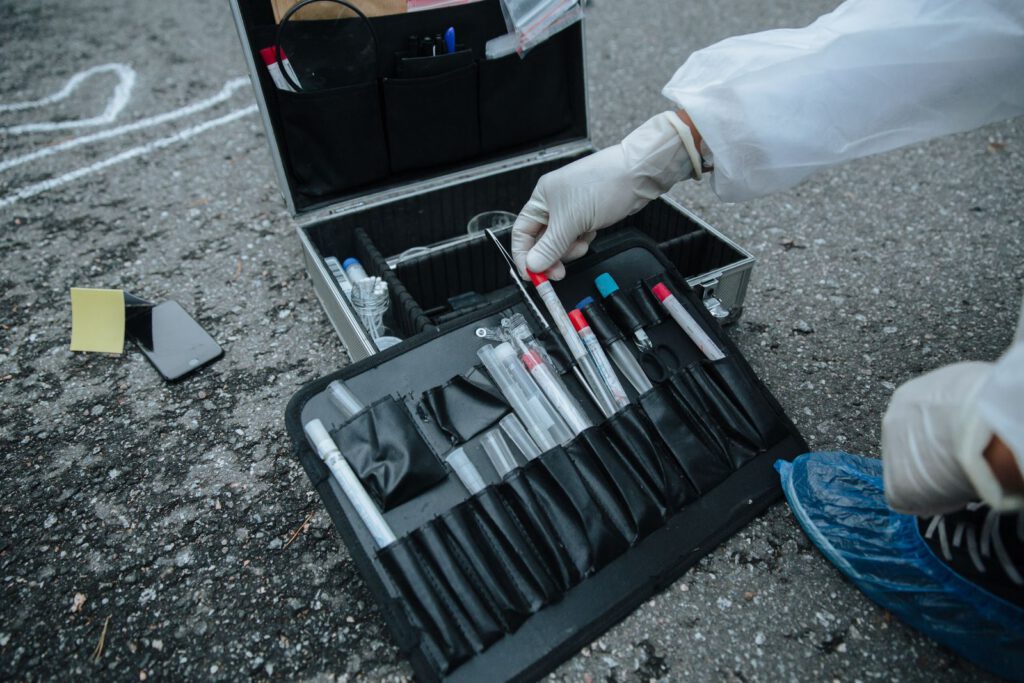
The physical changes that occur when two surfaces come into contact are known as trace evidence and are too small to see at the time, but can be recovered later. Fibers are among the most familiar types of evidence, as they are shed from clothing and almost any interaction between a person and a piece of clothing, seat, or another person can transfer this kind of evidence. This is reflected in Locard’s Exchange Principle, the cornerstone of how any contact leaves a trace and a perpetrator brings him or herself into a scene and takes something out. A single embrace, a brush against furniture, or a scuffle with a victim can be enough to connect a suspect, an object, and a victim to a scene via fibers. Fibers can be divided into two primary groups: natural fibers (cotton, wool, silk) and manufactured fibers (regenerated fibers, such as those from natural polymers, and completely synthetic fibers such as polyester and nylon). The question this article is seeking to answer is more limited than it may sound: Given that a fiber can be found in a particular garment, how can a questioned fiber be carefully compared with a known fiber from a suspect’s clothing?
Forensic Fiber Analysis is?
Forensic fiber is the analysis of fibers including fiber recovery, comparison, and interpretation in the context of a criminal investigation. It includes three types of fibers: those obtained from natural sources (whether plants or animals), those regenerated from natural cellulose, and those which are entirely synthetic fibers made from petrochemical polymers. Examiners deal with two types of samples: the questioned fiber, which is the sample recovered from a scene, a victim or an object, and the known or reference fiber, which is directly from a suspect’s garment. The small scale of fiber examination is what makes it such an important piece of evidence. Often fibers are so small that they cannot be seen without a microscope, but when combined with other fibers, they can provide a lot of information.
Natural Fibers
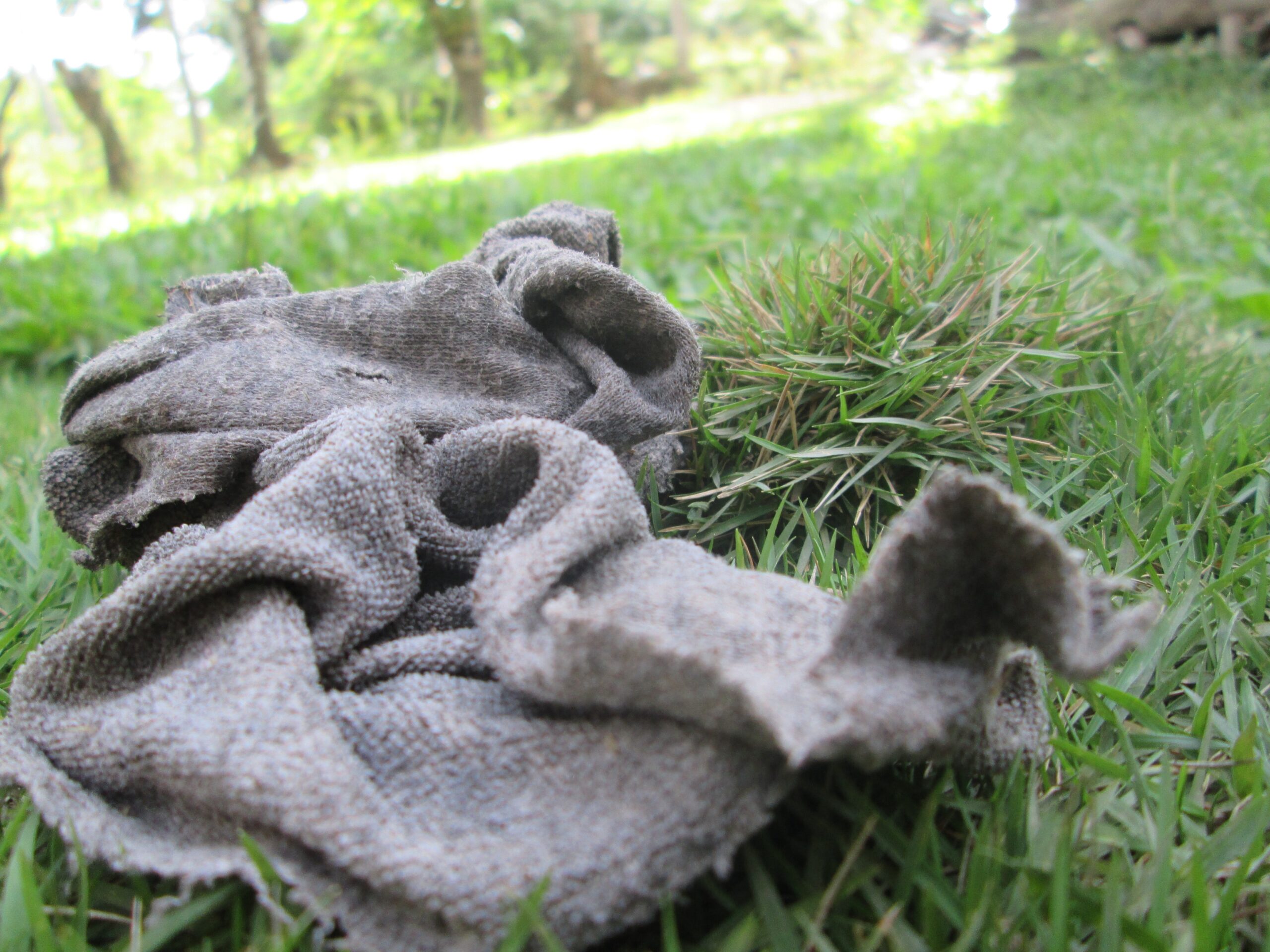
Natural fibers are fibres collected from plants or animals which have undergone little or no chemical treatment of the fabric, and may be divided into two groups: fibres of natural origin and fibres of animal origin. Cellulosic (plant) fibers are fibers that are derived from cellulosic plants and are by far the most prevalent type of fiber used in the world, including cotton, the most widely used fiber; bast fibers include linen (from flax), hemp, and jute and are recognizable under the microscope by their unique cell-wall characteristics from the original plant. Protein based (animal) fibers are made up of wool, which is obtained from sheep and has distinctive overlapping cuticle scales; silk, which comes from silkworms, is smooth and translucent, and has a triangular cross section; and speciality animal fibers like cashmere, mohair and angora, which are smaller in diameter and less pronounced in their overlapping cuticle scales. Natural fibers are grown naturally and therefore exhibit more variability in diameter and structure than manufactured fibers do, and this can help to emphasize a comparison, but can also make it more complex.
Regenerated Fibers
Regenerated fibers fall somewhere between the extremes; a natural fiber such as cellulose is chemically dissolved and then extruded through a spinneret, just like in the case of true synthetics. The most widely produced regenerated fiber is rayon (viscose), which can be made to resemble cotton, silk or wool through finishing. Acetate and triacetate are made in a similar fashion but chemically different, and usually have different cross-sectional morphology and solubility characteristics than rayon, aiding in their identification by the examiner. Newer regenerated fibres, including lyocell and modal, employ more environmentally controlled solvent processes but are still, in their chemical makeup, cellulose-derived fibers by nature and not completely synthetic.
Synthetic Fibers
Fully synthetic fibers are made from polymers derived from petroleum; they are now the leading category of fibers produced in the world. The most prevalent synthetic fibre in casework is polyester, and it is known for being both durable and wrinkle-resistant. Nylon is a polyamide, the first truly synthetic fiber, and is used in outerwear, industrial textiles, and hosiery. The various types of nylon (e.g. nylon 6 and nylon 6,6) have the same appearance under the microscope but different chemical properties. Acrylic fibers are used to make them as warm and bulky as wool and are protected from moth and water damage, while polypropylene, which has high chemical-resistant properties and is lightweight, is often used in the manufacturing of carpeting and rope. Elastane (spandex) is usually used in combination with other fibres, rather than being used as the sole fibre. Synthetic fibers because of the precision-engineered spinneret, make a highly uniform and reproducible cross-section (round, trilobal or other shapes), which is the propertythat microscopic and chemical comparison take advantage of in casework, compared to natural fibers which are not uniform.
The transfer of fibers at a crime scene
Locard’s Exchange Principle
There is seldom one-way contact between two surfaces. In most physical contact situations, a transfer of fibers is theoretically possible with both the garment and the victim rubbing against the assailant’s clothing in some manner; for example, when a garment contacts a seat, a transfer of fibers can occur in both directions.
Primary and Secondary Transfers.
Primary transfer refers to fibers that are transferred from one garment directly to the victim, object or another garment through contact. Secondary transfer: when fibers are transferred from an intermediate surface (a car seat, another person’s clothing) without the original source garment being on the surface. The amount of fibre that will transfer and how long it will last are a combination of factors. A new quantitative fiber persistence study under simulated exercise revealed that the structure of the donor fabric as well as the recipient fabric had a significant influence on the results, and the persistence seemed more associated with the length of recovered fibers than with the number of them.
These factors are multiplied by contact duration, by force and friction, by the texture of the surface and, after contact, by washing (or environmental exposure), which is why simulated trials are the best way to guide interpretation of the casework.
| Fiber Type | Major Characteristics | Major Uses |
|---|---|---|
| Acetate | Luxurious appearance, soft feel, excellent drapability, wide range of colours and lustres, relatively fast-drying, and resistant to shrinkage, moths, and mildew. | Dresses, blouses, lingerie, linings, satin, taffeta, draperies, upholstery, cigarette filters, and fiberfill. |
| Acrylic | Soft, warm, wool-like, resilient, quick-drying, shape-retaining, and resistant to moths, sunlight, oil, and chemicals. | Sweaters, socks, sportswear, fleece, simulated fur, blankets, carpets, upholstery, and geotextiles. |
| Aramid | Very high strength, excellent resistance to stretching, high-temperature stability, and high flame resistance; does not melt. | Protective clothing, military helmets, protective vests, aircraft composites, tyres, ropes, and cables. |
| Bicomponent | Contains two polymer components; may provide thermal bonding, self-bulking, very fine fibers, and specialized cross-sections. | Bonding materials, composites, lamination, moulding, and other structural applications. |
| Lyocell | Soft, strong, absorbent, easily dyed, and capable of fibrillation during wet processing. | Dresses, coats, blouses, jackets, lingerie, blankets, carpets, curtains, and industrial/nonwoven products. |
| Rayon | Highly absorbent, soft, comfortable, easily dyed, versatile, and has good drapability. | Dresses, blouses, coats, lingerie, sportswear, carpets, blankets, curtains, and upholstery. |
| Spandex | Highly elastic; can stretch substantially without breaking and repeatedly recover its original length; lightweight and resistant to body oils. | Athletic wear, bathing suits, foundation garments, ski clothing, slacks, and surgical/support hose. |
| Melamine | White and dyeable, flame-resistant, low thermal conductivity, and stable at high temperatures. | Fire-blocking fabrics, firefighter clothing, thermal liners, heat-resistant gloves, and high-temperature filters. |
| Modacrylic | Soft, resilient, abrasion- and flame-resistant, quick-drying, and resistant to acids and alkalis. | Simulated fur, wigs, pile fabrics, carpets, blankets, flame-resistant curtains, and filters. |
| Nylon | Exceptionally strong, supple, abrasion-resistant, lustrous, resilient, and resistant to oil and many chemicals. | Hosiery, lingerie, rainwear, carpets, parachutes, ropes, nets, tire cords, and geotextiles. |
| Olefin | Low moisture absorption, good wicking properties, abrasion resistance, quick drying, and resistance to chemicals, mildew, and weather. | Sportswear, carpets, upholstery, filter fabrics, automotive interiors, cordage, and geotextiles. |
| Polyester | Strong, lightweight, excellent colorfastness, resistant to stretching and shrinking, quick-drying, wrinkle-resistant, and abrasion-resistant. | Shirts, dresses, suits, lingerie, carpets, curtains, sheets, fiberfill, ropes, tire cords, and sails. |
| PBI | Extremely flame-resistant, does not burn or melt, has low shrinkage, and provides thermal and chemical stability. | High-performance protective clothing, firefighter turnout coats, and astronaut suits. |
Source: American Fiber Manufacturers Assoc. Inc., Washington, D.C., http://www.fibersource.com/f-tutor/q-guide.htm
Understanding the Science of Fiber Matching to Clothing
This is the most analytical step in fiber testing, as it moves carefully from the least complicated and destructive methods to more sensitive chemical methods without skipping any steps whereby each one helps to eliminate candidates before proceeding to a more costly technique.
Microscopic Examination
It all starts under the influence of the microscope, where the examiner carries out a thorough characterization of all properties of the questioned fibers. The first parameter assessed is the colour of the fiber; however, this examination is conducted not just based on visual estimation because the colour has to be determined using standardized lighting conditions. This is due to the fact that the colour may vary depending on the lighting conditions, and hence it may be crucial for interpretation if the fibers match each other. The diameter is measured directly because the manufacturing process of the fibers is regulated in a way that allows us to control their thickness. The cross-section of the fiber represents probably the most important parameter since the fiber is extruded under huge pressure through a machine called a spinneret, which is a metal plate containing holes of pre-defined configuration, and this means that the fiber retains its unique cross-section despite being colored and used in clothing. Surface morphology is another important feature of the fiber since fibers are subjected to treatment with substances such as titanium dioxide that have an anti-shiny effect, and the quantity and distribution.
comparison microscope
The use of comparison microscopes allows examiners to simultaneously observe both known and questioned fibers instead of doing it separately and relying on memory or notes. Using a technique of comparison microscopy, analysts can use a pair of connected microscopes equipped with an optical bridge. Having both objects next to each other makes it much easier to spot slight distinctions in color, diameter, or surface features that can be missed when the objects are viewed one after the other.
Polarized Light Microscopy
Following a fiber’s successful visual screening, its behaviour in terms of light interaction is examined using polarizing microscopy. Most fibers produced today are known to be birefringent materials, i.e., the polymeric chains that constitute their structure are elongated and orientated during their production. Such construction leads to the fiber having two refractive indices, and the numerical difference between these indices, together with the fiber’s sign of elongation and extinction angles observed through crossed polarizing filters, yields normative values for each fiber class, whether it is nylon, polyester, or acrylic fiber. Since these optical features are associated with the internal molecular design of the material rather than its appearance, they are much more difficult to emulate than the colour properties of polymeric fibers.
Chemical Analysis
If an identification remains unclear after a direct comparison using microscopes and other optical equipment, or if maximum scientific proof is required in a particular case, chemical analysis is applied. The technique of Fourier-transform infrared spectroscopy (FTIR) can be used in this regard, whereby the method uses infrared light to determine how much each of the fibers absorbs this light and provides a spectrum that gives information about certain chemical bonds and functional groups present in the polymer used in a given textile fabric. The thing is that this method helps one determine not only a general category of fiber, but also differentiate between polymer varieties as well, such as nylon types, which are completely identical to one another using microscope visualization only without FTIR usage. The example that shows the efficiency of this method is the study description above, which states that FTIR was applied to 138 synthetic fibers, and after using the data cleaning technique Savitzky–Golay smoothing and standard normal variate preprocessing, the fibers were separated into different types of polymers based on the collected data using statistical methods, such as principal component analysis and machine-learning classification methods.
- Raman spectroscopy works alongside FTIR and measures molecular movements in a different physical way. It has been shown to be very useful in analysing dyes on fiber without removing them or damaging the samples. Since common visible-light excitation can certainly produce fluorescence in dyed textiles and practically drown the Raman signal, scientists have resorted to near-infrared excitation wavelengths precisely to avoid those adverse effects.
- Microspectrophotometry (MSP), which applies the method of measuring fiber UV-visible absorbance spectrum and achieves the numerical accuracy that no human vision can match. It allows turning the subjective opinion about the colour into a quantitative curve. While dyes have to be identified individually, chromatography methods can be used to identify all dyes contained in the fiber sample.
References:
- Aljannahi, A., Alblooshi, R. A., Alremeithi, R. H., Karamitsos, I., Ahli, N. A., Askar, A. M., Albastaki, I. M., Ahli, M. M., & Modak, S. (2022). Forensic analysis of textile synthetic fibers using a FT-IR spectroscopy approach. Molecules, 27(13), 4281. https://doi.org/10.3390/molecules27134281
- Galais, V., Fleming, H., Nic Daéid, N., & Ménard, H. (2022). Scientometric analysis of the forensic science literature for fibre as an evidence type: Access and data availability. Forensic Science International: Synergy, 5, 100269. https://doi.org/10.1016/j.fsisyn.2022.100269
- Lau, V., Roux, C., & Spindler, X. (2025). The persistence of fibres following a choreographed assault: A quantitative assessment of the influence of physical activity. Science & Justice, 65(2), 103–118. https://doi.org/10.1016/j.scijus.2025.01.004
- Lepot, L., Vanhouche, M., Vanden Driessche, T., & Lunstroot, K. (2022). Interpol review of fibres and textiles 2019–2022. Forensic Science International: Synergy, 6, 100307. https://doi.org/10.1016/j.fsisyn.2022.100307
- Mane, M., & Devika, G. (2022). Study on transfer and persistence of fibers: A systematic review. Journal of Forensic Science and Medicine, 8(2), 68–75. https://doi.org/10.4103/jfsm.jfsm_59_21
Where the legal industry reads first.
Enjoyed this article? Get the biggest legal industry updates, deals, appointments, insights and expert interviews in your inbox, free.
No spam. Unsubscribe anytime.From Legal Desire
Is your firm the one being cited, or the one being skipped?
We ran the test. On several everyday legal questions, software companies are answering and law firms are not. We help firms fix that, and we build the technology behind the practice.
Lawyers and firms: get featured on Legal Desire
Share your deals, lateral moves, firm news and insights with 1M+ monthly readers: founders, law firm partners, general counsel and practising lawyers across the US, UK, EU and GCC.
Get featuredSubmit a press release