


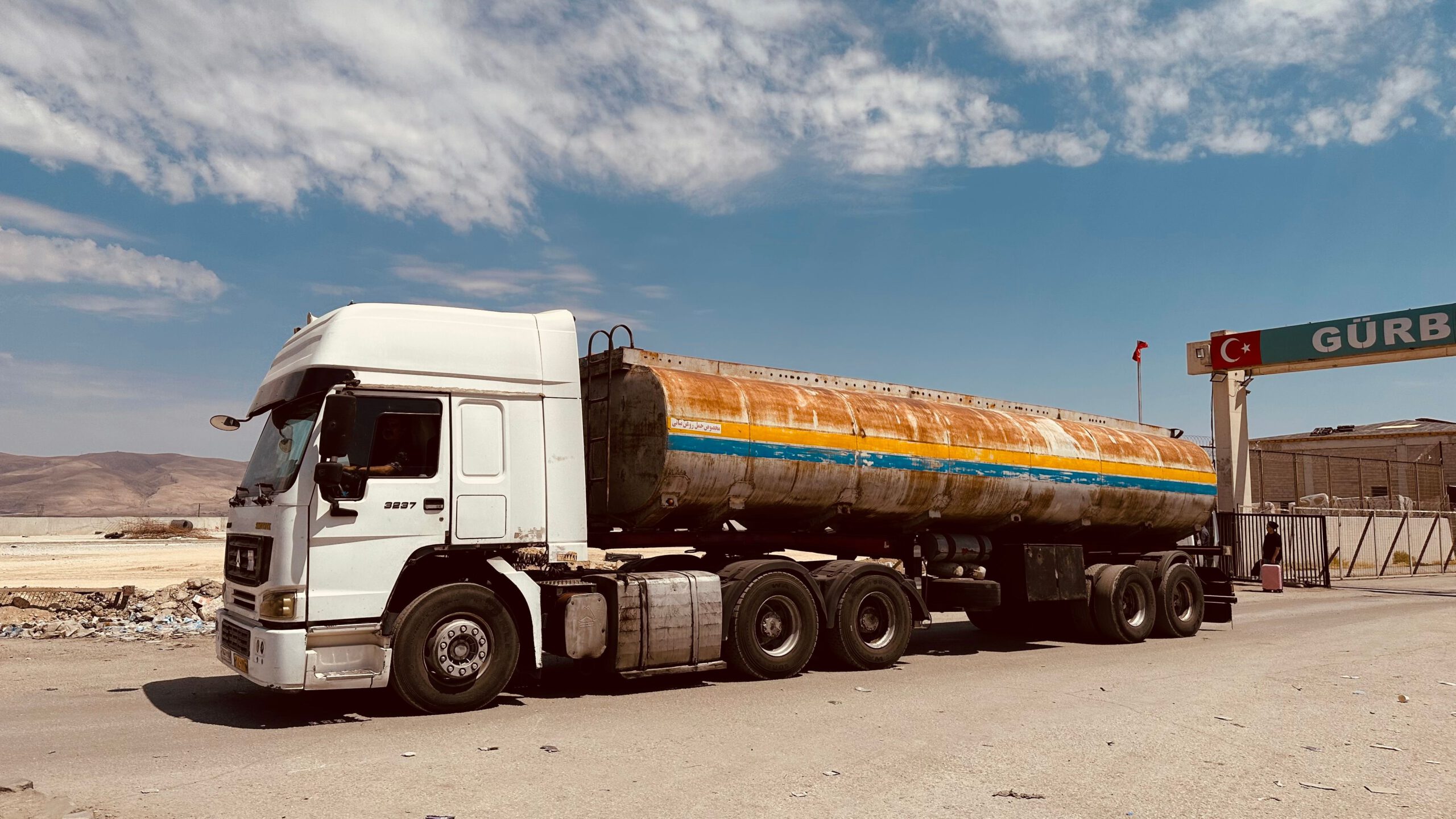
A semi can legally weigh 80,000 pounds. Think about that for a second. That’s the weight of about 20 cars packed into one vehicle, and whether it stays upright or ends up on its side through a curve depends a lot on how somebody stacked the boxes at a warehouse hours before the driver ever got in.
People assume truck crashes come down to the driver. Tired, speeding, texting, whatever. Sometimes, sure. But a surprising number trace back to the load itself. And the driver might not have had any idea anything was wrong until the trailer started pulling to one side.
Here’s the thing about weight in a trailer. It’s not enough to just be under the limit. It has to sit right. Spread across the axles the way it’s supposed to. Load too much toward the back and the front wheels go light, which means the steering turns mushy and the driver stops getting real feedback through the wheel. Flip it, pile too much up front, and now the brakes on those axles are cooking on every downhill and fading right when he needs them.
Then there’s height. Stack a load tall and the whole rig wants to tip in a hard turn. Rollovers are brutal. Large trucks keep showing up in a nasty share of fatal crashes year after year, and if you want the actual numbers instead of me just saying “a lot,” the National Safety Council’s large truck data lays it out.
Most of these loading screwups aren’t dramatic. Nobody’s being reckless on purpose. It’s a crew running behind, trying to beat a dispatch window, grabbing the heavy pallets and dropping them wherever’s closest instead of where they belong. Small thing. Adds up.
Overloading is the one everybody pictures. Trailer packed past what it’s rated for, tires and brakes taking more than they were built for, and a blowout at 70 is exactly as bad as it sounds.
Loose cargo is sneakier. Freight that nobody strapped down or braced properly will slide when the driver brakes and shift when he turns. So the truck handles one way, then suddenly handles another way, usually mid-maneuver. Flatbeds are their own nightmare here. Unsecured pipe or lumber can come straight off the back and into whoever’s driving behind it.
And tankers. If a liquid tanker runs half full, that fluid sloshes back and forth and literally shoves the truck forward after the brakes are already on. A loading crew that treats a tanker like a box truck is going to get somebody hurt.
Now, who’s actually on the hook. This part trips people up, because the driver is frequently not the only one responsible, and sometimes he’s not responsible at all.
Count how many hands touch that freight before it hits the interstate. The trucking company that’s supposed to train drivers and hold the line on weight limits. The warehouse or third-party crew that did the stacking and strapping. The shipper who sealed a container and maybe lied about what was in it or how heavy it ran. Sometimes a broker who booked a carrier they should’ve known had a bad record.
Federal rules get specific about securement, by the way. Tie-down counts, working load limits, inspection duties, all of it written down. When someone pulls the bills of lading, the weigh station records, the inspection logs, the paper usually points right at whoever cut the corner. That’s the work. A firm that’s handled these, like the one Best Lawyers recognized in Kevin McManus Law, knows how to follow that chain back to the source instead of stopping at the easy answer.
If a truck like this hits you, the clock is already running and you probably don’t realize it. Cargo gets hauled off. The truck’s back on the road in a day. Logs get overwritten. Evidence that proves what happened just quietly disappears while you’re sitting in a hospital.
So, practical stuff. Get treated and keep every scrap of paper from it. Take pictures if you’re able, the spilled freight, the debris, where the trailer ended up. Grab names from anyone who watched the load come loose. Make sure the police actually write it up.
The bigger piece is preserving what the trucking company has. A truck accident attorney in Overland Park can fire off a spoliation letter that forces them to hold onto the driver’s logs, the loading manifest, the maintenance records, the dashcam and telematics. Those files tell you what the truck really weighed and how the load was secured. Lose them and the company gets to say everything was fine, and now you’re the one stuck proving it wasn’t.
A cargo-caused wreck can leave you with medical bills, time off work you can’t afford, and a recovery that drags on longer than anyone warns you about. Figure out where you stand sooner rather than later. The party that caused it isn’t going to volunteer for the blame.
Author: Mark Scott

With a law degree under his belt, Mark Scott understood very early that law communication was a relatively neglected area. He decided to help people by “translating” the language and offering information and advice in a clear, helpful, and actionable manner. For this reason, instead of finding him in court, you will most likely find his name online, where he is very active and thriving as a legal columnist. His part of making the world a better place is to make the law a less convoluted maze. He aims to make it easier for people to understand when and how to seek legal counsel, how to proceed in a significant number of legal matters, and how to find the proper resources so they can stand up for their rights.
Where the legal industry reads first.
Enjoyed this article? Get the biggest legal industry updates, deals, appointments, insights and expert interviews in your inbox, free.
No spam. Unsubscribe anytime.From Legal Desire
Is your firm the one being cited, or the one being skipped?
We ran the test. On several everyday legal questions, software companies are answering and law firms are not. We help firms fix that, and we build the technology behind the practice.
Lawyers and firms: get featured on Legal Desire
Share your deals, lateral moves, firm news and insights with 1M+ monthly readers: founders, law firm partners, general counsel and practising lawyers across the US, UK, EU and GCC.
Get featuredSubmit a press release