Background
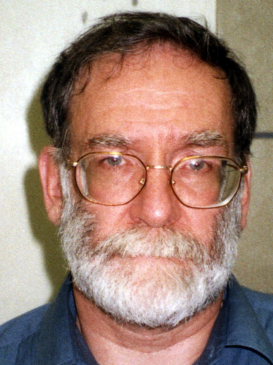
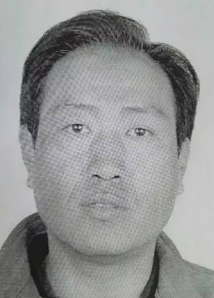
Gao Chengyong was a serial killer and rapist who was linked to a string of murders that happened between 1988 and 2002. Most of these crimes took place in Baiyin, Gansu Province. A reported case also occurred in Baotou, Inner Mongolia. Chinese media called him the “Chinese Jack the Ripper” because of the violence and the way he cut up his victims. His victims were all women and young girls. The similar patterns in the crimes led investigators to believe one person was behind them all. For 30 years, he remained unknown despite many years of searching. His arrest in August 2016 was a moment because it showed how new DNA testing and family genetic research can solve old cases. He was found guilty of 11 murders and other crimes. He was executed in January 2019.
Criminal classification and behavioural profile
Gao can be described as a sexual murderer whose crimes showed a repeated pattern of choosing victims and using violence over a long time. The similarities between the attacks suggested one offender behind multiple incidents. His ability to keep committing crimes for years shows that investigators struggled to connect the cases and identify the person responsible. The fact that most crimes happened in the area helped link them, but the long time before he was arrested shows that methods used back then were not very effective. His case is very important for profiling because it shows how behavior patterns can help an investigation even when the person is still unknown.
Modus operandi (MO)
Gao’s reported way of doing things included picking on women and girls, sexually attacking the,m and then killing them. Investigators noticed the patterns over and over in how the attacks happened and how the victims’ bodies were found. The offences also involved theft in some cases and the mutilation of victims after death. The same type of violence happened over and over again. The killings had things in common. These similarities helped investigators link events that happened at times. These repeated patterns can make it seem like the same person did all the crimes. To be sure, investigators need real evidence from the crime scene and other proof to confirm the connection.
Crime-scene characteristics
The crime scenes were mostly connected to Baiyin and nearby areas. The investigation also looked into a crime in Inner Mongolia. The injuries on the victims and the same patterns in the attacks gave the investigators clues about the person who committed the crimes. The long time between the murder known in 1988 and the last one known in 2002 made it hard to find the person responsible using regular ways of solving crimes. Evidence found at the scenes became especially important as DNA testing improved. The case shows how preserving evidence from unsolved crimes can be crucial when an investigation seems stuck.
Forensic investigation
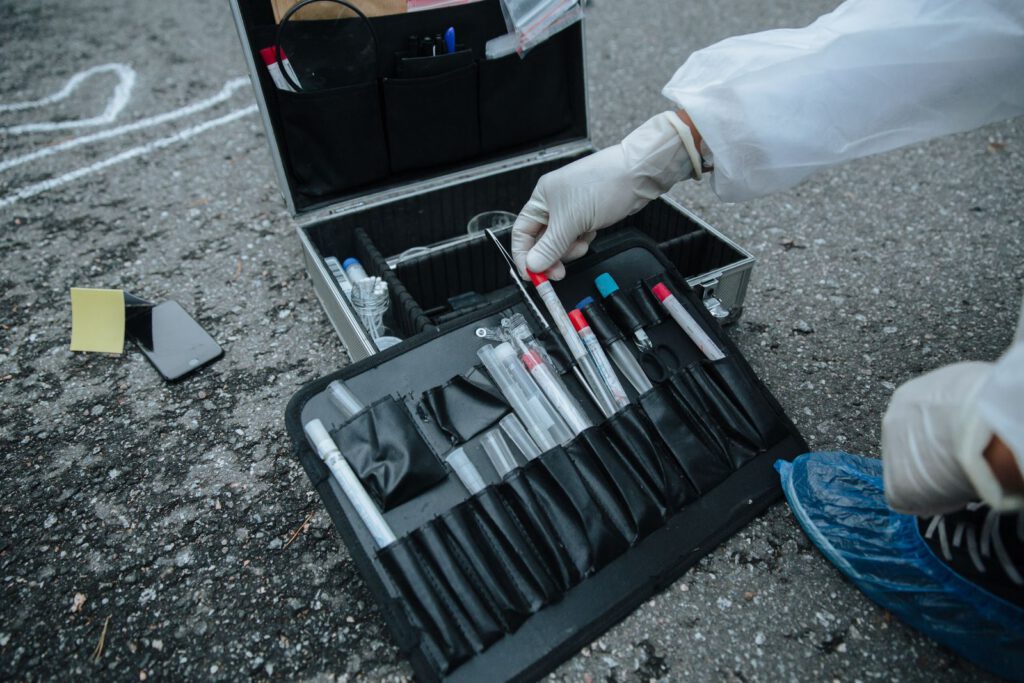
DNA evidence played an important role in solving the case. Police had some evidence from the crime scenes but could not find the person responsible at first. In 2016, police worked with scientists who used Y-chromosome testing and examined the suspect’s family history. This helped them identify a family and a region the suspect might be from. This method allowed police to examine the family members of the person who committed the crime. Later, a relative became a suspect during a crime investigation. Then scientists compared the DNA. Found a link to Gao. After that, a DNA test proved the connection. Police arrested Gao at a grocery store in Baiyin on 26 August 2016. This case shows how DNA evidence, family history information and regular police work can all help solve a case.
Motive and behavioural interpretation
The many times that sexual violence and murder happened show that sexual reasons and trying to control others were parts ofGao’ss actions. The fact that these crimes kept happening suggests his behaviour wasn’t a single event. The exact mental reasons he did these things can’t be known just by looking at the pattern of the crimes. To understand the criminal, look at behaviour supported by evidence rather than assigning a mental health diagnosis without real proof. His case also shows that someone who seems normal on the outside might still be hiding criminal actions.
Breakthrough: How he was caught
The big breakthrough came in 2016. That year, new advances in testing gave investigators a powerful tool. They began using family DNA to narrow their search. Before this, the murders had been connected through investigations. Regular DNA matching couldn’t point to Gao. Researchers looked at details tied to paternal heritage to find a possible family link. Police then checked relatives. Found clues that led them to Gao. A direct DNA match confirmed his identity. Police arrested him on 26 August 2016. His arrest ended an investigation that stayed open for 28 years. This step forward was crucial because family DNA testing alone did not prove he was guilty; it gave police a lead to find real evidence.
Legal outcome and forensic significance
Gao was found guilty of 11 murders and other related crimes. He was given the death penalty. Carried out on 3 January 2019. His case has become an example of how modern DNA methods have helped solve old cases. It shows the importance of revisiting old cases when new technology emerges and combining genetic research with regular police work. It also shows the difference between family DNA analysis, which can help point the investigation toward a family, and direct DNA comparison, which can provide proof connecting a person to biological material found during an investigation.
Where the legal industry reads first.
Enjoyed this article? Get the biggest legal industry updates, deals, appointments, insights and expert interviews in your inbox, free.
No spam. Unsubscribe anytime.From Legal Desire
Is your firm the one being cited, or the one being skipped?
We ran the test. On several everyday legal questions, software companies are answering and law firms are not. We help firms fix that, and we build the technology behind the practice.
Lawyers and firms: get featured on Legal Desire
Share your deals, lateral moves, firm news and insights with 1M+ monthly readers: founders, law firm partners, general counsel and practising lawyers across the US, UK, EU and GCC.
Get featuredSubmit a press release