

In the world of forensic science, we often look to DNA, fingerprints, or digital footprints to solve mysteries, but a groundbreaking shift in “Forensic Botany” is highlighting a much smaller ally: Moss. These tiny bryophytes lack traditional roots and instead absorb water and nutrients directly from their immediate environment. This unique biology makes them hyper-sensitive to their micro-habitat, allowing them to act as a biological “GPS.” Because mosses are so specialized, a specific species found on a suspect’s shoe can pinpoint exactly where they have been, often narrowing a search area down to just a few square feet.
The forensic relevance of moss extends beyond location to the critical element of timing. Because moss grows at predictable, steady rates, it can be used to estimate the Post-Mortem Interval (PMI). By analyzing the layers of moss growth on skeletal remains or undisturbed evidence, scientists can determine how long an object or body has been at a scene. In one landmark case, researchers used moss growth to date a skeleton back to 1929, proving that these plants are essentially living clocks that record the passage of time in damp, shaded environments.
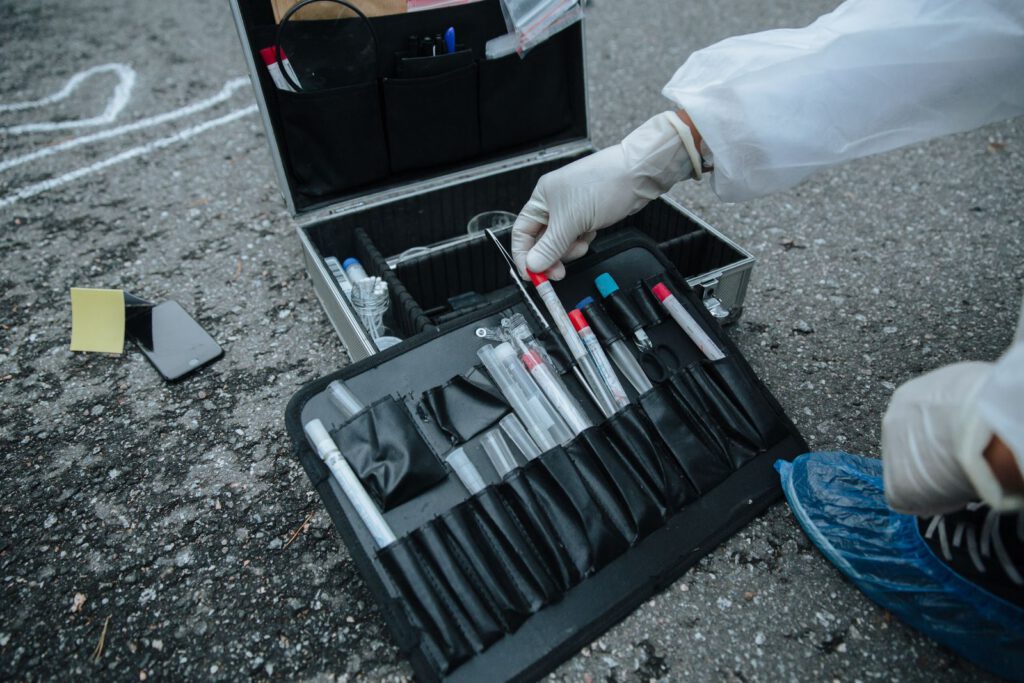
Despite this potential, botanical evidence is frequently overlooked by investigators who aren’t trained to see it. Researchers are now advocating for “crime scene botany” to become a standard part of forensic training, ensuring that even the smallest green fragments are collected with the same rigor as biological fluids. As technology improves our ability to analyze plant DNA and microscopic organisms living within moss, it is becoming clear that the smallest plant under a suspect’s boot may provide the most undeniable testimony in a court of law.
Frequently Asked Questions
How is moss used as forensic evidence?
A specific moss species found on a suspect, such as on their shoe, can pinpoint where they have been, often narrowing a search area to just a few square feet, because moss absorbs nutrients directly from its immediate surroundings.
Can moss help determine how long a body has been at a scene?
Yes, because moss grows at consistent rates, investigators can analyze its growth layers to help estimate the post mortem interval, as in one case where moss growth helped date a skeleton to 1929.
Where the legal industry reads first.
Enjoyed this article? Get the biggest legal industry updates, deals, appointments, insights and expert interviews in your inbox, free.
No spam. Unsubscribe anytime.From Legal Desire
Is your firm the one being cited, or the one being skipped?
We ran the test. On several everyday legal questions, software companies are answering and law firms are not. We help firms fix that, and we build the technology behind the practice.
Lawyers and firms: get featured on Legal Desire
Share your deals, lateral moves, firm news and insights with 1M+ monthly readers: founders, law firm partners, general counsel and practising lawyers across the US, UK, EU and GCC.
Get featuredSubmit a press release