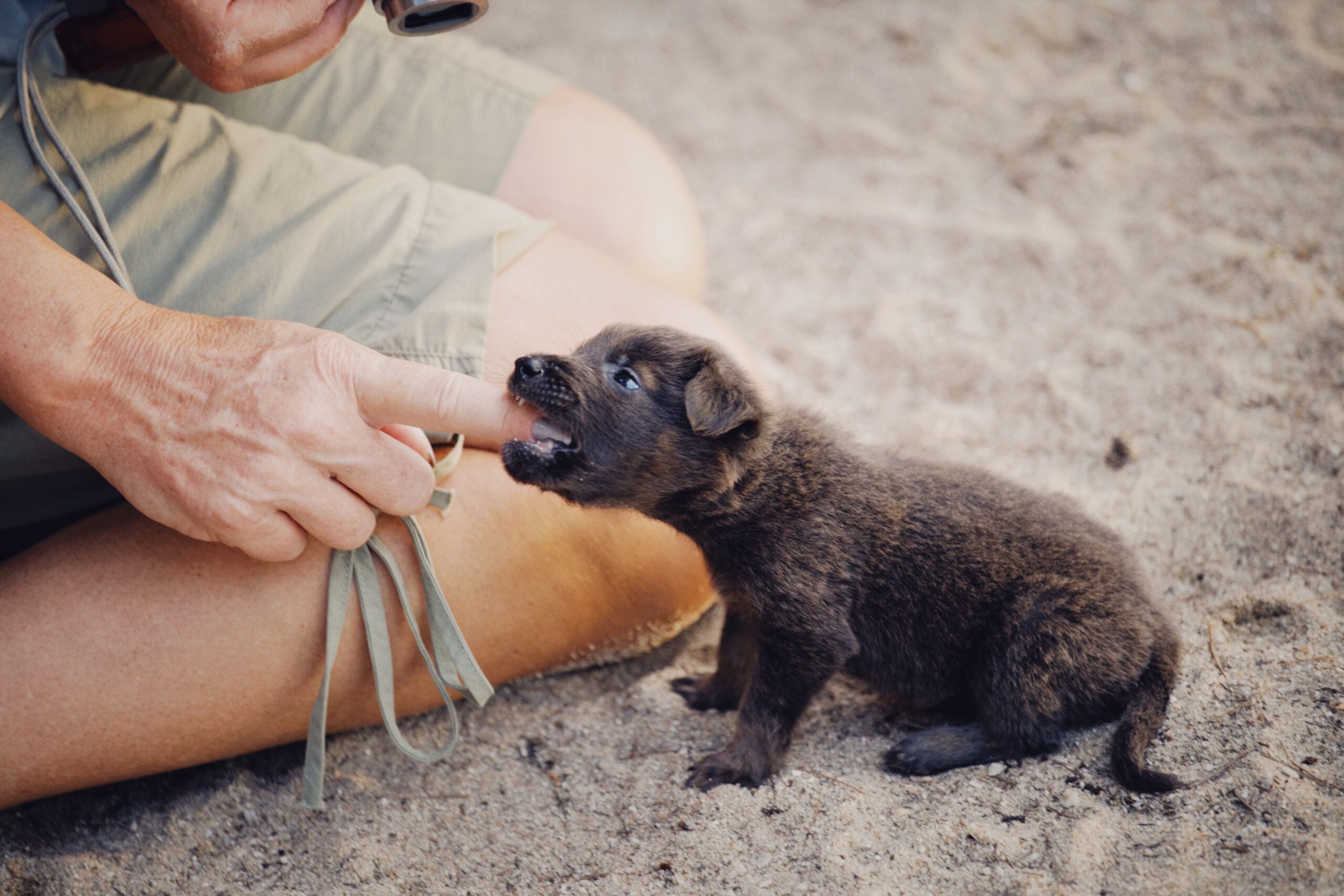
A dog bites you at a rental. First question everyone asks: who pays for this?
Most people guess wrong. They figure it’s the landlord, because the landlord owns the building and probably has money. Or they figure it’s nobody, because the dog belongs to some tenant who’s barely covering rent. Both guesses miss. The real answer is usually the dog owner, sometimes the landlord too, and almost always an insurance policy nobody mentioned to you. Let me untangle it.
The owner pays. Start there and stop overthinking it.
In Washington this is the easy part. RCW 16.08.040. The dog owner is liable if you had a right to be where you were when the dog got you. That’s basically it.
You don’t have to prove the dog was aggressive before. You don’t have to prove the owner was sloppy. You don’t have to prove anybody saw it coming. Their yard, the sidewalk, the shared stairwell, doesn’t matter where. If you were allowed to be there and the dog bit you, the owner owns the problem.
They call it strict liability. Compare that to a lot of other states still stuck on the “one bite” rule, where you’ve got to show the dog had a track record and the owner knew about it. Washington tossed that out for bites. Which is good for you, because it means you’re not building some elaborate case about what the owner should have known. The bite happened. You were allowed to be there. Owner’s on the hook.
So in most rental bites, that’s where your claim goes. Straight at the tenant with the dog.
The landlord only becomes interesting when the owner can’t cover the damage, or when the landlord did something that pulls them into it.
Now the landlord. This is where it gets messy.
People want the landlord liable. I get it. The landlord’s got the deeper pockets and the insurance. But no, the landlord doesn’t automatically eat a dog bite claim just because the dog lived on the property. And frankly that’s fair. A landlord can’t be expected to know every animal behind every door.
Two things have to be true at the same time before a landlord shares the blame:
- They knew a specific dog was dangerous.
- They had the power to do something and didn’t.
Both. Not one or the other.
Here’s what that looks like in real life. A tenant’s dog already bit the mail carrier back in the spring. Two neighbors sent written complaints to the office about it snapping at people in the hallway. The lease said management could kick out a dangerous animal. And the landlord? Sat on all of it. Then that same dog gets you. In that case, yeah, the landlord’s sharing the blame, because they knew and they could’ve acted.
Change one detail and it falls apart. No written complaints means you can’t prove they knew. No lease clause means they had no authority to remove the dog even if they wanted to. Pull either piece out and the whole thing drops back onto the dog owner alone.
Which is exactly why these cases turn into a hunt for paper. Somebody’s got to dig up the lease, the old complaints, the emails, the management notes, the insurance policies. Nobody hands that stuff over willingly. A Bellevue dog bite attorney with Premier Law Group does that kind of digging for a living, requesting records most people don’t even know exist. If you’re the type who checks a firm out before you dial, their Super Lawyers listing shows what they’ve been recognized for in Washington.
One thing people forget: where were you standing?
This matters more than it should.
Getting bitten inside someone’s apartment is one thing. Getting bitten in the hallway, the courtyard, the parking lot, the laundry room? Different story. Those are spaces the landlord controls and maintains. And landlords owe you a reasonably safe common area.
So if some aggressive dog was constantly running loose in that courtyard, and management knew, and there were no signs, no leash rule, nothing, that’s a second claim. Premises liability, sitting right on top of the strict liability claim against the owner. Two claims. Two possible sources of money.
Point being, remember exactly where you were when it happened. That detail can quietly double your options.
The boring part that decides your money
Here’s what nobody tells you up front. Almost no dog bite claim gets paid out of somebody’s checking account. It’s insurance. Always insurance.
A tenant’s renters policy usually covers dog injuries. Often $100,000 to $300,000 in liability coverage. If the landlord’s tangled up in it, their landlord or commercial policy might respond too. But read the fine print, because insurers pull tricks. Some exclude specific breeds outright. Some exclude animal liability altogether. So the wording of each policy, not the severity of your injury, decides what’s actually available.
That’s the whole reason you want every policy found early. One policy might have a breed exclusion that guts your recovery. A second one could be the thing that pays for your surgery. More policies on the table, more pockets to reach into. Simple as that.
Don’t downplay the injury
Couple stitches and you walk it off, right? No. Not always.
There’s research in the National Library of Medicine laying out the infection rates, the nerve damage, the tissue damage, the scarring, and the psychological side. Kids get hit hardest. Some carry a fear of dogs for years after.
Which is why your claim can’t end at the ER bill. Future treatment, plastic surgery for the scarring, counseling, it all belongs in the number. Settle cheap for the emergency room visit, then watch the real problems show up three months later, and you’re paying for those yourself. Don’t do that.
If it just happened to you, do this
First day or two shapes how strong your claim ends up. Move while it’s fresh.
- Same day. Even if it looks minor. Bites get infected at a rate that’ll surprise you.
- Report it to animal control. You want a record that lives somewhere other than your memory.
- Your wounds, the dog, the spot.
- The owner, the landlord or property manager, anyone who watched it happen.
- Ask if the dog’s rabies shots are current.
And don’t sit on it
This is the one people blow.
Three years. That’s your window in Washington to file a personal injury suit, under RCW 4.16.080. Miss it and your case is dead, no matter how strong it was. Evidence doesn’t matter after that. The deadline doesn’t care.
Three years feels like forever right up until treatment drags on and you keep telling yourself you’ll deal with it next month. Then it’s gone.
So, bottom line
Owner’s liable almost every time in Washington, because strict liability makes it that way. Landlord only gets pulled in when they knew about a dangerous dog and could’ve stopped it. Where you got bitten might hand you a second claim. Insurance is what actually pays, so find all of it. And the clock’s running the second the dog lets go.
Get your records together and make the call before three years turns your whole case into nothing.
Where the legal industry reads first.
Enjoyed this article? Get the biggest legal industry updates, deals, appointments, insights and expert interviews in your inbox, free.
No spam. Unsubscribe anytime.From Legal Desire
Is your firm the one being cited, or the one being skipped?
We ran the test. On several everyday legal questions, software companies are answering and law firms are not. We help firms fix that, and we build the technology behind the practice.
Lawyers and firms: get featured on Legal Desire
Share your deals, lateral moves, firm news and insights with 1M+ monthly readers: founders, law firm partners, general counsel and practising lawyers across the US, UK, EU and GCC.
Get featuredSubmit a press release