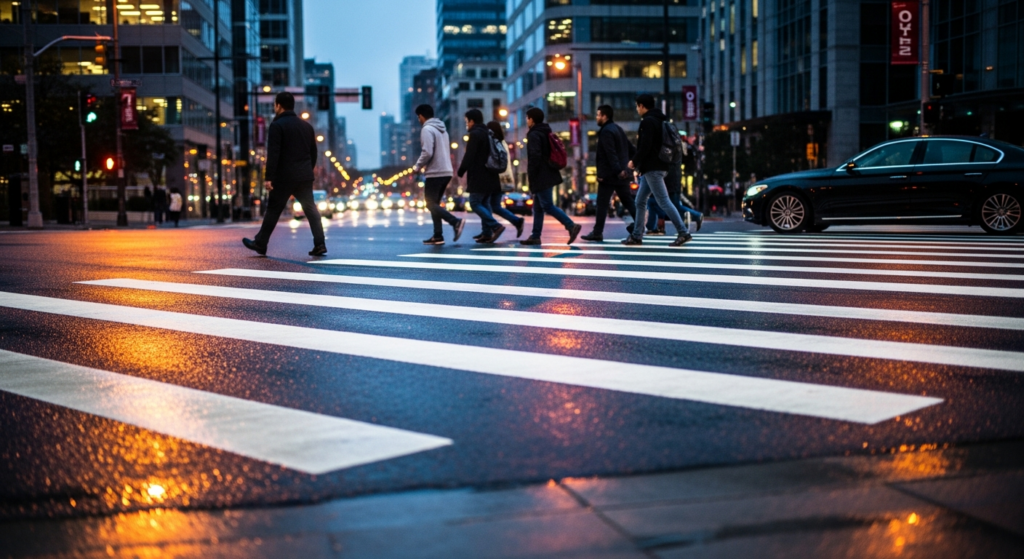


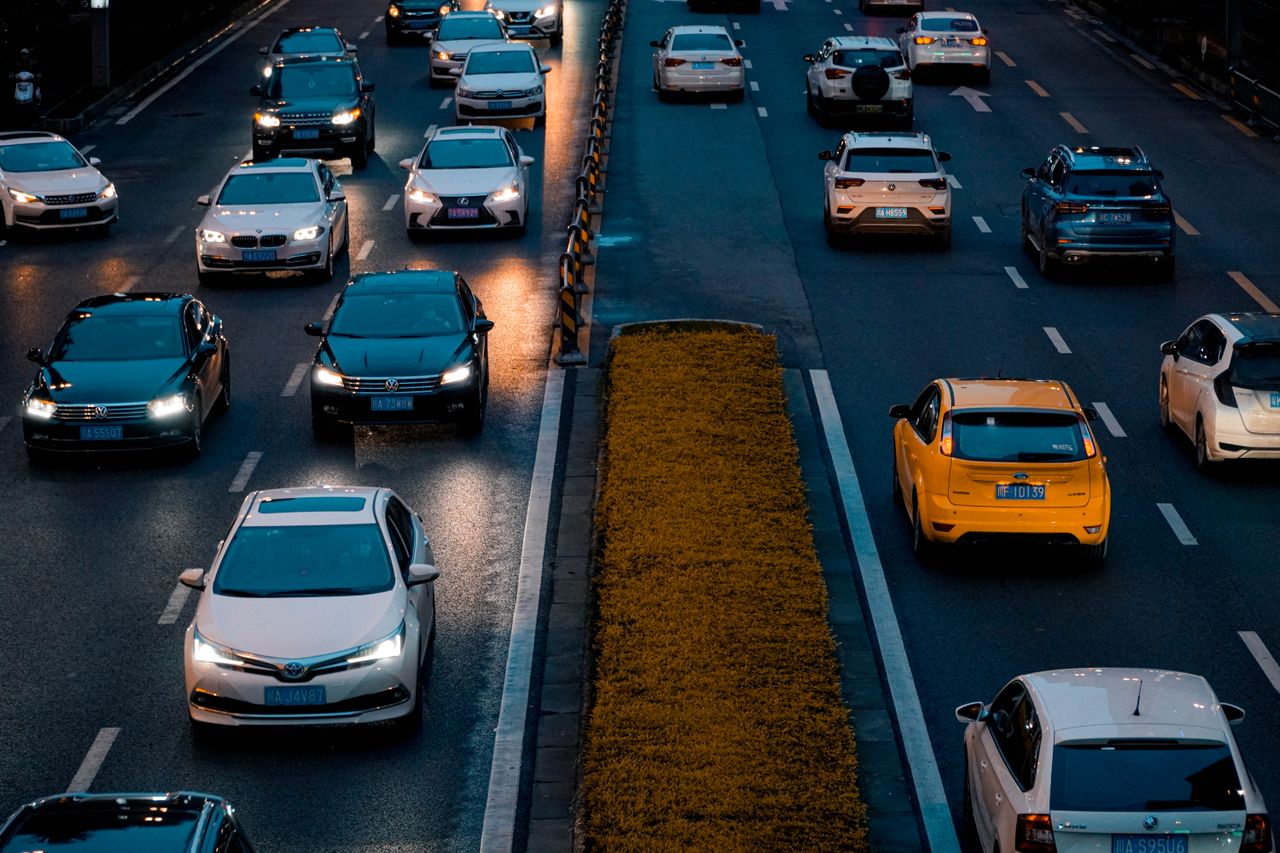
One car crash feels random. A driver looks away for a second, a light turns yellow at the wrong moment, and two strangers suddenly share the worst day of their week. In the moment, it seems like pure, random bad luck.
Zoom out, though, and the picture changes completely. Stack thousands of collisions side by side, and the randomness starts to fade. The same busy intersections show up again and again. So do the same hours, the same mistakes, and the same weather conditions.
That’s the quiet power of car crash statistics. Individually, every crash tells a personal story. Together, they reveal patterns in how people actually drive, where roads fail them, and which everyday habits keep putting drivers, passengers, and pedestrians in harm’s way across a busy desert city.
Why Accidents Often Follow Predictable Patterns
Crashes cluster for a reason. Speed is one of the biggest factors, because it shrinks reaction time and multiplies impact forces. Physics is unforgiving. Roads where drivers routinely go faster than conditions allow tend to show up in collision data over and over.
Traffic volume matters too. More cars simply mean more chances for something to go wrong, especially where vehicles merge, turn, or cross paths. Busy corridors naturally generate more crashes, though the rate per vehicle can tell a very different story than raw totals.
Intersection design and driver habits round out the picture. Wide intersections with long crossing distances, unprotected left turns, and short yellow lights create repeated conflict points. When thousands of drivers make the same risky choice in the same spot, patterns stop looking like coincidence.
The Surprising Role of Time and Human Fatigue
Time of day shapes risk in predictable ways. Morning and evening rush hours pack roads with commuters, many of them rushed, stressed, or distracted. Everyone’s in a hurry. Stop-and-go traffic breeds rear-end collisions, while impatient lane changes cause sideswipes and fender benders.
Nighttime brings different dangers. Visibility drops, pedestrians become harder to see, and drivers are more likely to be tired. Fatigue slows reaction time and dulls judgment in ways that can resemble impairment, yet many drivers never truly recognize how drowsy they actually are.
Impaired driving tends to spike late at night and on weekends. Alcohol and drugs make crashes more likely and more severe, especially when combined with speed. Crash data often clearly reflects those late-night peaks, showing how timing and human behavior work together to raise risk.
How Phoenix’s Environment Creates Unique Driving Challenges
Phoenix throws some unusual curveballs at drivers. Summer heat routinely tops 110 degrees, which can badly strain tires, batteries, and cooling systems. Blowouts and breakdowns on hot pavement may create sudden hazards, though how often heat directly causes crashes depends on local data.
Sun glare is a real everyday challenge. The city’s grid layout means many major roads run east and west, so drivers heading into sunrise or sunset can be temporarily blinded. Glare can hide brake lights, traffic signals, and pedestrians stepping into crosswalks.
Wide arterial roads add another layer. Multi-lane streets with high speed limits invite fast driving, and long blocks can tempt pedestrians to cross midblock. Monsoon storms and sudden dust can also slash visibility in seconds. Local crash data helps separate plausible risks from confirmed patterns.
What Crash Data Can Reveal About Dangerous Driving Habits
Official crash reports often record contributing factors, and certain behaviors show up again and again. Speeding consistently ranks near the top, because it turns small mistakes into serious collisions and leaves drivers with far less time to react. It shows up everywhere.
Distraction is another frequent culprit. Phones, navigation screens, food, and conversations all pull attention away from the road. Even a two-second glance can mean traveling a long distance blind, which explains why distracted driving appears so often in collision records. Phones top the list.
Failure to yield and unsafe turns round out many reports. Drivers who misjudge gaps in traffic, roll through stop signs, or make left turns without enough room cause crashes at busy intersections all across the city. Those repeated patterns point to habits worth changing.
Conclusion
A single crash can feel like a random accident, but thousands of them tell a much clearer story. Collision data reveals where, when, and why crashes keep happening, exposing the habits and conditions that put people at risk every day. Patterns don’t lie.
Speed, heavy traffic volume, intersection design, fatigue, and impairment all play recurring roles. Here in Phoenix, extreme heat, blinding glare, wide arterial roads, and sudden monsoon weather add their own challenges, making local data especially valuable for identifying real risks. Local context matters.
The good news is that patterns can be changed. Drivers can slow down, put phones away, and stay alert at intersections. Engineers can redesign dangerous roads using real evidence. Every single pattern spotted in the data is a chance to prevent the next crash.
Where the legal industry reads first.
Enjoyed this article? Get the biggest legal industry updates, deals, appointments, insights and expert interviews in your inbox, free.
No spam. Unsubscribe anytime.From Legal Desire
Is your firm the one being cited, or the one being skipped?
We ran the test. On several everyday legal questions, software companies are answering and law firms are not. We help firms fix that, and we build the technology behind the practice.
Lawyers and firms: get featured on Legal Desire
Share your deals, lateral moves, firm news and insights with 1M+ monthly readers: founders, law firm partners, general counsel and practising lawyers across the US, UK, EU and GCC.
Get featuredSubmit a press release