

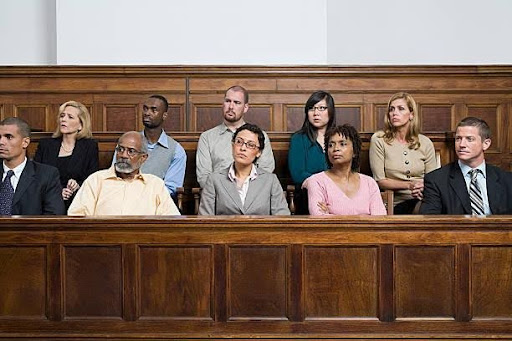
You may be excused from jury duty in certain situations, including serious medical conditions, significant financial hardship, caregiving responsibilities, or other circumstances recognized by the court. However, being excused is not automatic, and individuals usually need to request an exemption or postponement and provide appropriate information to support their situation.
Many people receiving a jury summons wonder, “What happens if I don’t show up for jury duty?” especially when attending creates challenges with work, health, or family responsibilities. However, ignoring a summons without court approval may result in penalties or additional legal requirements.
Jury service is a legal responsibility, but courts recognize that certain circumstances can make participation difficult or impossible. Knowing the valid reasons that may qualify for an excuse can help individuals respond properly instead of failing to appear.
Understanding Jury Duty Requirements
Jury duty allows citizens to participate in the legal system by helping determine the outcome of court cases. When a person receives a jury summons, they are generally required to respond and appear on the assigned date unless they receive permission to be excused or rescheduled.
For federal jury service, 28 U.S.C. §1866 outlines procedures for jury summonses, excuses, postponements, and the responsibilities of prospective jurors, including how courts handle requests to be excused from service. The rules for exemptions and postponements vary depending on the court and location. A person who cannot serve should follow the instructions provided with their summons and contact the court rather than assuming they are automatically exempt.
The United States Courts provide information about federal jury service, including how jury selection works and what individuals should know after receiving a summons.
Medical Reasons That May Excuse You from Jury Duty
Health-related issues are among the most common reasons people request to be excused from jury service. A serious illness, medical condition, disability, or physical limitation that prevents someone from participating may qualify for an exemption or postponement.
Courts may require documentation from a healthcare provider explaining why jury service would create a hardship. Temporary medical issues may result in a delayed service date rather than a permanent excuse, depending on the circumstances.
Financial or Work-Related Hardships
Missing work for jury duty can create challenges for some individuals, particularly those who are self-employed, do not receive paid leave, or would experience significant financial difficulty by attending.
However, employment alone does not always guarantee an excuse. Courts typically consider whether jury service would create an extreme hardship rather than a general inconvenience. Individuals facing financial concerns should explain their situation and follow the court’s process for requesting relief.
Family and Caregiving Responsibilities
People who provide essential care for children, elderly relatives, or individuals with medical needs may be able to request an excuse or postponement. Courts may consider situations where no reasonable alternative care arrangement is available.
Caregiving responsibilities are evaluated based on the specific circumstances. Providing details about the responsibility and any challenges with finding replacement care can help the court understand the hardship involved.
Other Circumstances That May Qualify
Additional situations may also be considered depending on court rules. These may include active military service, certain age-based exemptions, significant travel conflicts, or other circumstances that make attending jury duty impractical.
Because eligibility requirements differ between jurisdictions, individuals should review the information provided with their summons or contact the court directly to determine whether their situation qualifies.
What Happens If You Ignore a Jury Summons?
The consequences of failing to appear for jury duty can vary depending on the court and location. In the federal court system, 28 U.S.C. §1864 and related provisions governing jury service authorize courts to enforce jury summonses and address situations in which prospective jurors fail to comply with their legal obligations.
The appropriate response is to contact the court as soon as possible if you cannot attend. Courts are generally more likely to consider a request for an excuse or postponement when individuals communicate their situation rather than simply failing to appear.
Key Takeaways
- Courts may excuse individuals from jury duty for valid reasons such as medical issues, serious hardship, or caregiving responsibilities.
- Receiving a jury summons does not mean every person is automatically required to serve immediately without exceptions.
- Requests for exemptions or postponements usually require contacting the court and providing supporting information.
- Ignoring a jury summons without approval may result in penalties or additional legal requirements.
- Following the court’s instructions is the best way to address difficulties with jury service.
Where the legal industry reads first.
Enjoyed this article? Get the biggest legal industry updates, deals, appointments, insights and expert interviews in your inbox, free.
No spam. Unsubscribe anytime.From Legal Desire
Is your firm the one being cited, or the one being skipped?
We ran the test. On several everyday legal questions, software companies are answering and law firms are not. We help firms fix that, and we build the technology behind the practice.
Lawyers and firms: get featured on Legal Desire
Share your deals, lateral moves, firm news and insights with 1M+ monthly readers: founders, law firm partners, general counsel and practising lawyers across the US, UK, EU and GCC.
Get featuredSubmit a press release