


Last updated: 8 November 2026. Figures are from the National Conference of Bar Examiners (NCBE): its UBE jurisdiction list, minimum score and maximum score age tables, score transcript page and NextGen adoption table (last updated 6 November 2026), and its individual jurisdiction pages, all read on 8 November 2026. Bar admission rules change, so confirm your position with the admitting authority before you apply.
Short answer: The UBE bar exam is a two-day test made up of the Multistate Bar Exam (50%), the Multistate Essay Exam (30%) and two Multistate Performance Test tasks (20%), scored out of 400. NCBE lists 42 jurisdictions that adopted it, 35 of which still give it. A score can move to another UBE jurisdiction if it meets that jurisdiction’s passing score and age limit.
Key takeaways
- Each jurisdiction sets its own minimum passing score, from 260 to 270. A score that failed in the state where you tested can still be accepted elsewhere if it meets the higher bar there.
- Transferred scores expire. NCBE’s table shows limits from two years (North Dakota, Rhode Island) to five years (Texas, Ohio, Missouri and seven others).
- To transfer, you order an Official Bar Exam Score Transcript through your NCBE Account. NCBE charges $30 per transcript and does not give refunds.
- The legacy UBE is being replaced. The NextGen UBE started in July 2026 in 10 jurisdictions, and the last legacy exam is due in February 2028.
What is the UBE bar exam?
The Uniform Bar Examination (UBE) is a bar exam coordinated by NCBE that is “uniformly administered, graded, and scored” in every jurisdiction that adopts it. Because the exam is the same everywhere, the result is a portable score that can be used to seek admission in other UBE jurisdictions. According to NCBE’s description of the UBE, it has three parts:
| Component | Format | When | Weight in UBE score |
|---|---|---|---|
| Multistate Bar Examination (MBE) | 200 multiple-choice questions over six hours (175 scored, 25 unscored pretest questions) | Last Wednesday of February and July | 50% |
| Multistate Essay Examination (MEE) | Six 30-minute essay questions | The Tuesday before | 30% |
| Multistate Performance Test (MPT) | Two 90-minute practical tasks | The Tuesday before | 20% |
NCBE scores the MBE. Each jurisdiction grades the MEE and MPT answers, and NCBE then scales those written scores to the MBE and calculates the total on a 400-point scale. Jurisdictions still decide who may sit the exam, set educational requirements, make character and fitness decisions and set their own retake policies.
The exam comes at the end of a long path. If you are earlier on, our guide to how long law school takes and the route to bar admission sets out the timeline, and our overview on understanding the bar exam covers the basics.
Which states use the UBE in 2026?
NCBE’s list of UBE jurisdictions names 42 jurisdictions with the date each first gave the exam, from Missouri and North Dakota in February 2011 to Wisconsin in July 2026.
Not all 42 still give it. Seven of them, Connecticut, Idaho, Maryland, Missouri, Oregon, Washington and the US Virgin Islands, gave their last legacy UBE in February 2026 and moved to the NextGen UBE in July 2026. NCBE’s current UBE map therefore marks 35 jurisdictions as giving the UBE. The seven that switched still accept transferred legacy UBE scores, according to their NCBE jurisdiction pages.
The table shows all 42, with NCBE’s minimum passing score, the maximum age of a transferred score and the date each plans to start the NextGen exam.
| Jurisdiction | Minimum UBE score | Maximum age of transferred score | First NextGen UBE |
|---|---|---|---|
| Alabama | 260 | 25 months | July 2028 |
| Alaska | 270 | 5 years | July 2028 |
| Arizona | 270 | 5 years | July 2027 |
| Arkansas | 270 | 3 years | Not adopted |
| Colorado | 270 | 3 years/5 years | July 2028 |
| Connecticut | 266 | 5 years | July 2026 |
| District of Columbia | 266 | 5 years | February 2028 |
| Idaho | 266 | 37 months | July 2026 |
| Illinois | 266 | 4 years | February 2028 |
| Indiana | 264 | 5 years | July 2028 |
| Iowa | 260 (266 before July 2026) | 2 years/5 years | July 2027 |
| Kansas | 266 | 5 years | July 2028 |
| Kentucky | 266 | 5 years | July 2027 |
| Maine | 270 | 3 years | July 2028 |
| Maryland | 266 | 3 years | July 2026 |
| Massachusetts | 270 | 3 years | July 2028 |
| Michigan | 268 | 3 years | July 2028 |
| Minnesota | 260 | 3 years | July 2027 |
| Missouri | 260 | 5 years | July 2026 |
| Montana | 266 | 3 years | February 2028 |
| Nebraska | 270 | 3 years | July 2027 |
| New Hampshire | 270 | 3 years/5 years | July 2028 |
| New Jersey | 266 | 3 years | July 2028 |
| New Mexico | 260 | 3 years | July 2027 |
| New York | 266 | 3 years | July 2028 |
| North Carolina | 270 | 3 years | July 2028 |
| North Dakota | 260 | 2 years | July 2027 |
| Ohio | 270 | 5 years | July 2028 |
| Oklahoma | 260 | 3 years | July 2027 |
| Oregon | 270 | 3 years | July 2026 |
| Pennsylvania | 270 | 30 months | July 2028 |
| Rhode Island | 270 | 2 years | July 2028 |
| South Carolina | 266 | 3 years | July 2028 |
| Tennessee | 270 | 3 years/5 years | July 2027 |
| Texas | 270 | 5 years | July 2028 |
| Utah | 260 | 3 years/5 years | July 2028 |
| Vermont | 270 | 3 years/5 years | July 2027 |
| Washington | 266 | 40 months | July 2026 |
| West Virginia | 270 | 3 years | July 2028 |
| Wisconsin | 260 | 36 months | July 2028 |
| Wyoming | 270 | 3 years/5 years | July 2027 |
| US Virgin Islands | 266 | 3 years | July 2026 |
Sources: NCBE’s minimum passing scores and maximum score age tables, and its NextGen adoption table. Wisconsin is not yet on the two score tables, so its figures come from NCBE’s Wisconsin page. Where NCBE shows two age limits, such as “3 years/5 years”, the jurisdiction’s own rule says which one applies to you. NCBE’s Washington page lists 260 as the minimum transferred legacy score, which differs from the 266 in its main table, so check with the Washington State Bar Association.

How does UBE score portability work?
NCBE’s score portability guidance sets out the main rules:
- The receiving jurisdiction’s passing score applies. UBE jurisdictions accept transferred scores that meet their own passing standard “whether or not the score met the passing standard in the testing jurisdiction”. A 264 that failed in Texas (270) would meet Minnesota’s 260, for example, if everything else is in order.
- The score must be within the age limit. Each jurisdiction sets the period in which a transferred score must have been earned, shown in the table above.
- All parts must be taken together. To earn a portable score you must take the MEE, MPT and MBE “in the same UBE jurisdiction and in the same exam administration”. Combining an MBE from one state with essays from another does not produce a UBE score.
- Older non-UBE exams do not count. If you sat the MBE, MEE and MPT in a state before it adopted the UBE, that result is not a UBE score.
- Admission is still a separate application. You must apply to the new jurisdiction and pass its character and fitness review, and NCBE says each jurisdiction makes its own decision.
- Some states add a local law test. NCBE’s local components page lists 15 UBE jurisdictions that require a jurisdiction-specific component before admission, including New York, Texas, Massachusetts, Michigan and Washington.
How do you transfer a UBE score, and what does it cost?
NCBE automatically reports your score to the jurisdiction where you took the exam. To send it anywhere else, you request an Official Bar Exam Score Transcript. According to NCBE’s score transcript page:
- Log in to your NCBE Account, or create one, and go to the Score Services page.
- Select “Request Bar Exam Score Service” and choose the receiving jurisdiction.
- Pay the $30 fee for each transcript, online by MasterCard or Visa. Paying by cheque is possible but “may significantly delay the processing of your request”, and refunds “will not be provided for any reason”.
- NCBE ordinarily processes requests the next business day after payment and sends the transcript directly to the jurisdiction, not to you.
The transcript includes your full history of legacy UBE and NextGen UBE scores, plus MBE scores from the last seven years where the testing jurisdiction allows. Scores only appear after the testing jurisdiction has announced results and authorised their release. Apply to the new jurisdiction separately, and check its own application fee and deadlines.
What happens to the UBE with the NextGen bar exam?
NCBE’s implementation timeline put the first NextGen administration in the third quarter of 2026 and the “final administration of MBE, MEE, and MPT” in the first quarter of 2028. The remaining legacy UBE dates on NCBE’s site are 23 and 24 February 2027, 27 and 28 July 2027, and 22 and 23 February 2028.
The NextGen adoption table, last updated on 6 November 2026, shows 10 jurisdictions that gave the first NextGen exam in July 2026: the seven former UBE users above plus Guam, the Northern Mariana Islands and Palau. Twelve more start in July 2027, four in February 2028, and most of the rest, including New York, Texas, California and Florida, in July 2028.
The new exam is scored on a 500 to 750 scale, and NCBE says most jurisdictions have set NextGen passing scores between 610 and 620. NCBE warns that legacy and NextGen scores “should not be compared directly”. Many legacy UBE jurisdictions already accept transferred NextGen scores from July 2026, among them Texas, Illinois, Pennsylvania and Massachusetts at 620. Florida and New York will not accept NextGen transfer scores earned before July 2028.
For a candidate in 2026 or 2027, the practical point is timing. If you plan to sit the legacy UBE in a state that switches soon, check that the receiving jurisdiction will still accept a legacy score when you apply. Our full guide to the NextGen bar exam covers the first results and format, and our report on the chief justices’ call for bar exam alternatives covers the wider debate about licensing.
Which states do not use the UBE?
Several large jurisdictions never adopted the UBE and write their own exams, though most use parts of NCBE’s material. None of those below accepts a transferred legacy UBE score, according to NCBE’s jurisdiction pages.
| Jurisdiction | NCBE exams used now | NextGen plans |
|---|---|---|
| California | MBE and MPRE, with a state-drafted exam | July 2028 |
| Florida | MBE and MPRE, with a state-drafted exam | July 2028; accepts NextGen transfers from July 2028 |
| Georgia | MBE, MPT and MPRE | July 2028 |
| Virginia | MBE and MPRE | July 2028 |
| Delaware | MBE, MPT and MPRE | February 2028 |
| Hawaii | MBE, MEE, MPT and MPRE | July 2028 |
| Mississippi | MBE, MEE, MPT and MPRE | Adopted, date to be decided |
| South Dakota | MBE, MEE, MPT and MPRE | July 2027; already accepts NextGen transfers at 620 |
| Louisiana | MPRE only | Not adopted |
| Nevada | MBE and MPRE | Not adopted |
| Puerto Rico | None listed | Not adopted |
Hawaii, Mississippi and South Dakota give all three NCBE components but are not UBE jurisdictions, so a result from those states is not portable as a UBE score. Some of these jurisdictions accept a transferred MBE score; NCBE’s page for each one says whether.
Frequently asked questions
How many states use the UBE bar exam?
NCBE lists 42 jurisdictions that have adopted the UBE. As of November 2026, 35 still give it, because Connecticut, Idaho, Maryland, Missouri, Oregon, Washington and the US Virgin Islands moved to the NextGen UBE in July 2026. Those seven still accept transferred legacy UBE scores.
What is a passing UBE score?
Each jurisdiction sets its own. NCBE’s table shows minimums of 260 (for example Minnesota, Missouri and New Mexico), 264 (Indiana), 266 (for example New York and Illinois), 268 (Michigan) and 270 (for example Texas, Massachusetts and Pennsylvania), on a 400-point scale.
How long is a UBE score valid for transfer?
It depends on the receiving jurisdiction. NCBE’s table runs from two years in North Dakota and Rhode Island to five years in ten jurisdictions including Texas, Ohio and the District of Columbia. Many, including New York, use three years.
How much does it cost to transfer a UBE score?
NCBE charges $30 for each Official Bar Exam Score Transcript, paid by MasterCard or Visa or by cheque, with no refunds. The receiving jurisdiction charges its own admission application fee on top, which varies by state.
When does the legacy UBE end?
NCBE’s timeline puts the final administration of the MBE, MEE and MPT in the first quarter of 2028, and its test calendar lists 22 and 23 February 2028 as the last legacy UBE dates. The NextGen UBE began in July 2026.
Does California use the UBE?
No. California writes its own bar exam and, according to NCBE, does not accept transferred legacy UBE scores. It uses the MBE and MPRE from NCBE and has said it intends to give the NextGen UBE from July 2028.
This article is general information about bar admission as of 8 November 2026. It is not legal or admissions advice. Passing scores, score age limits and transfer rules change, so check with the bar admission authority in each jurisdiction before you rely on them.
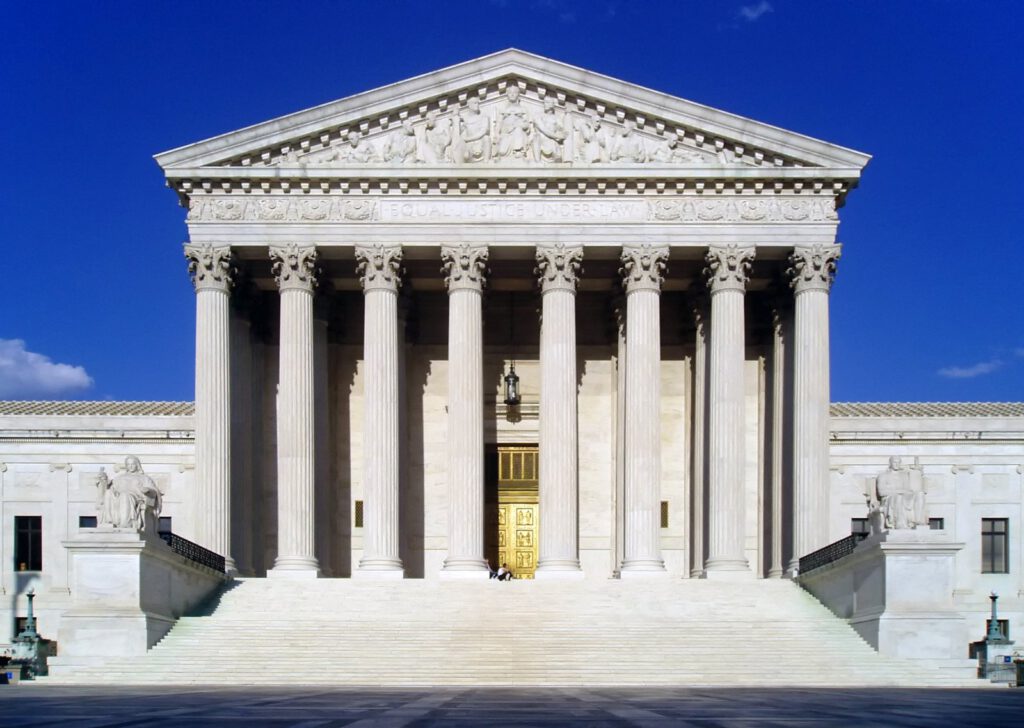
Featured image: Photo: This And No Internet 25 via Pexels
Where the legal industry reads first.
Enjoyed this article? Get the biggest legal industry updates, deals, appointments, insights and expert interviews in your inbox, free.
No spam. Unsubscribe anytime.From Legal Desire
Is your firm the one being cited, or the one being skipped?
We ran the test. On several everyday legal questions, software companies are answering and law firms are not. We help firms fix that, and we build the technology behind the practice.
Lawyers and firms: get featured on Legal Desire
Share your deals, lateral moves, firm news and insights with 1M+ monthly readers: founders, law firm partners, general counsel and practising lawyers across the US, UK, EU and GCC.
Get featuredSubmit a press release