
Safety inspections are one of the most effective ways to prevent workplace accidents. The purpose is to help employers identify risks, maintain equipment, and create a safer environment for anyone on the property. Some businesses perform inspections infrequently, rush through them, or ignore the problems they uncover. This behavior increases the likelihood of injuries and accidents.
Inadequate safety inspections sometimes lead to preventable workplace injuries. When this occurs, it’s common for an employee to seek the help of a work injury lawyer.
Inadequate Safety Inspections Put Workers at Risk
Skipping safety inspections or performing inspections carelessly allows dangerous conditions to go unnoticed. One of the biggest concerns involves faulty equipment.
Machines, forklifts, ladders, scaffolding, conveyors, and power tools experience wear through daily use. Without routine inspections, this equipment may become faulty without anyone noticing.
Something as simple as a broken machine guard, worn brake system, or damaged electrical cord may cause a serious accident. Slip and fall hazards also become more common when inspections are inadequate.
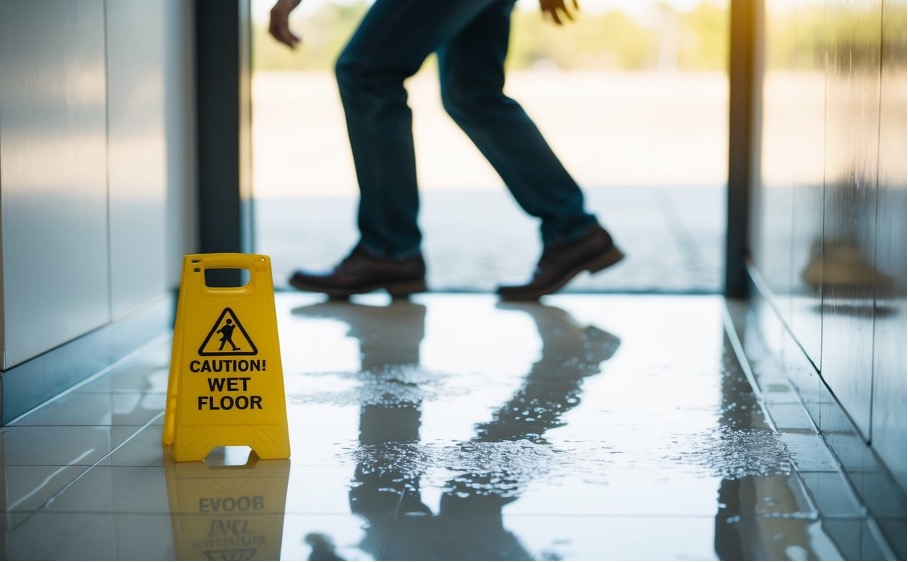
Wet floors, loose carpeting, uneven walking surfaces, and cluttered work areas increase the risk of falls. These accidents often result in broken bones, head injuries, back injuries, or long-term disabilities. Routine inspections allow employers to identify these hazards before someone gets hurt.
Electrical hazards present another significant danger. Frayed wiring, overloaded circuits, and damaged outlets increase the risk of electrocution and fires.
Some workplace dangers are less visible than broken equipment or damaged flooring. Employees in manufacturing plants, laboratories, and industrial facilities may work around hazardous chemicals.
Toxic fumes, excessive dust, and dangerous noise levels are a threat as well. Without proper inspections, these conditions may expose workers to health risks for months or even years. This contributes to occupational illnesses that develop slowly.
Safety inspections also help ensure that emergency equipment remains functional. Fire extinguishers, emergency exits, sprinkler systems, and first aid supplies require regular inspection. During an emergency, equipment that doesn’t work properly may fail when workers need it most.
Inadequate inspections may also allow unsafe work practices to continue. Employees sometimes develop shortcuts that increase productivity but create risks.
Routine inspections give supervisors opportunities to identify unsafe behaviors. This is also a chance to reinforce proper procedures and provide additional training when needed.
Many workplace accidents result from problems that seemed minor at first. A loose handrail, leaking pipe, or missing warning sign may appear insignificant. But when these things lead to an accident or injury, everyone sees how serious it is.
The Consequences of Poor Safety Inspections
An increase in workplace injuries is the most obvious consequence of inadequate safety inspections. Employees may suffer cuts, burns, fractures, or other serious conditions. An employee may require extensive medical treatment and rehabilitation.
Some injuries have lasting effects that extend well beyond the initial accident. Workers may experience chronic pain, permanent disabilities, or an inability to return to their job. These injuries affect the employee, their family, and their financial stability.
Businesses may deal with significant financial consequences when accidents occur. Workplace injuries often result in workers’ compensation claims, medical expenses, and higher insurance premiums.
Businesses may also face expensive equipment repairs, production delays, and lost productivity. In many cases, preventing hazards with safety inspections costs far less than responding to an accident after it happens.
If an accident is serious enough, it may attract the attention of the government. Federal and state safety agencies establish workplace standards to protect employees. If investigators determine an employer failed to maintain safe working conditions, the company may face citations, fines, or worse.
Employee morale also suffers in unsafe workplaces. Concerns about unsafe conditions may increase stress, reduce job satisfaction, and contribute to higher employee turnover. Recruiting and retaining qualified workers becomes more difficult when a company develops a reputation for poor safety.
Unsafe workplaces can also damage customer confidence and business relationships. Companies known for poor safety may struggle to remain in business. Clients and business partners prefer organizations that care about workplace safety.
There are also possible legal complications. Accident investigations look into the occurrence of safety inspections. Missing inspection records may become important issues during legal proceedings.
Why Regular Safety Inspections Matter
Safety inspections play a major part in reducing workplace hazards. The Occupational Safety and Health Administration reports that routine inspections may lower workplace injury rates by as much as 30%.
Safety inspections are a proactive way to catch problems in the workplace. Businesses should schedule safety inspections based on government regulations, industry standards, and the conditions within their workplaces.
An effective inspection is much more than a quick walk through. Employers should carefully check the following:
– Electrical systems
– Emergency exits
– Protective equipment
– Walking surfaces
– Storage areas
– Other potential hazards
Inspections should also include written documentation. This documentation should record problems, recommend corrective action, and confirm that repairs were completed.
Encouraging employees to report hazards can help as well. Workers often notice hazards long before management becomes aware of them. Encouraging employees to report concerns helps identify problems between inspections and allows employers to respond more quickly.
Safety training is also a good idea in addition to safety inspections. All employees should know how to safely operate any equipment that they’re required to use. It also helps for them to know how to safely use other equipment in the vicinity.
No workplace can eliminate every risk. But consistent inspections reduce the likelihood of preventable accidents. There’s no downside to prioritizing workplace safety. Failing to do so may lead to an injured employee seeking the help of a work injury lawyer. For more information about workplace safety and injury claims, Work Injury Advisor can be an excellent resource.
Where the legal industry reads first.
Enjoyed this article? Get the biggest legal industry updates, deals, appointments, insights and expert interviews in your inbox, free.
No spam. Unsubscribe anytime.From Legal Desire
Is your firm the one being cited, or the one being skipped?
We ran the test. On several everyday legal questions, software companies are answering and law firms are not. We help firms fix that, and we build the technology behind the practice.
Lawyers and firms: get featured on Legal Desire
Share your deals, lateral moves, firm news and insights with 1M+ monthly readers: founders, law firm partners, general counsel and practising lawyers across the US, UK, EU and GCC.
Get featuredSubmit a press release