

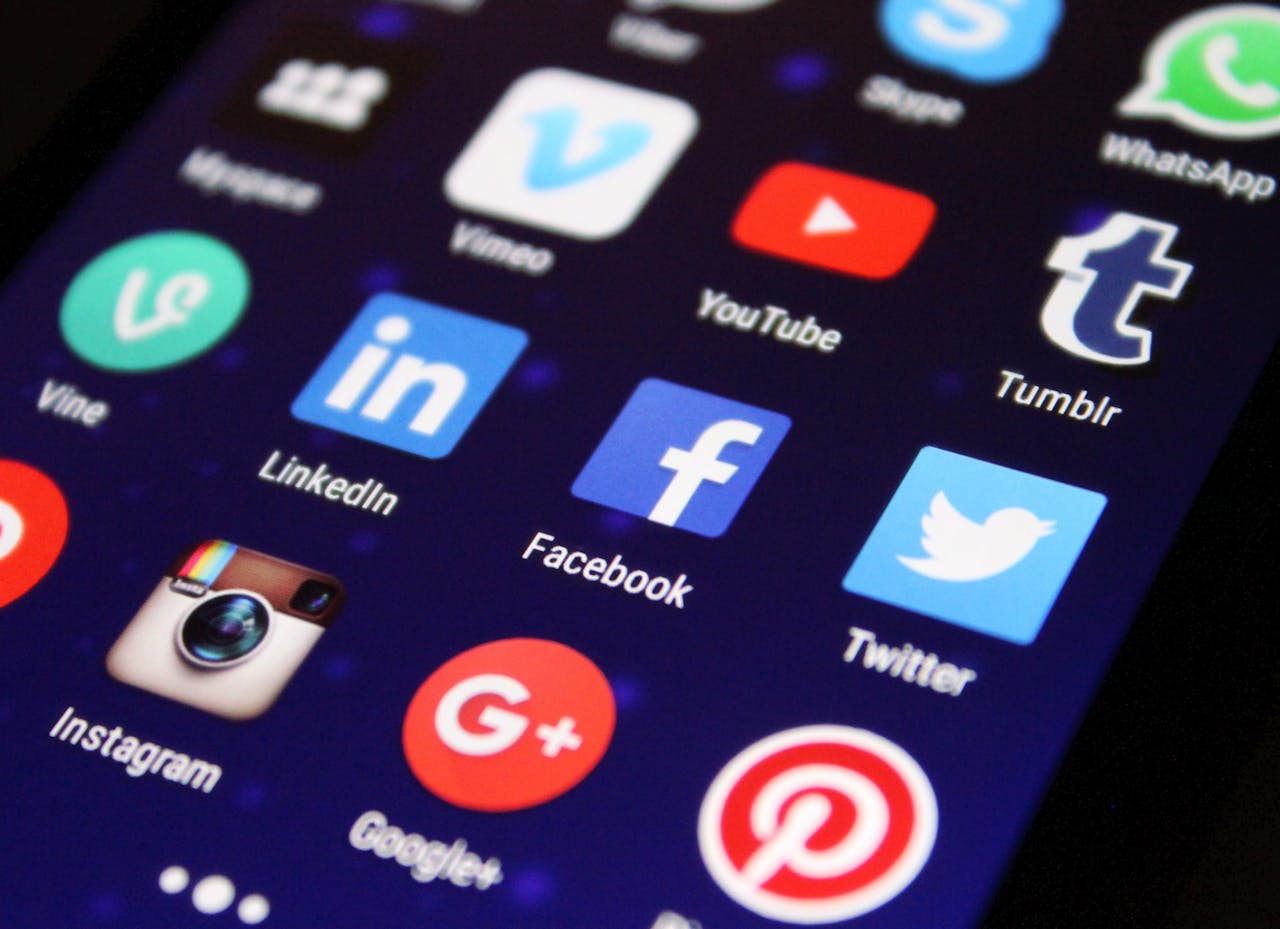
We spent over a decade in the weeds of digital marketing compliance, and there’s one question that shows up in my inbox like clockwork, every quarter, without fail: is buying social media engagement legal? Short answer: yes, mostly. Nobody’s getting handcuffed for buying 5,000 followers. But “legal” and “smart” are two very different words, and the gap between them is where I’ve watched clients lose entire businesses.
The real threat isn’t a courtroom. It’s a platform ban, an FTC letter, or six months of ad spend funneled straight into bot traffic that never once clicked “buy.”
Here’s what the law says, where platforms draw their own harder lines, and what actually happens when someone crosses them.
The Quick Answer
No federal statute bans buying followers, likes, or views outright. https://celebian.com/buy-automatic-tiktok-views That’s just a fact. But the FTC has gone after companies selling fake engagement anyway, treating it as deceptive advertising under Section 5 of the FTC Act . So the real answer isn’t yes or no — it depends on what you bought, how you’re using it, and whether it’s misleading anyone downstream.
Why Platforms Care More Than the Government Does
This is the part most articles gloss over: your biggest exposure isn’t legal, it’s contractual. Every one of them explicitly bans “inauthentic engagement” in their terms. Break that rule and you’ve breached a contract, not committed a crime. Doesn’t make it painless.
I’ve watched clients lose entire accounts overnight. Ad manager access, gone. Monetization, gone. All because a fraud detection system flagged a sudden spike in views coming from data-center IP ranges — the kind of traffic pattern that screams “bot farm” to anyone who’s looked at server logs before. In particular strips fake views on sight and will demonetize a channel permanently if it happens more than once.
Where This Actually Becomes Illegal
Three scenarios turn “risky” into “illegal,” and they’re worth knowing cold:
- Deceptive advertising claims. A business claiming “10,000 verified customers” when half of that is purchased bot activity? That’s actionable false advertising under FTC rules. Not a gray area.
- Securities and investment fraud. Inflated engagement to pump a stock, an NFT, a crypto token — and yes, this has led to real SEC enforcement actions. I’ve seen the filings.
- Click fraud against advertisers. Bots inflating ad impressions or clicks that bill some third party down the line — courts have treated this as straight-up fraud in civil litigation more than once.
The FTC’s 2024–2026 Crackdown
As of 2026, the FTC has sharpened its teeth on what it calls “review and engagement fraud,” building on the 2024 rule that banned fake reviews and testimonials outright. That rule reaches further than most people realize — it explicitly covers businesses that buy followers or views to misrepresent their popularity to consumers. And here’s the part that should worry marketers specifically: it’s not just the vendors selling these services who can get hit with civil penalties anymore. It’s the companies buying them too.
Bought Views vs. Organic Growth
Bought engagement is cheap and fast. That’s the whole pitch. But it delivers zero real audience, it puts your account at risk of a platform ban, and if you’re using it to misrepresent anything to consumers, it can put you in the FTC’s crosshairs.
Organic growth is slower, and honestly, it’s a grind — you need consistent content investment, week after week, with no guaranteed payoff. But it builds an audience that actually converts. It protects your account standing. And it holds up if a regulator ever comes knocking, which, these days, isn’t as far-fetched as it used to be.
What Marketers Should Actually Do
My take, after watching this play out across dozens of client accounts: treat purchased engagement like a payday loan. Solves a problem today. Creates a bigger one in three months. Prioritize building real audience trust for sustainable success.
Platforms have gotten scary good at spotting bot traffic since 2023 — they’re not just counting followers anymore, they’re looking at session length, device fingerprinting, behavioral patterns that a real human just doesn’t replicate at scale.
Need social proof fast? Put the budget into the platform’s own paid promotion tools instead. It’s transparent. It’s trackable. And it won’t get your account nuked six months from now.
FAQ
Is it illegal to buy views?
Not a federal crime, no. But it violates Terms of Service, full stop, and can strip the views, demonetize the channel, or terminate the account entirely.
Can a business get in legal trouble for fake followers?
Yes — if those fake followers get used to misrepresent popularity in advertising or investment claims, both the FTC and SEC have shown they’re willing to pursue civil enforcement.
Are automated view services ever legal to use?
Using them won’t land anyone in criminal court in most jurisdictions. But it still breaches platform contracts, and depending on how the numbers get used, it can open the door to deceptive-advertising liability.
Bottom Line
So, is buying social media engagement legal? Technically, in most everyday cases, yes. But legal was never the bar that mattered here. Between platform enforcement, FTC scrutiny, and the simple, stubborn fact that bots don’t buy anything, the smarter play — the one that actually survives 2026 — is building a real audience the slow way. If you’re weighing growth tactics like purchasing views right now, start by auditing where your current engagement is actually coming from. Better you find the bots than a regulator does
Where the legal industry reads first.
Enjoyed this article? Get the biggest legal industry updates, deals, appointments, insights and expert interviews in your inbox, free.
No spam. Unsubscribe anytime.From Legal Desire
Is your firm the one being cited, or the one being skipped?
We ran the test. On several everyday legal questions, software companies are answering and law firms are not. We help firms fix that, and we build the technology behind the practice.
Lawyers and firms: get featured on Legal Desire
Share your deals, lateral moves, firm news and insights with 1M+ monthly readers: founders, law firm partners, general counsel and practising lawyers across the US, UK, EU and GCC.
Get featuredSubmit a press release