

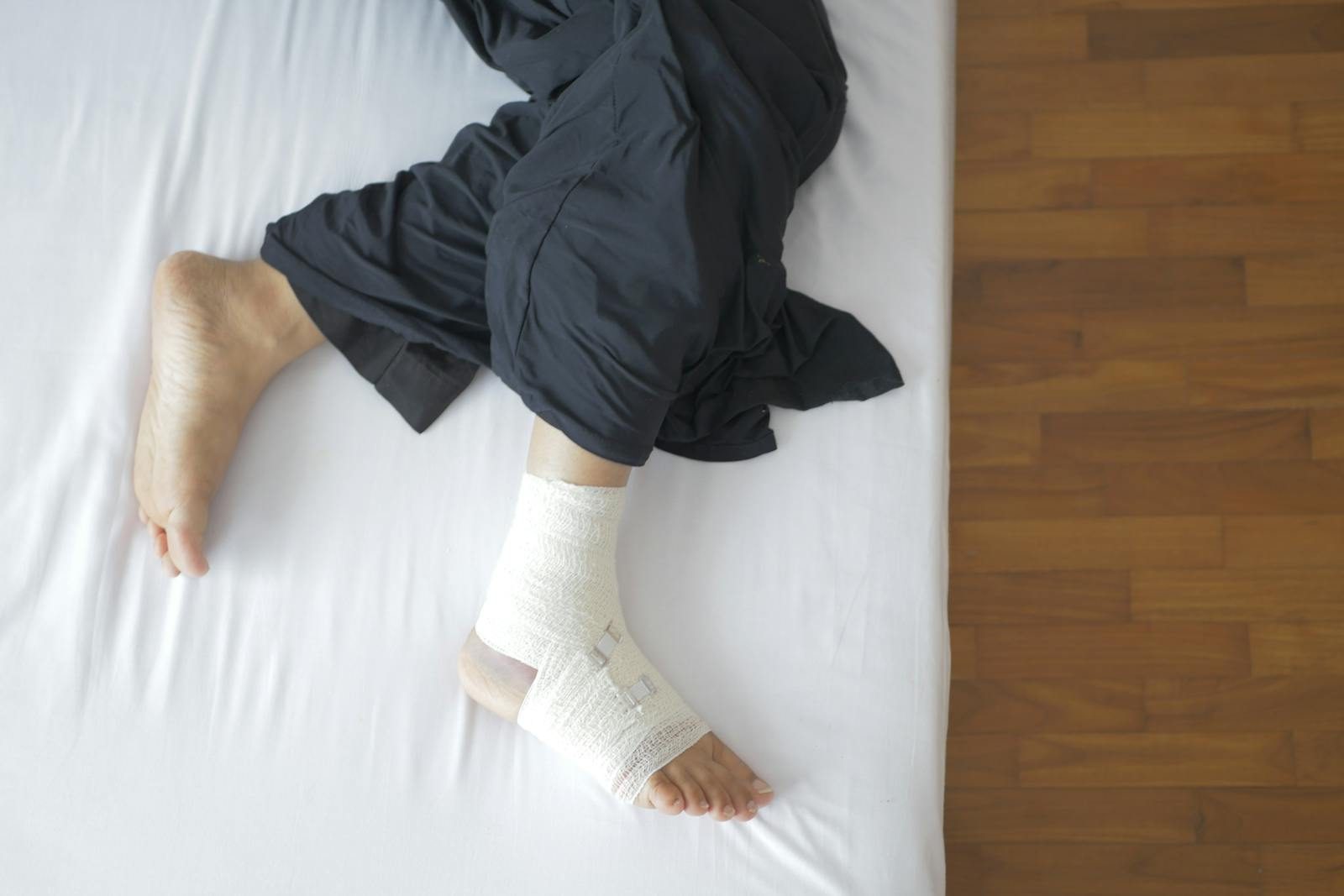
Serious leg fractures from bicycle accidents can change a person’s daily life in an instant. What may start as a normal ride can quickly turn into a painful emergency requiring immediate medical attention and a long recovery. In many cases, legal counsel for injured bikers becomes important because victims may need help understanding their rights and pursuing compensation while they focus on healing. These injuries often affect not just mobility but also work, independence, and overall quality of life. Recovery is rarely quick, and it usually comes with physical, emotional, and financial challenges that take time to overcome.
Common Causes of Severe Leg Fractures in Cycle Accidents
Serious leg fractures in cycling accidents often happen in situations that escalate quickly and leave little time for a rider to react.
Collisions With Motor Vehicles
One of the most common causes of severe leg fractures is being hit by a car or motorcycle while riding a bicycle. The force of impact can easily throw a cyclist to the ground or trap the leg under a vehicle, leading to complex fractures that require surgery.
Poor Road Conditions
Uneven pavement, potholes, and debris on the road can cause a cyclist to lose balance and fall suddenly. These unexpected hazards often cause hard impacts to the legs, especially when the rider tries to catch themselves during a fall.
Sudden Swerving or Dooring Incidents
Leg fractures can also happen when a cyclist swerves to avoid an obstacle or is struck by a car door opening in their path. These incidents are particularly dangerous because they happen without warning and often lead to direct impact with the ground or nearby objects.
High Speed Falls
One of the main hazards of cycling at high speeds is the increased likelihood that injuries will be severe in the event of a fall. If a cyclist were to lose their balance while speeding, even if it were a simple slip, their legs would likely bear most of the impact and may suffer fractures, which would require a prolonged period to heal.
Types of Leg Fractures Cyclists May Experience
Leg fractures from cycling accidents can vary widely in severity, and each type can affect recovery time and mobility in different ways.
Simple Fractures
A simple fracture happens when the bone cracks or breaks but does not pierce the skin. Even though it is considered less severe than other types, it can still be extremely painful and may require a cast or immobilization for proper healing.
Compound Fractures
A compound fracture occurs when the broken bone pierces through the skin, making it a more serious and dangerous injury. These injuries often require emergency surgery because of the risk of infection and extensive tissue damage.
Comminuted Fractures
A comminuted fracture occurs when a bone breaks into multiple fragments due to a very powerful force. Such fractures are frequently the result of a very serious bicycle crash, and in most cases, the patient is to be operated on and have plates, screws, or rods inserted to hold the bone together.
Stress Fractures
A stress fracture is basically a tiny crack in a bone that gets bigger over time from doing the same thing to the bone again and again without giving it time to heal. Even if a single accident doesn’t cause a stress fracture, it may get worse right after a fall and abruptly reduce a cyclist’s capability of moving.
Immediate Impact After the Accident
Right after a cycling accident in which a serious leg fracture is sustained, the impact is usually quite strong, and the person is seriously disturbed. The cyclist, most of the time, suffers very much, is in shock, and can hardly move the injured leg; in fact, the pain is such that the moment of the accident is a sort of terror for the person. The usual practice after such an accident is that emergency help arrives at the scene very soon, and one is transported to the hospital for X-rays and, if necessary, an operation to provide stability to the broken bone is performed immediately.
Long Recovery and Rehabilitation Process
Recovery from a very serious fracture of the leg caused by a bicycle accident is not uncommon to be fast, and mostly it takes several months of regular healing. Many patients use physical therapy to increase muscle strength, restore mobility, and regain balance in the injured leg. Besides bone healing, some people will still suffer from the consequences of their thigh, with their activity decreased due to a feeling of hardness, weakness, and limited range of motion.
How Leg Fractures Affect Daily Movement and Independence
A serious leg fracture can make even the simplest daily movements feel challenging and exhausting. Tasks like walking, climbing stairs, or getting in and out of bed often require assistance, especially in the early stages of recovery. This loss of independence can be frustrating because it forces a person to rely on others for basic needs while their mobility slowly returns.
Adjusting to Life After a Serious Leg Fracture
Serious leg fractures from cycling accidents can disrupt every part of daily life, from basic movement to long-term independence and emotional well-being. Recovery takes time, patience, and consistent support as the body slowly heals and strength is rebuilt. In some situations, legal counsel for injured bikers can also help injured individuals understand their rights and pursue fair compensation while they focus on recovery.
Where the legal industry reads first.
Enjoyed this article? Get the biggest legal industry updates, deals, appointments, insights and expert interviews in your inbox, free.
No spam. Unsubscribe anytime.From Legal Desire
Is your firm the one being cited, or the one being skipped?
We ran the test. On several everyday legal questions, software companies are answering and law firms are not. We help firms fix that, and we build the technology behind the practice.
Lawyers and firms: get featured on Legal Desire
Share your deals, lateral moves, firm news and insights with 1M+ monthly readers: founders, law firm partners, general counsel and practising lawyers across the US, UK, EU and GCC.
Get featuredSubmit a press release