

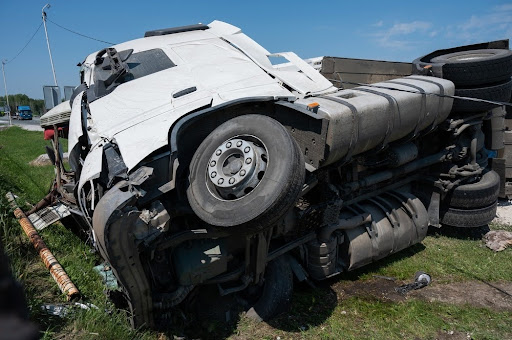
A broken headlight, a long skid mark, or a truck resting at an odd angle may seem like small details, but each could hold a clue about a collision. On Philadelphia roads, these signs can help investigators understand how a truck crash happened and who may have caused it.
However, finding the truth takes more than looking at damaged vehicles or listening to the people involved. Photos, witness statements, driver records, and vehicle data can help confirm what happened. A Philadelphia truck accident lawyer may review these details to identify possible mistakes and determine which parties could be responsible for the crash.
Examining Evidence From the Crash Scene
The road itself can hold important clues about how a truck crash happened. Skid marks, broken glass, vehicle damage, and the final positions of the vehicles may help show the direction each vehicle was moving and whether a driver tried to stop. Photos taken at the scene can also capture traffic signs, road conditions, and damage before anything is moved.
Witness statements can add another part of the story. Someone who saw the crash may remember which vehicle entered an intersection first or whether the truck moved into another lane without warning. Police crash reports may also contain useful details, although they do not automatically settle every question about fault.
Together, these records can help investigators compare different accounts and build a clearer picture of the collision.
Checking Trucking Records for Signs of Negligence
A truck driver’s actions are only one part of the investigation. Records kept by the trucking company may reveal safety problems that were not easy to spot at the crash scene.
Driver logs can show how long someone had been driving before the collision. Electronic logging device records may help investigators check whether the driver followed federal limits on driving hours. If a driver was too tired to stay alert, these details may matter to the investigation.
Maintenance and inspection records can also tell an important story. Poorly maintained brakes, worn tires, or missed repairs may point to a possible safety failure. Training records and company policies may reveal other concerns, such as inadequate driver preparation or unsafe work schedules.
The key is connecting any safety problem to the crash rather than assuming that a record alone proves fault.
Using Electronic Data to Reconstruct the Crash
Modern trucks can store information that helps explain what happened before a collision. Electronic control modules may record details related to speed, braking, and engine activity, depending on the truck and the system involved. GPS records may help establish the truck’s route, while available dashcam footage may show the events leading up to the crash.
These details can be useful when the people involved remember events differently. For example, electronic records may help investigators compare a driver’s account of braking with the information recorded by the vehicle.
Accident reconstruction professionals may also study vehicle damage, road marks, and electronic data to work out how the collision occurred. However, no single record always provides the full answer. Some data may also be lost or overwritten, so preserving available evidence early can make a difference.
Identifying Every Party That May Share Responsibility
A truck crash does not always result from one person’s actions. Depending on the evidence, several parties may have played a role in the collision.
- The truck driver: Speeding, distracted driving, unsafe lane changes, or driving while tired may contribute to a crash.
- The trucking company: Poor training, unsafe schedules, or failure to address known vehicle problems may raise questions about company responsibility.
- The maintenance provider: Faulty repairs or missed mechanical problems may contribute to a loss of control.
- The cargo loading company: Unbalanced or unsecured cargo may affect the truck’s stability and make it harder to control.
- The manufacturer: A defective truck part may contribute to the collision if the evidence supports that connection.
A careful investigation looks at what each party did and how those actions may have contributed to the crash. Responsibility should be based on evidence, not assumptions.
Connecting the Evidence to Fault
Collecting records is only part of the work. The details must also fit together to explain how the crash happened. A truck accident lawyer in Philadelphia, PA, may compare witness statements with police reports, vehicle data, and company records to look for gaps or conflicting information.
For example, a driver may claim that the truck stopped in time, but the available vehicle data and physical evidence may raise questions about that account. Investigators can examine these differences to see which explanation best matches the facts.
Organized evidence may also support discussions with insurance companies or a court claim. Clear records make it easier to show how a party’s actions may have contributed to the collision, although the outcome depends on the facts and applicable law.
Finding the Facts That Matter
A truck crash investigation is often like putting together a puzzle, where one missing detail can raise questions about the entire event. A witness may remember one thing, vehicle data may show another, and company records may reveal a problem that started long before the crash. Looking at these details together can help establish how the collision happened and who may be responsible.
A Philadelphia truck accident lawyer can review the available evidence, identify gaps that need further investigation, and explain the options for pursuing a claim. The goal is to build a clear account of the crash based on facts, not guesswork.
Where the legal industry reads first.
Enjoyed this article? Get the biggest legal industry updates, deals, appointments, insights and expert interviews in your inbox, free.
No spam. Unsubscribe anytime.From Legal Desire
Is your firm the one being cited, or the one being skipped?
We ran the test. On several everyday legal questions, software companies are answering and law firms are not. We help firms fix that, and we build the technology behind the practice.
Lawyers and firms: get featured on Legal Desire
Share your deals, lateral moves, firm news and insights with 1M+ monthly readers: founders, law firm partners, general counsel and practising lawyers across the US, UK, EU and GCC.
Get featuredSubmit a press release