

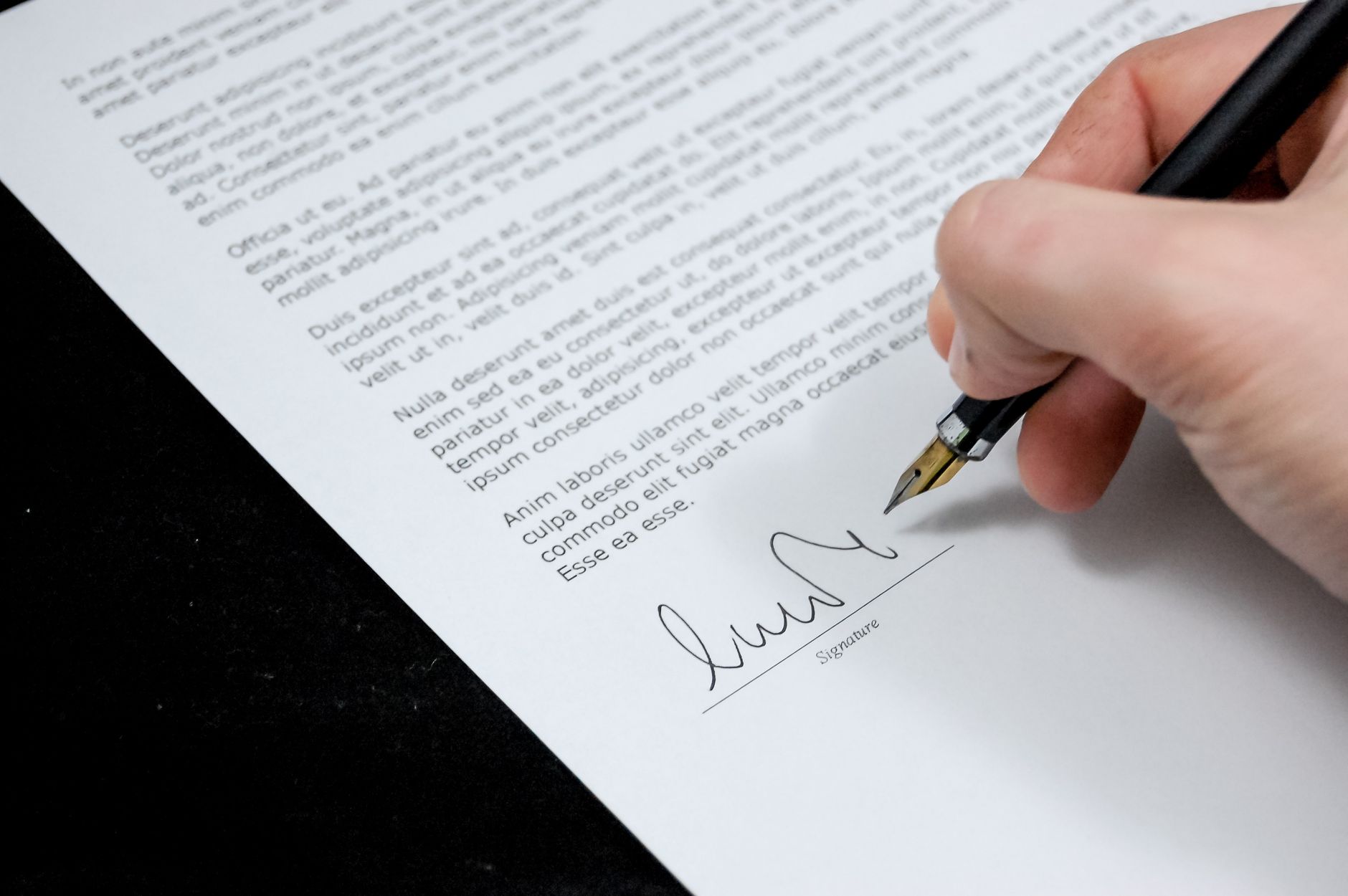
Cease and desist meaning, in plain terms: it is a formal demand telling someone to stop an activity the sender believes is unlawful, and to not resume it, or risk a lawsuit. The letter itself has no binding legal force. It becomes enforceable only if a court later turns the dispute into an injunction or a government agency issues its own cease and desist order.
What Does “Cease and Desist” Mean?
“Cease and desist” is a legal doublet built from two near-synonyms that both mean to stop. According to Cornell Law School’s Legal Information Institute, a cease and desist letter is a cautionary letter sent to an alleged wrongdoer describing the alleged misconduct and demanding that the alleged misconduct be stopped. Such letters are usually written by attorneys and are often used to stop alleged infringement of copyrights, trademarks, and patents, though the format is not limited to intellectual property. As Wikipedia’s entry on the topic explains, the letter may warn that the recipient will be sued if specified conduct is not discontinued by a deadline set out in the letter.
The document is distinct from a cease and desist order. A letter is a private demand sent by one party to another, usually through counsel. An order is issued directly by a court or a government body such as a regulator, and it carries immediate legal weight of its own.
Cease and Desist Letter vs. Cease and Desist Order
| Feature | Cease and Desist Letter | Cease and Desist Order |
|---|---|---|
| Who issues it | A private party, usually through an attorney | A court or government agency |
| Legal force | Not directly enforceable | Legally enforceable, functions as an injunction |
| Consequence of non-compliance | No automatic penalty, but risk of lawsuit | Contempt of court, fines, or other sanctions |
The IP-focused legal publisher Dennemeyer draws the same line, noting that a cease and desist order is a legally enforceable injunction issued by a court or government agency, and compliance with such an order is mandatory. Ignoring or violating that kind of order, rather than a private letter, is what actually exposes someone to contempt proceedings.
When Do Businesses Send Cease and Desist Letters?
Cease and desist letters show up most often in three areas: intellectual property, contract disputes, and harassment or defamation claims. Cornell’s Wex definition confirms that these letters are also used to warn a wrongdoer against harassment, slander or libel, and contractual violations, in addition to intellectual property infringement. Trademark disputes are a particularly common trigger, and businesses that overlook basic clearance searches or brand consistency often end up on the receiving end of one. Legal Desire’s own coverage of seven trademark mistakes businesses should avoid walks through the missteps that most frequently invite this kind of correspondence.
Federal trademark protection itself traces back to statute. The Lanham Act, codified at 15 U.S.C. § 1051, governs how marks are registered and enforced in the United States, and it is the underlying law that most trademark-based cease and desist letters cite. The same enforcement logic extends into media and content licensing, an area covered in Legal Desire’s piece on broadcasters’ rights over intellectual property, where unauthorized use of protected content or signals frequently draws a formal demand letter before any lawsuit is filed.
Is a Cease and Desist Letter Legally Binding?
No. A private cease and desist letter has no inherent legal force. Cornell’s Wex entry is direct on this point: a cease and desist letter is a non-binding letter and does not have a legal effect, though it is primarily sent so it may later be used as evidence in litigation if the misconduct continues. Dennemeyer’s analysis reaches the same conclusion, adding that there is no penalty for ignoring the notice itself, so senders must be prepared to take things further if the recipient does not comply.
That does not make the letter meaningless. Its practical power comes from three things: the accuracy of the legal claims inside it, the credibility of the sender (letters on attorney letterhead are read differently than ones from an angry individual), and the paper trail it creates. Once a dispute reaches court, the letter becomes proof that the recipient was on notice, which can matter for claims of willful infringement or punitive damages.
What Happens If You Ignore a Cease and Desist Letter?
Nothing happens immediately, but the situation rarely stays static. FindLaw’s overview of the topic lists the realistic sequence: the sender may keep sending letters until they get a response, and subsequent letters tend to use more aggressive language, but they still carry zero legal obligation to comply on their own. The real turning point, according to the same source, is when the recipient is served with an actual summons and complaint, which marks the real beginning of a lawsuit rather than just a warning.
Practical consequences of ignoring a letter can include:
- More letters, often with sharper language, from the same sender
- A lawsuit seeking damages, an injunction, or both
- A request for a temporary restraining order if the sender argues the harm is urgent
- Use of the ignored letter as evidence of willful or knowing conduct if the case proceeds
None of this is automatic, and plenty of letters are sent without any real intention of litigating. But a letter drafted by counsel usually signals that the sender has already spent money protecting the underlying right, whether that is a trademark, a copyright, or a contractual restriction, and is prepared to spend more.
How Should You Respond to a Cease and Desist Letter?
Read the letter carefully before doing anything else. Identify the specific legal claim, the deadline, and exactly what conduct the sender wants stopped. Keep the original letter and any related correspondence, since it becomes part of the record if the dispute escalates. Avoid firing back an angry reply or admitting fault before checking whether the underlying claim actually holds up, since informal statements can later be used against you.
Getting a lawyer’s opinion before the deadline passes is the safest course, particularly where the letter cites specific statutes or threatens an injunction. In many cases a measured written response, drafted with counsel, resolves the dispute without further escalation. In others, it becomes the opening move in a negotiation over licensing, a rebrand, or a settlement.
This article is general information for a US audience and is not legal advice. Laws vary by state and by the specific claim involved, so consult a licensed attorney about your situation.
Frequently Asked Questions
What does cease and desist mean?
Cease and desist means to stop an activity immediately and not resume it. A cease and desist letter is a formal written demand telling someone to halt conduct the sender believes is unlawful, such as trademark infringement, defamation, or harassment, or face possible legal action.
Is a cease and desist letter legally binding?
No. A cease and desist letter is not legally binding and cannot be enforced by itself. It only becomes enforceable once a court or government agency converts the dispute into an injunction or a cease and desist order, which does carry legal force.
What happens if you ignore a cease and desist letter?
There is no automatic penalty for ignoring a cease and desist letter, but the sender may send further letters, file a lawsuit, or seek a temporary restraining order or preliminary injunction. Ignoring the letter can also be used later as evidence that the conduct was knowing or willful.
Do you need a lawyer to send a cease and desist letter?
You do not need a lawyer to send one, but letters drafted and signed by an attorney are typically taken more seriously and are more likely to cite accurate legal grounds, which strengthens the letter’s practical effect even though it remains non-binding.
Where the legal industry reads first.
Enjoyed this article? Get the biggest legal industry updates, deals, appointments, insights and expert interviews in your inbox, free.
No spam. Unsubscribe anytime.From Legal Desire
Is your firm the one being cited, or the one being skipped?
We ran the test. On several everyday legal questions, software companies are answering and law firms are not. We help firms fix that, and we build the technology behind the practice.
Lawyers and firms: get featured on Legal Desire
Share your deals, lateral moves, firm news and insights with 1M+ monthly readers: founders, law firm partners, general counsel and practising lawyers across the US, UK, EU and GCC.
Get featuredSubmit a press release