
CHICAGO, October 13, 2026
Chicago police have linked one of their former homicide detectives, Thomas F. McInerney Jr., to the slaughter of an 8-year-old girl who was kidnapped on her way to church over 65 years ago. McInerney died in 2006. He will not be charged, and a trial is not pending.
On November 12, 1960, Gloria was walking to the weekend morning Mass a few blocks away from her home, but she never made it. She was discovered some four hours later, shot to death in a ditch. Her body had been thrown into a forest preserve in southwest Chicago. A task force of authorities knocked on 100s of doors, interviewed over 1,300 people and questioned over 12 people under polygraph. No one got arrested, and the case lay dormant for decades.
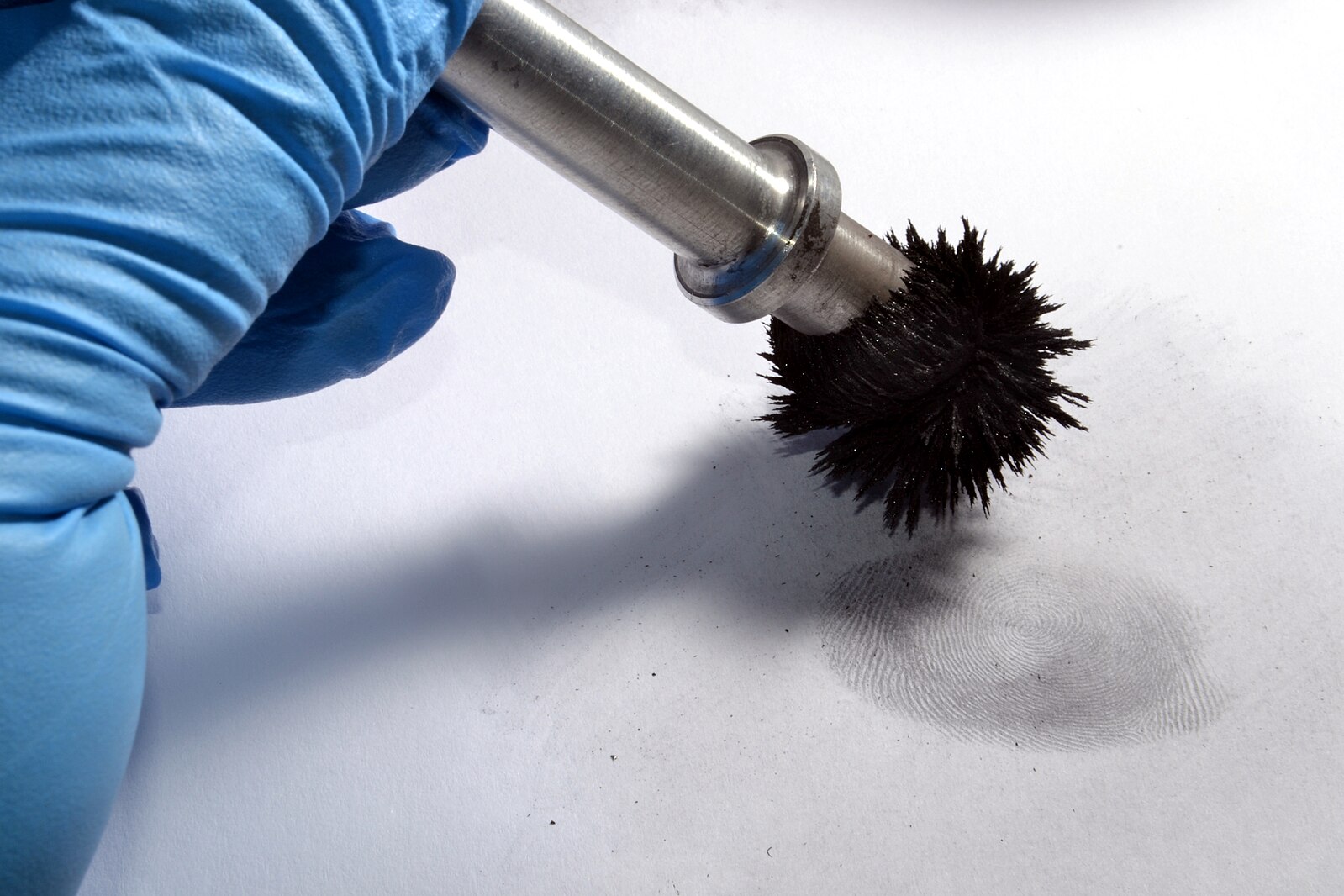
A breakthrough was made by examining physical evidence preserved since 1960. A bullet, Gloria’s coat and shoes and a white communion purse containing her prayer book had been picked up and preserved by police. Using modern forensic technology, investigators correlated DNA evidence from those items with McInerney’s DNA with the assistance of the FBI and the Illinois State Police. They also matched a carefully preserved fingerprint found on the purse strap to him. There is support for each of the two types of evidence. A fingerprint match is a traditional form of identification, and the DNA profile provides an independent biological connection.
The technology behind the identification of McInerney enables federal and local authorities to match evidence with genealogical websites. This is investigative genetic genealogy in a nutshell. Investigators generally create a DNA profile from crime scene DNA and search for close relatives among those who have voluntarily submitted their DNA. Then family tree analysis brings down the number of suspects, which can be verified through conventional evidence. Over 40 years later, the same method was applied to the Golden State Killer, with DNA obtained from a tissue found in a trash can. The technology has raised privacy concerns, the AP reports.
McInerney joined the Chicago Police Department in 1959, a year before the murder, and later became a homicide detective working on violent crimes. He retired in 1987, then worked for the Federal Public Defender’s Office in Reno and Las Vegas until 2004, according to a Chicago Tribune obituary.
“It is very unfortunate that he was never held responsible for it in his lifetime, because he should never have worn the CPD star,” said Chicago police in an interview with the AP. The case may not end here. The Cook County State’s Attorney’s Office is working to find cases potentially involving McInerney. The FBI said they are investigating all of the leads available to them that may help close other unsolved crimes in the vicinity during that time period.
The family of the victim were in mixed emotions when hearing the news. The Saudi newspaper Okaz reported that Gloria’s brother, Adam Kowalewicz, said it had brought some relief to the family after decades of waiting to know the killer’s name, but the man had passed away before being held to account.
In the case of forensic science, the case demonstrates the importance of evidence preservation. The meaning of items stored for decades changed when DNA profiling, fingerprint examination and genetic genealogy could be used to examine them. It also demonstrates the value of reanalyzing longstanding cases, and it challenges the responsibility of the perpetrator being a police officer, and the privacy of genealogical databases.
References:
- Mayes-Osterman, C. (2026, October 13). “Chicago police say DNA ties a former detective to decades-old unsolved killing of 8-year-old girl.” Associated Press, via The Atlanta Journal-Constitution. https://www.ajc.com/news/2026/10/chicago-police-say-dna-ties-a-former-detective-to-decades-old-unsolved-killing-of-8-year-old-girl/
- Associated Press, via KTAR News. https://ktar.com/national-news/chicago-police-say-dna-ties-a-former-detective-to-decades-old-unsolved-killing-of-8-year-old-girl
- Associated Press, via WDBO. https://www.wdbo.com/news/national/chicago-police-say/ESB5EN6CFM3ULOLW7YFGERGKTA/
- Okaz (Saudi Arabia). International coverage of the case. https://www.okaz.com.sa/variety/na/2270745
- Chicago Tribune. Obituary of Thomas Francis McInerney (cited by the AP). https://www.chicagotribune.com/obituaries/thomas-francis-mcinerney-il/
- Associated Press report as linked in your message. I couldn’t open this link directly, but sources 1–3 carry the same AP story. https://apnews.com/article/8566bdef2660bad4a0033129a0181afc
Where the legal industry reads first.
Enjoyed this article? Get the biggest legal industry updates, deals, appointments, insights and expert interviews in your inbox, free.
No spam. Unsubscribe anytime.From Legal Desire
Is your firm the one being cited, or the one being skipped?
We ran the test. On several everyday legal questions, software companies are answering and law firms are not. We help firms fix that, and we build the technology behind the practice.
Lawyers and firms: get featured on Legal Desire
Share your deals, lateral moves, firm news and insights with 1M+ monthly readers: founders, law firm partners, general counsel and practising lawyers across the US, UK, EU and GCC.
Get featuredSubmit a press release