
Last updated: July 2026
Asylum vs refugee status represents two distinct forms of international protection governed by different legal processes. A refugee is someone who has fled their country and meets the criteria of the 1951 Refugee Convention. An asylum seeker applies for protection after reaching another country, and if granted, becomes an asylee with similar rights to refugees but through a different pathway.
What is the Legal Definition of Refugee Status?
The 1951 United Nations Convention Relating to the Status of Refugees provides the foundational legal definition. A refugee is any person who, owing to a well-founded fear of persecution based on race, religion, nationality, membership in a particular social group, or political opinion, is outside their country of nationality and unable or unwilling to return.
This definition was expanded by the 1967 Protocol, which removed geographic and temporal limitations. The Convention applies universally to all refugees regardless of when or where their displacement occurred. As of July 2026, 149 states are parties to one or both instruments.
Refugee status is typically determined before or shortly after entering a host country. The United Nations High Commissioner for Refugees (UNHCR) plays a central role in status determination in countries that lack national asylum systems. Recognized refugees receive protection under international law and cannot be returned to countries where their life or freedom would be threatened.
What is the Legal Definition of Asylum?
Asylum is the protection granted by a state to foreign nationals already on its territory or at its borders who meet the refugee definition. The term derives from the Greek “asylon,” meaning inviolable place. Unlike refugee status, which can be determined extraterritorially, asylum requires presence in or at the border of the protecting state.
Asylum law emerges from both customary international law and treaty obligations. The 1948 Universal Declaration of Human Rights recognizes the right to seek and enjoy asylum. However, no binding international treaty creates an individual right to be granted asylum. States retain sovereign discretion in their asylum determinations, subject to the principle of non-refoulement.
An asylum seeker becomes an asylee upon approval of their claim. The legal protections afforded to asylees are substantively similar to those for refugees, though procedural requirements and integration pathways may differ by jurisdiction.
Key Differences Between Asylum vs Refugee Status
| Aspect | Refugee Status | Asylum Status |
|---|---|---|
| Location of Application | Outside country of residence, often in refugee camps or through UNHCR | At the border or inside the host country |
| Adjudicating Authority | UNHCR or host country before admission | Immigration authorities of the host country |
| Entry Process | Pre-screened, formal resettlement through designated programs | Self-initiated entry, followed by application |
| Legal Basis | 1951 Refugee Convention and 1967 Protocol | Domestic asylum laws implementing international obligations |
| Status During Processing | Awaits resettlement as recognized refugee | Remains asylum seeker until decision |
| Duration of Process | Can take years in refugee determination and resettlement | Varies widely, from months to years depending on jurisdiction |
Both pathways lead to protection for individuals fleeing persecution. The critical distinction lies in where and how the protection is sought. Refugees undergo status determination before resettlement. Asylum seekers arrive first and apply afterward.
How Do Application Processes Differ?
The refugee resettlement process typically begins with UNHCR registration in a first country of asylum. UNHCR conducts refugee status determination interviews, gathering evidence of persecution and assessing credibility. Recognized refugees may then be referred to resettlement countries that accept annual quotas.
Countries like the United States, Canada, Australia, and European Union member states operate formal refugee resettlement programs. Applicants undergo security vetting, medical examinations, and cultural orientation before travel. The process is orderly but slow, often spanning multiple years.
Asylum applications follow a different trajectory. An individual arrives at a country’s border or territory and files a claim with immigration authorities. In the United States, asylum seekers file Form I-589 with USCIS or assert asylum as a defense in removal proceedings. The European Union operates the Common European Asylum System, though individual member states adjudicate claims.
Asylum procedures involve interviews, documentary evidence, and credibility assessments. Many jurisdictions provide legal representation rights, though availability varies. Decisions can be appealed through administrative or judicial channels. During processing, asylum seekers may receive work authorization or be detained, depending on the country’s policies.
What Rights and Protections Apply?
The principle of non-refoulement is the cornerstone of refugee protection. Article 33 of the 1951 Convention prohibits returning refugees to territories where their life or freedom would be threatened. This prohibition applies to both recognized refugees and asylum seekers whose claims are pending.
Recognized refugees and asylees receive similar substantive rights under international law. These include the right to work, access to education, freedom of movement, and social services. The Convention mandates that refugees receive identity and travel documents, allowing lawful residence and international travel.
However, implementation varies significantly across jurisdictions. Some countries grant asylees immediate pathways to permanent residence and citizenship. Others provide renewable temporary protection with fewer integration benefits. Refugees resettled through formal programs often receive more robust resettlement assistance, including language training and employment services.
Family reunification rights also differ. Many countries prioritize family unity for both refugees and asylees, but waiting times and eligible family members vary. Resettled refugees may bring immediate family members as part of their initial admission. Asylees typically must apply separately for derivative status for spouses and children.
Regional Variations in Legal Frameworks
Regional instruments supplement the global refugee regime. The 1969 Organization of African Unity Convention broadens the refugee definition to include persons fleeing external aggression, occupation, foreign domination, or events seriously disturbing public order. This expanded definition responds to Africa’s displacement patterns.
The 1984 Cartagena Declaration influences asylum law in Latin America. It extends protection to persons fleeing generalized violence, internal conflicts, massive violations of human rights, or other circumstances seriously disturbing public order. Many Latin American states have incorporated this broader definition into domestic law.
The European Union’s asylum acquis harmonizes minimum standards across member states through the Qualification Directive, Procedures Directive, and Reception Conditions Directive. The Dublin Regulation determines which EU country is responsible for examining an asylum application, generally the first country of entry. This system has faced criticism during periods of high arrivals.
In Asia, fewer countries are parties to the 1951 Convention. States like Thailand, Malaysia, and Indonesia lack comprehensive domestic asylum frameworks. UNHCR conducts refugee status determination, but recognized refugees often remain in prolonged limbo awaiting third-country resettlement.
Current Challenges in the Asylum vs Refugee Status Distinction
The sharp legal distinction between asylum and refugee status has blurred in practice. Mixed migration flows combine refugees, asylum seekers, economic migrants, and others. States struggle to distinguish between categories, particularly when spontaneous arrivals claim asylum at borders or after irregular entry.
Deterrence policies have proliferated. Some countries impose visa requirements, carrier sanctions, and offshore processing to prevent asylum seekers from reaching their territory. Australia’s offshore processing in Nauru and Papua New Guinea exemplifies this approach. The legality of such measures under international law remains contested.
Climate displacement poses definitional challenges. The 1951 Convention’s five persecution grounds do not explicitly cover environmental degradation or climate change. Some scholars and practitioners advocate for expanding protection frameworks. Island nations facing sea-level rise have pushed for climate refugee recognition, though no binding international instrument yet exists.
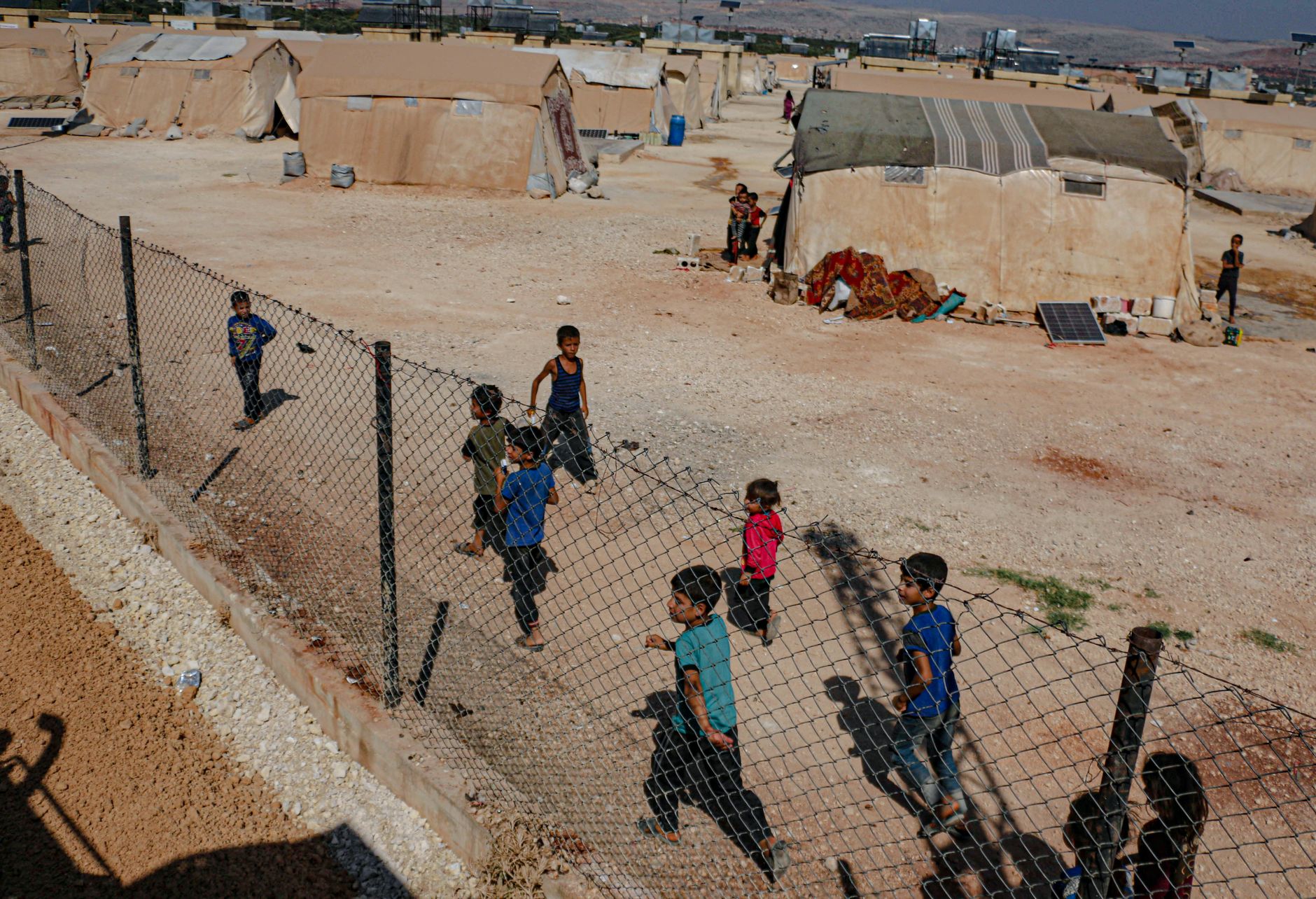
Protracted displacement affects millions. Refugee camps intended as temporary solutions become semi-permanent settlements. Asylum backlogs in major destination countries stretch processing times to years, leaving applicants in legal limbo.
Legal Implications for Practitioners
Understanding the asylum vs refugee status distinction matters for legal practice. Immigration lawyers must advise clients on the appropriate protection pathway based on their location and circumstances. Someone outside their country of persecution might pursue refugee resettlement. An individual already present in a host country should seek asylum.
Burden of proof requirements differ. Asylum applicants must often prove persecution with credible testimony and corroborating evidence. Refugee status determinations may rely more heavily on country conditions and objective risk assessments. Lawyers must tailor evidence gathering to the specific procedural context.
Judicial review mechanisms vary. In common law countries, asylum denials are typically subject to administrative appeals and judicial review. Refugee resettlement decisions often receive less robust procedural safeguards. Practitioners should exhaust all available remedies while being mindful of statutory deadlines.
Cross-border practice considerations arise frequently. A client denied asylum in one European Union country may face transfer under Dublin rules. Representing refugees seeking resettlement requires coordination with UNHCR and understanding of quota allocations. Asylum cases may involve extraterritorial evidence gathering from countries with active conflicts.
Conclusion
The asylum vs refugee status framework reflects the dual pathways through which international law protects persons fleeing persecution. While both lead to similar substantive protections, the procedural routes differ fundamentally. Refugees are recognized before resettlement through formal programs. Asylum seekers arrive independently and apply from within or at the borders of the host state.
These distinctions carry practical consequences for millions worldwide. Legal practitioners, policymakers, and advocates must navigate complex international and domestic frameworks. As displacement continues to rise globally, the effectiveness and fairness of these protection systems remain critical to upholding human rights and international obligations.
Frequently Asked Questions
Can a person be both a refugee and an asylum seeker?
Yes, sequentially. A person may be recognized as a refugee by UNHCR in one country while awaiting resettlement, then later travel to another country and seek asylum there. The statuses describe different stages and pathways rather than mutually exclusive categories.
Does refugee status expire?
Refugee status generally continues until cessation conditions are met under Article 1C of the 1951 Convention. These include voluntary return, acquisition of new nationality, or fundamental change in the country of origin. Status does not automatically expire with time passage.
Can asylum be granted for economic reasons?
No. Asylum protects against persecution based on the five Convention grounds: race, religion, nationality, political opinion, or membership in a particular social group. Economic hardship alone does not qualify, though economic persecution targeting specific groups may create eligibility.
What happens if an asylum claim is denied?
Denied asylum seekers typically face removal to their country of origin or a safe third country. Most jurisdictions provide appeal rights before removal. Some denied applicants may qualify for alternative protection forms such as withholding of removal or humanitarian status.
How long does asylum status last?
Initial asylum grants are often indefinite but subject to review. Many countries allow asylees to apply for permanent residence after one year and citizenship after additional waiting periods. Status can be terminated if conditions in the home country change fundamentally.
Where the legal industry reads first.
Enjoyed this article? Get the biggest legal industry updates, deals, appointments, insights and expert interviews in your inbox, free.
No spam. Unsubscribe anytime.From Legal Desire
Is your firm the one being cited, or the one being skipped?
We ran the test. On several everyday legal questions, software companies are answering and law firms are not. We help firms fix that, and we build the technology behind the practice.
Lawyers and firms: get featured on Legal Desire
Share your deals, lateral moves, firm news and insights with 1M+ monthly readers: founders, law firm partners, general counsel and practising lawyers across the US, UK, EU and GCC.
Get featuredSubmit a press release