

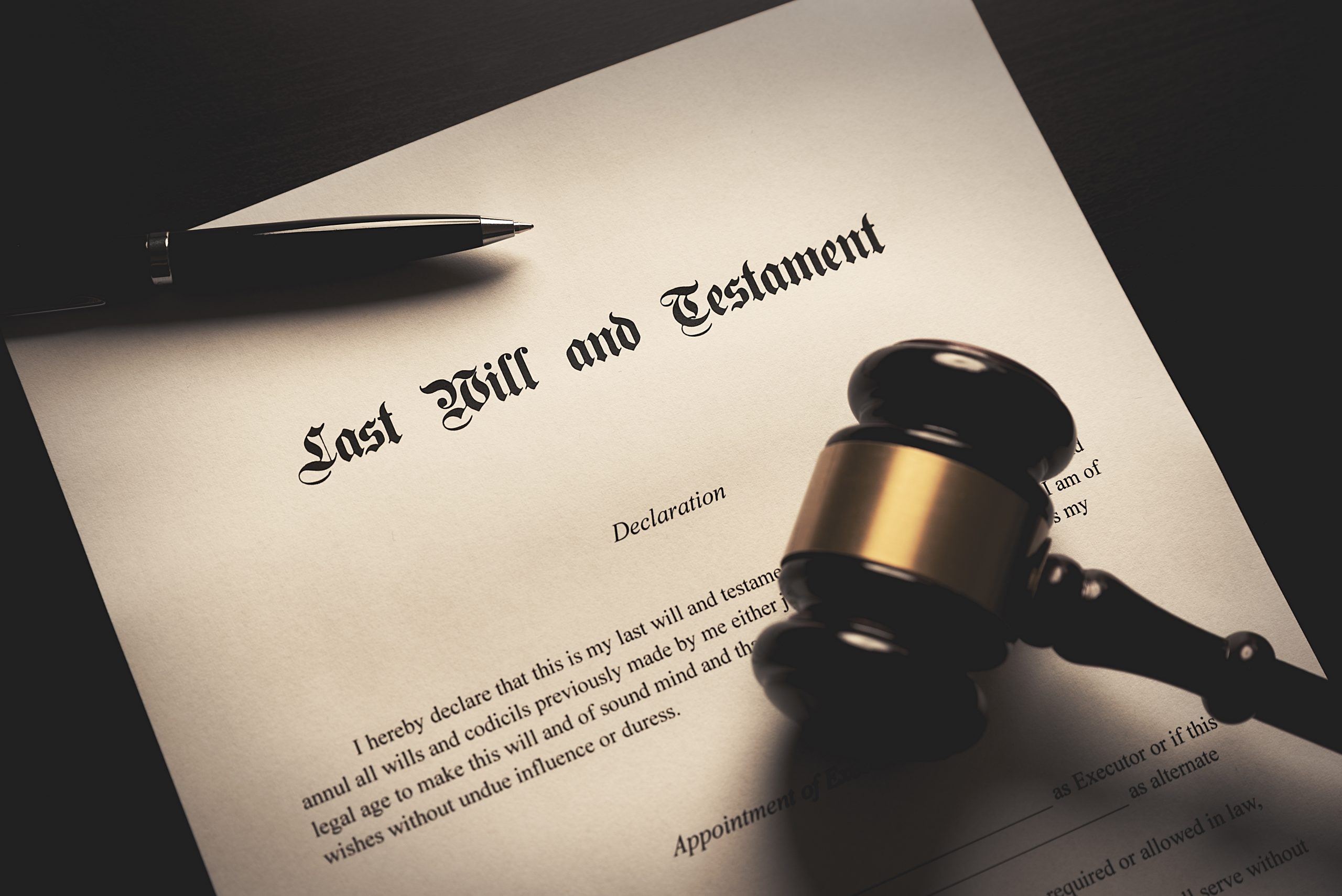
Most people put off writing a will because it feels morbid, or because they assume they don’t have enough assets to bother, or because they simply don’t know where to start. But a will is one of the most practical documents you can create. It decides who gets what, who takes care of your kids, and who’s in charge of sorting everything out, instead of leaving those decisions to a state formula that has no idea what you actually wanted.
Here’s what a last will and testament actually does, how to create one, and what happens if you don’t.
What Is a Last Will and Testament?
A last will and testament is a legal document that states how you want your property distributed after you die, and who you want to handle that process. It can also name a guardian for minor children and specify other final wishes. Once you die, the will is filed with the local probate court, which oversees the process of validating the will and carrying out its instructions.
A will only takes effect after death. While you’re alive, it has no legal power over your assets, and you can change or revoke it at any time as long as you’re mentally competent to do so.
Key Terms You’ll Run Into
Testator: The person creating the will.
Executor: The person the testator names to carry out the instructions in the will, pay off debts, and distribute assets. Courts formally appoint the executor once the will is admitted to probate.
Beneficiary: Anyone named to receive property or assets under the will.
Probate: The court-supervised process of validating a will, settling debts, and distributing assets according to its terms.
Intestate: The legal term for dying without a valid will. When this happens, state law, not personal wishes, decides how assets are distributed.
What a Will Can Do
- Name who receives specific assets, property, or a share of the estate
- Name a guardian for minor children
- Name an executor to manage the estate
- Set up a testamentary trust to manage assets for beneficiaries who aren’t ready to inherit outright, such as minor children
- Specify funeral or burial wishes, though these are often better communicated separately since a will may not be read until after the funeral has already happened
- Forgive debts owed to you by others
- Disinherit someone, in most cases, though spousal disinheritance is restricted in many states
What a Will Cannot Do
- Override beneficiary designations on things like life insurance policies, retirement accounts, or payable-on-death bank accounts. These pass directly to the named beneficiary regardless of what the will says.
- Control property held in joint tenancy with right of survivorship, which automatically passes to the surviving co-owner.
- Fully disinherit a spouse in most states, since many states guarantee a surviving spouse a minimum share of the estate regardless of what the will states.
- Impose ongoing conditions that violate public policy, such as conditions that are illegal or considered unreasonably restrictive by courts.
- Avoid probate entirely on its own. Having a will does not mean your estate skips the court process, it simply gives the court instructions to follow during that process.
Requirements for a Valid Will
While the exact rules vary by state, most US states require the following:
Legal Capacity
The testator must be of legal age, generally 18, and of sound mind, meaning they understand what a will is, generally know what they own, and understand who would naturally be expected to inherit from them.
Written Document
Most states require a will to be in writing. Some states recognize holographic wills, meaning wills written entirely in the testator’s own handwriting, sometimes without witnesses required, but not all states allow this, so it’s risky to rely on one.
Signature
The testator must sign the will, or direct someone else to sign it in their presence if they’re physically unable to do so.
Witnesses
Most states require the will to be signed in the presence of at least two witnesses, who also sign the document. Witnesses generally should not be beneficiaries under the will, since this can create a legal conflict that affects their inheritance or the validity of the will in some states.
Notarization (Sometimes)
Not all states require notarization for a will to be valid, but many allow for a “self-proving affidavit,” a notarized statement signed by the testator and witnesses that can speed up probate by avoiding the need to track down witnesses later to confirm the will’s validity.
What Happens If You Die Without a Will
Dying without a will means your estate is distributed according to your state’s intestate succession laws, a fixed formula that generally prioritizes spouses, children, and other close relatives in a specific order. This can lead to outcomes that don’t reflect what you would have actually wanted. A long-term partner you weren’t legally married to typically receives nothing under intestate succession, close friends receive nothing, and charitable causes you cared about receive nothing. If you have minor children and no surviving parent, the court decides who becomes their guardian without any guidance from you, since that decision can only be made through a will.
Common Mistakes People Make With Wills
- Never updating it after major life events. Marriage, divorce, the birth of a child, or the death of a named beneficiary should all trigger a review of your will.
- Assuming a will avoids probate. It doesn’t. If avoiding probate matters to you, that typically requires additional planning tools like a living trust.
- Using an outdated or improperly executed template. A will that doesn’t meet your state’s execution requirements can be thrown out entirely during probate, even if the intent is clear.
- Forgetting to update beneficiary designations. Since these override the will for accounts like life insurance and retirement plans, an outdated designation can send assets to the wrong person regardless of what the will says.
- Not naming an alternate executor or guardian. If your first choice is unable or unwilling to serve, having no backup named can leave the court to decide instead.
- Storing the only copy somewhere no one can find it. A will that can’t be located after death is often treated the same as no will at all.
Do You Need a Lawyer to Write a Will?
Simple wills with straightforward wishes and modest estates can sometimes be handled with state-compliant templates or online will-making services. But an attorney is generally worth involving if you have a blended family, significant assets, a business, potential estate tax exposure, a family member with special needs, or any anticipated disagreement among beneficiaries. Mistakes in a will often aren’t discovered until after death, when it’s too late to fix them, so getting it right the first time carries real weight.
Final Thoughts
A last will and testament isn’t about planning for death so much as it’s about making sure the people you care about aren’t left guessing, or worse, left to a legal formula that has no idea who you are. Taking the time to put your wishes into a properly executed document is one of the most straightforward ways to protect the people and causes that matter to you.
This article is for general informational purposes and does not constitute legal advice. Wills and probate laws vary significantly by state. Consult a licensed estate planning attorney in your state for guidance specific to your situation.
Where the legal industry reads first.
Enjoyed this article? Get the biggest legal industry updates, deals, appointments, insights and expert interviews in your inbox, free.
No spam. Unsubscribe anytime.From Legal Desire
Is your firm the one being cited, or the one being skipped?
We ran the test. On several everyday legal questions, software companies are answering and law firms are not. We help firms fix that, and we build the technology behind the practice.
Lawyers and firms: get featured on Legal Desire
Share your deals, lateral moves, firm news and insights with 1M+ monthly readers: founders, law firm partners, general counsel and practising lawyers across the US, UK, EU and GCC.
Get featuredSubmit a press release