

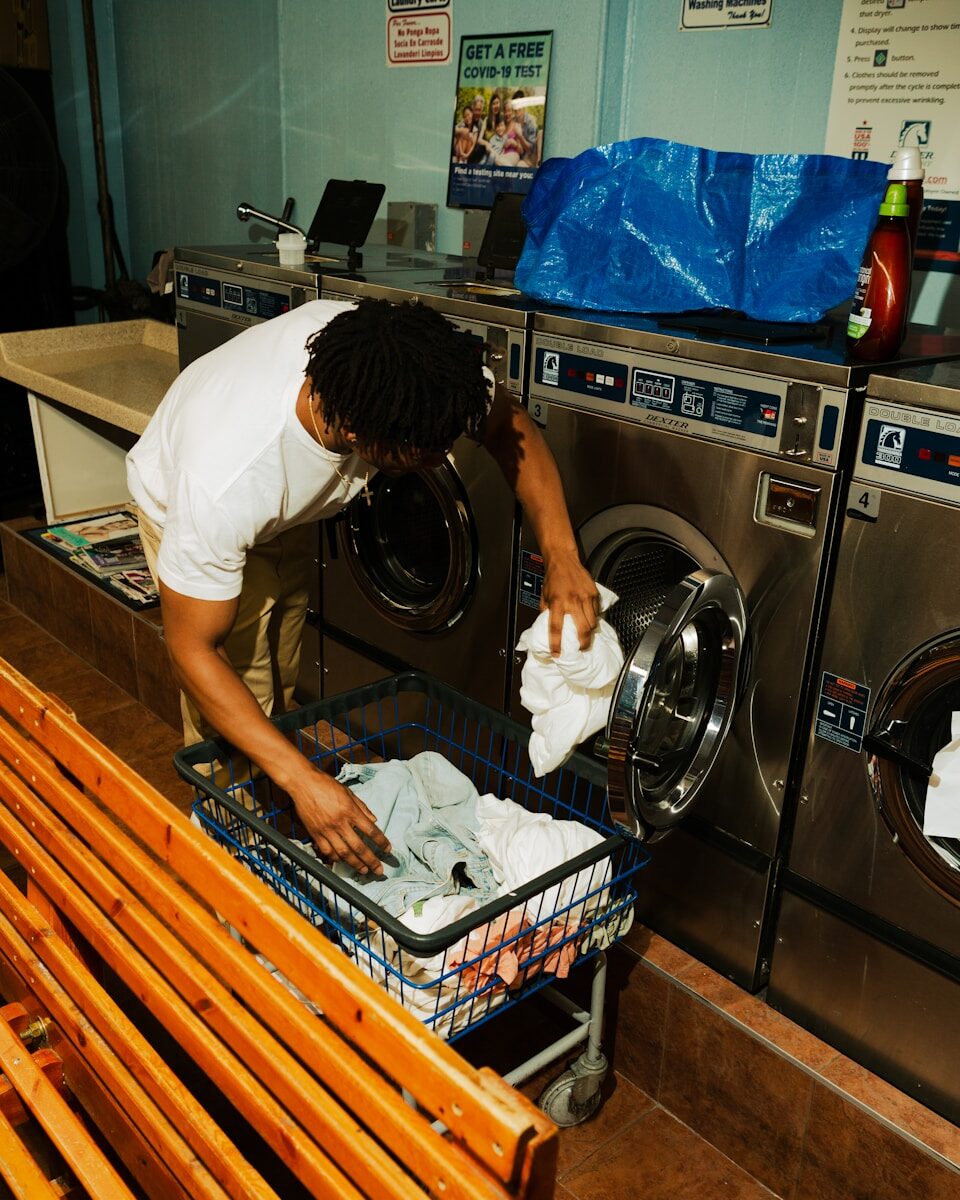
When families look into term care options, they typically think about how many nurses are caring for patients or how quickly they can see a doctor. Even though medical care is really important, the people who work behind the scenes are actually the ones who make sure everything runs smoothly and safely. A clean room and a good meal are not just nice to have; long-term care options like these are essential to prevent people from getting very sick with infections and to keep their bodies from getting too weak. Long-term care options that provide these needs are the foundation of a safe environment. When these auxiliary departments fail to maintain strict standards, the risk of serious senior care facility abuse and systemic neglect skyrockets, proving that safety is a facility-wide responsibility rather than just a medical one.
The Serious Medical Risks of Food Contamination and Poor Dietary Management
Kitchens in care facilities are high-pressure environments; one dietary misstep can lead to a medical emergency. Residents with swallowing problems are at immediate risk for choking on food that is not pureed perfectly, leading to pneumonia. And on top of that, seniors often have weaker immune systems, so common kitchen bacteria such as Salmonella or E. coli can kill quickly in a communal dining room. Federal health reports emphasize that strict food safety guidelines for institutional kitchens are necessary because nutritional mismanagement causes the fast physical decline often associated with institutional neglect.
Preventing Fatal Outbreaks Through Specialized Laundry Protocols
The laundry team eliminates infectious bugs such as MRSA and C. diff by walking through a facility. Regular home washing is not enough – linens need industrial heat and special chemicals to really kill these tough germs. If staff cut corners, contaminated sheets can turn minor bedsores into severe infections and make the entire floor sick fast. It is not hard to imagine why proper laundry techniques are so important for safeguarding against the spread of these dangers.
How Support Staff Keep Direct Eyes on Resident Well-Being
Kitchen and laundry workers often talk to residents in a friendly way that nurses who are busy do not usually get to see. For example, the person who serves breakfast might notice that a resident is not eating as much as they used to, is shaking and having trouble holding their fork, or seems confused all of a sudden. A laundry worker who is bringing back clothes might notice that a resident has bruises they did not have before, that their clothes are torn, or that they are too loose because they have lost weight. The people in charge of making rules for the state have made it easy for people to report if something is not safe in a nursing home because the people who work in the kitchen and laundry often see problems that are not immediately obvious and that could become big issues if they are not taken care of.
Conclusion
True resident safety is impossible to achieve if a facility treats its kitchen team and laundry team as less important than the clinical staff. When management cuts funding, reduces staff, or fails to train these departments properly, the whole building becomes unsafe. This can lead to senior care facility abuse through neglect. Families should remember that a clean and well-fed environment is a right for every resident. This requires every single worker in the building to be on top of their job. Protecting seniors needs a team effort. A clean sheet and a safe meal are just as important as a dose of medicine. Every worker in the building plays a role in keeping residents safe. A sanitized sheet and a safely prepared plate matter a lot.
Where the legal industry reads first.
Enjoyed this article? Get the biggest legal industry updates, deals, appointments, insights and expert interviews in your inbox, free.
No spam. Unsubscribe anytime.From Legal Desire
Is your firm the one being cited, or the one being skipped?
We ran the test. On several everyday legal questions, software companies are answering and law firms are not. We help firms fix that, and we build the technology behind the practice.
Lawyers and firms: get featured on Legal Desire
Share your deals, lateral moves, firm news and insights with 1M+ monthly readers: founders, law firm partners, general counsel and practising lawyers across the US, UK, EU and GCC.
Get featuredSubmit a press release