
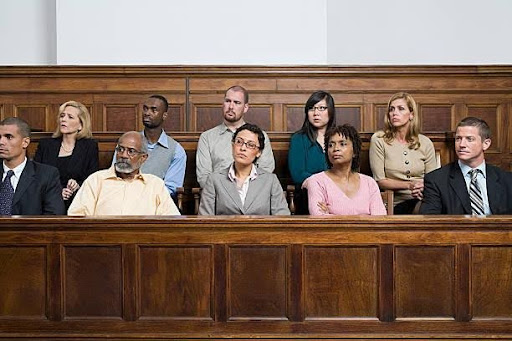
Jury duty exists for one main reason: the court system does not want legal decisions resting entirely in the hands of judges, prosecutors, or the government. Instead, regular people are brought into the process to hear the facts and decide cases. That system helps keep trials fair and gives the public a direct role in how justice works.
Most jurors are randomly selected from records such as voter registration lists or driver’s license databases. The idea is that a jury should reflect the community, not just people who work in the legal system every day. For many people, though, getting a jury summons feels more stressful than meaningful. It usually arrives without warning and can disrupt work, school, childcare, or travel plans.
If you want to learn about how to get out of jury duty, you should know that courts sometimes allow postponements, hardship excuses, or exemptions depending on state law and personal circumstances. Even so, jury service remains one of the few ways ordinary citizens directly influence the justice system and help protect the right to a fair trial.
How Jury Duty Supports Fair Trials
The U.S. Constitution protects the right to a jury trial in both criminal and civil cases. The Sixth Amendment guarantees juries in criminal prosecutions, while the Seventh Amendment covers many civil disputes. Jury duty exists because the legal system does not want one person alone deciding guilt, innocence, or financial responsibility.
The idea is simple: ordinary citizens help keep the system balanced.
Roughly 32 million people receive jury summonses in the U.S. each year. Around 5 million end up serving as jurors or appearing for jury selection. Those numbers show how much courts rely on public participation.
Why Jury Duty Exists
To Prevent Government Abuse
Juries act as a check on government power. Prosecutors, police, and judges all work inside the legal system. Jurors come from outside it.
That separation matters.
A jury can reject weak evidence, challenge unfair arguments, or refuse to convict when the facts do not support the charges. Under 18 U.S.C. § 3432, federal criminal defendants also have the right to review witness information before trial in many serious cases. Laws like this aim to protect fairness from the start.
To Reflect the Community
Courts want juries to represent a mix of people, backgrounds, and experiences. A diverse jury helps reduce bias and improves trust in verdicts.
The Jury Selection and Service Act of 1968, codified under 28 U.S.C. § 1861, states that all litigants in federal courts have the right to juries selected “at random from a fair cross section of the community.”
That rule exists for a reason. Different viewpoints can lead to more careful discussions during deliberations.
To Protect Defendants’ Rights
A jury trial gives defendants another layer of protection before the government can punish them.
In criminal court, prosecutors must prove guilt “beyond a reasonable doubt.” Jurors decide whether the evidence actually meets that standard. If the prosecution fails, the jury can acquit the defendant.
That safeguard has existed in American law for centuries.
What Jurors Actually Do
Jury service involves more than sitting in a courtroom. Jurors must:
- Listen to testimony
- Review evidence
- Follow the judge’s instructions
- Discuss the case with other jurors
- Reach a verdict based on facts, not emotion
Most trials last only a few days. Some complex civil or criminal cases take longer.
Federal law also protects many workers who serve. Under 28 U.S.C. § 1875, employers cannot fire, threaten, or intimidate employees because of federal jury service.
Why the System Still Matters
Jury duty can feel inconvenient. Long waits, missed work, and schedule changes frustrate many people. Still, the system depends on citizens showing up.
Without juries, courts would place more power in the hands of judges and government officials alone. Jury service spreads that responsibility across the public. That shared responsibility helps keep trials fair, transparent, and tied to the community instead of politics or pressure.
Key Takeaways
- Jury duty exists to keep trials fair by involving ordinary citizens in legal decisions.
- The Sixth and Seventh Amendments protect the right to jury trials in criminal and many civil cases.
- Juries help prevent government abuse by reviewing evidence independently from judges and prosecutors.
- Federal law under 28 U.S.C. § 1861 requires juries to come from a fair cross section of the community.
- Jurors decide whether prosecutors proved guilt “beyond a reasonable doubt” in criminal trials.
- Jury service includes reviewing evidence, discussing the case, and reaching a fact-based verdict.
- Laws like 28 U.S.C. § 1875 protect employees from punishment for serving on federal juries.
Where the legal industry reads first.
Enjoyed this article? Get the biggest legal industry updates, deals, appointments, insights and expert interviews in your inbox, free.
No spam. Unsubscribe anytime.From Legal Desire
Is your firm the one being cited, or the one being skipped?
We ran the test. On several everyday legal questions, software companies are answering and law firms are not. We help firms fix that, and we build the technology behind the practice.
Lawyers and firms: get featured on Legal Desire
Share your deals, lateral moves, firm news and insights with 1M+ monthly readers: founders, law firm partners, general counsel and practising lawyers across the US, UK, EU and GCC.
Get featuredSubmit a press release