
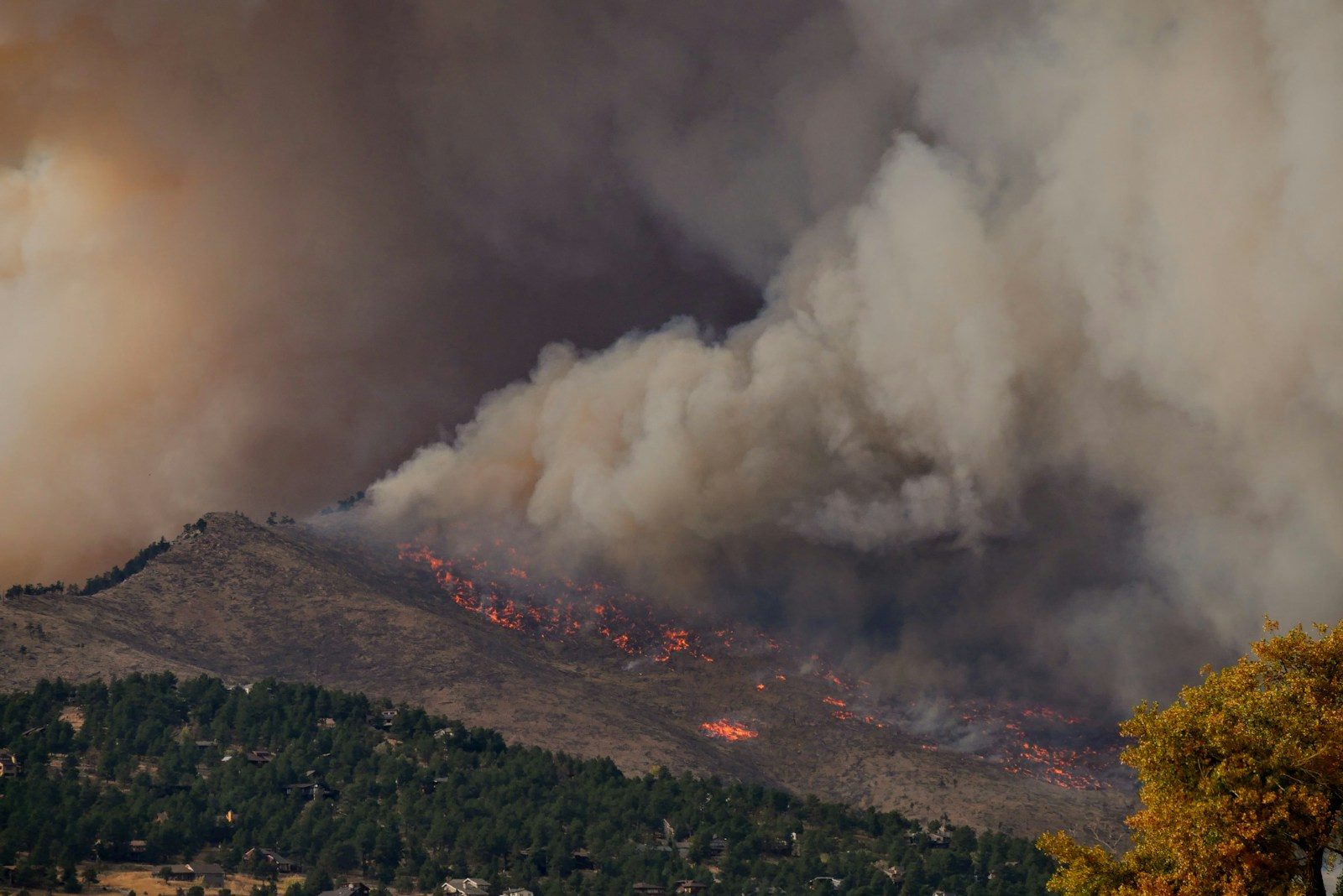
Wildfires can destroy homes, businesses, and entire communities in a matter of hours. After the flames are out, one of the biggest questions people face is: who pays for the damage? Liability in wildfire cases isn’t always straightforward.
It depends on how the fire started, who was responsible for preventing it, and whether negligence can be proven. Understanding the legal basics can help victims make informed decisions when filing claims or seeking compensation.
What Determines Liability in a Wildfire Case?
When a wildfire causes damage, liability usually comes down to cause and responsibility. If a specific party’s actions, or failure to act, led to the fire, they may be held legally responsible. Resources like Fire Help Center can help victims understand how these claims are built and what evidence matters most. In legal terms, most wildfire cases rely on negligence. This means showing that:
- A person or company had a duty to act safely
- They failed to meet that duty
- Their failure caused the fire
- The fire led to measurable damages
For example, if a company ignores safety warnings about faulty equipment and that equipment sparks a fire, that failure can form the basis of a claim.
Common Parties That May Be Held Liable
Here’s some people that can be held accountable
1. Utility Companies
Electric utilities are one of the most frequently sued parties in wildfire cases. Power lines, transformers, and other equipment can ignite fires, especially in dry and windy conditions. In some states, utilities can even be held liable without proof of negligence if their equipment caused the fire under a legal concept called inverse condemnation. This is why wildfire claims against utilities often involve massive payouts. In fact, utilities have faced billions in liability due to fire-related lawsuits and settlements.
2. Property Owners
Private landowners can also be liable if a fire starts on their property due to unsafe conditions. Examples include:
- Failing to clear dry vegetation
- Burning debris without proper precautions
- Ignoring local fire restrictions
If it’s shown that a reasonable person would have prevented the risk, liability can follow.
3. Businesses and Contractors
Construction companies, logging operations, or equipment operators may be responsible if their activities spark a fire. Machinery that produces heat or sparks, like welding tools or chainsaws, can easily ignite dry surroundings if used carelessly.
4. Government Entities
In some cases, government agencies may be involved, especially if the fire started on public land or during controlled burns. However, suing a government entity is more complex due to legal protections and procedural requirements.
How Liability Is Proven in Practice
Winning a wildfire claim requires evidence, not assumptions. Strong cases typically include:
- Fire investigation reports identifying the origin
- Maintenance or inspection records, especially for utilities
- Witness statements or video evidence
- Expert testimony on fire behavior
For example, if investigators trace a fire back to a specific power line, lawyers can then examine whether the company maintained it properly or should have shut it down during high-risk conditions.
What Compensation Can Cover
If liability is established, victims may be entitled to compensation for:
- Property damage (homes, vehicles, land)
- Temporary housing and relocation costs
- Lost income or business interruption
- Medical expenses and emotional distress
In large cases, governments may also seek recovery for firefighting costs and environmental damage.
Endnote
Wildfire liability depends on one central question: could the damage have been prevented? If the answer is yes, and a specific party failed to act responsibly, they can be held legally accountable. The challenge lies in proving that connection with solid evidence. For victims, understanding who may be liable, whether it’s a utility company, property owner, or business, is the first step toward recovering losses and rebuilding after a devastating event.
Where the legal industry reads first.
Enjoyed this article? Get the biggest legal industry updates, deals, appointments, insights and expert interviews in your inbox, free.
No spam. Unsubscribe anytime.From Legal Desire
Is your firm the one being cited, or the one being skipped?
We ran the test. On several everyday legal questions, software companies are answering and law firms are not. We help firms fix that, and we build the technology behind the practice.
Lawyers and firms: get featured on Legal Desire
Share your deals, lateral moves, firm news and insights with 1M+ monthly readers: founders, law firm partners, general counsel and practising lawyers across the US, UK, EU and GCC.
Get featuredSubmit a press release