
Now Reading: Rights of Inmates in South Carolina Federal Prisons
-
01
Rights of Inmates in South Carolina Federal Prisons

South Carolina is known for its deep historical roots, from its role in early American history to its well-preserved coastal cities. The state blends Southern culture, agriculture, and tourism, with places like Charleston drawing national attention. Its economy is supported by manufacturing, farming, and a growing industrial base.
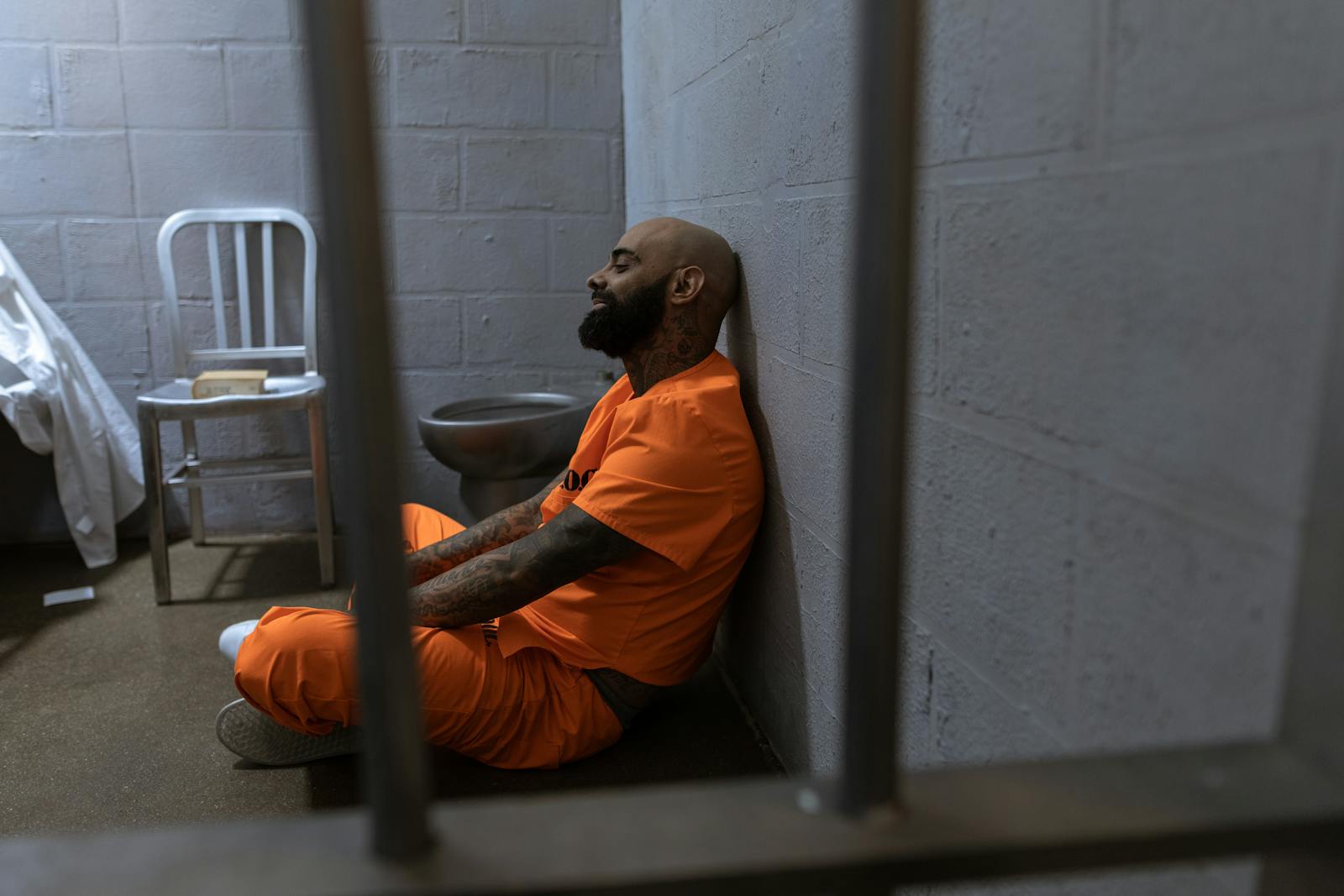
People who are incarcerated do not give up all of their rights at the prison door. In South Carolina, inmates in both state and federal facilities are still protected by the U.S. Constitution and a body of state and federal law that sets clear limits on how they can be treated. Those protections cover everything from physical safety and medical care to the right to file complaints and seek legal recourse.
South Carolina operates 21 state prisons and is also home to federal detention facilities that fall under Bureau of Prisons oversight. Whether someone is held in a state or federal facility, the core protections remain. For those navigating the system or trying to help a loved one do so, understanding what the law actually guarantees inside federal prisons in South Carolina is where that conversation has to start.
What Constitutional Protections Apply to Inmates?
The Eighth Amendment to the U.S. Constitution is the primary legal shield for incarcerated people. It prohibits cruel and unusual punishment, and courts have interpreted that broadly over the years.
Using excessive force against an inmate violates the Eighth Amendment. So does denying someone necessary medical care, leaving them in dangerous or unsanitary conditions for extended periods, or subjecting them to prolonged isolation without justification.
South Carolina courts have recognized all of these as forms of unconstitutional treatment. There have been documented cases in the state where inmates died after being denied basic healthcare, and in some of those situations, courts noted that prison officials actively tried to conceal what had happened.
Beyond the Eighth Amendment, the First Amendment protects an inmate’s right to file grievances and complaints without retaliation. The Fourteenth Amendment guarantees due process before certain disciplinary actions are taken.
What Specific Rights Do South Carolina Inmates Have?
Here is what the law actually protects:
Physical Safety
Inmates have the right to be free from physical attack, whether it comes from other inmates or from correctional staff. That protection extends to excessive force used by guards, not just violence between inmates.
Freedom from Sexual Abuse
South Carolina law requires gender separation inside facilities specifically to reduce sexual misconduct. Female inmates still face disproportionate harassment from male officers, and that does not make it legal. Pregnant inmates carry additional protections against physical restraint as well.
Release on Time
No inmate can legally be held past their maximum out date. That right is not discretionary.
Medical and Mental Health Care
Basic healthcare is a right, not a courtesy. Denying an inmate necessary medical or mental health treatment is a constitutional violation, and South Carolina courts have ruled on this more than once.
Humane Living Conditions
Adequate food, water, and sanitation are all legally required. Leaving someone in dangerous or filthy conditions for extended periods crosses into unconstitutional territory.
The Right to Complain
Inmates can file grievances without fear of retaliation. That right is protected under the First Amendment.
Personal Injury Rights
If someone is hurt because of a hazardous condition on prison grounds, be it a slip and fall, for example, a legal claim may still be available.
Key Takeaways
- A conviction strips certain rights, but not the right to basic safety, dignity, and care.
- The Eighth Amendment covers excessive force, medical neglect, unsanitary conditions, and prolonged isolation.
- Physical attacks from staff or other inmates are illegal, full stop.
- Sexual abuse is prohibited, and South Carolina law requires gender separation to limit that risk.
- Medical and mental health care are constitutionally protected rights, not privileges that the facility can withhold.
- No one can be held past their legal release date.