
Now Reading: California Personal Injury Firms Shift Focus to Complex Traffic Cases
-
01
California Personal Injury Firms Shift Focus to Complex Traffic Cases


The high-stakes reality of traffic accidents on California’s busy freight corridors is presenting unique legal challenges. An increasing frequency of severe, multi-vehicle collisions involving commercial trucks has been reported across the state, demanding a more specialized form of legal representation to address complex liability issues.
This environment has prompted a significant strategic pivot within California’s personal injury sector. Law firms are moving beyond standard auto accident claims to specialize in high-complexity commercial vehicle cases. This shift is an essential adaptation to a new reality defined by sophisticated vehicle technology, stringent federal regulations, and catastrophic incident outcomes.
This analysis explores the primary forces driving this evolution, details the “rapid-response” playbook modern firms are adopting, and examines how local practices are positioning themselves to lead in this demanding field.
The Driving Forces: Why the Shift to Complex Cases is Happening Now
The Rise in Severe and Complicated Accidents
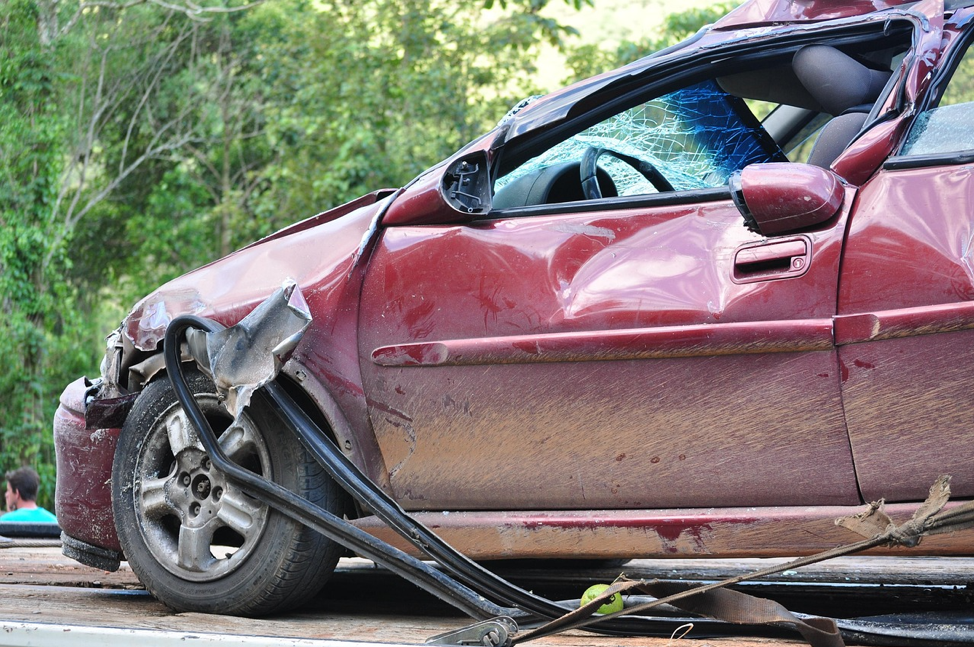
California’s role as a major economic and logistics hub contributes to some of the nation’s most heavily trafficked and dangerous highways. These busy shipping routes are the sites of increasingly severe incidents, including multi-vehicle pile-ups and catastrophic commercial truck crashes.
The nature of these collisions often involves complex liability structures that extend far beyond a simple two-driver incident. Determining fault requires a detailed investigation of multiple parties, including drivers, trucking companies, maintenance contractors, and manufacturers.
The Digital Evidence Imperative
Modern truck litigation is frequently described as an “evidence sprint, not a paperwork marathon”. Crucial electronic evidence from Electronic Logging Devices (ELDs), “black box” event data recorders, and fleet telematics can be overwritten or lost within days, or even hours, of a crash.
Trucking companies and their insurers often deploy their own investigators to a scene within the first hour, creating an “evidence race” where early legal action is paramount. This immediate response is necessary to preserve the digital narrative of the incident before it can be altered or deleted.
Navigating a Complex Regulatory Maze
Violations of FMCSR are often central to proving negligence and establishing liability in court. This requires specialized legal knowledge that goes far beyond standard personal injury law, as attorneys must conduct deep audits of company records to identify systemic safety failures.
The New Playbook: How Firms Are Adapting Their Strategies
Building Rapid-Response Investigation Teams
Proactive personal injury firms are now structured to deploy accident reconstructionists, data forensics experts, and field investigators to a crash scene immediately, rather than waiting for an official police report. This model is a direct response to the perishable nature of both physical and digital evidence in catastrophic accidents.
The critical first steps in a modern complex case involve a coordinated effort to secure all relevant information. These actions include:
- Immediate Scene Investigation: Dispatching investigators to document perishable evidence like skid marks, debris fields, and vehicle positions.
- Digital Evidence Preservation: Sending official spoliation letters to trucking companies, legally obligating them to preserve all electronic data, driver logs, and maintenance records.
- Forensic Data Extraction: Hiring experts to download and analyze data from a vehicle’s event data recorder (EDR or “black box”) and the truck’s electronic control module (ECM).
- Early Expert Engagement: Retaining medical, economic, and vocational experts early to build a comprehensive damages model for clients with life-altering injuries.
- Regulatory Compliance Audits: Conducting deep-dive audits of a trucking company’s records to identify systemic safety failures or FMCSR violations.
Investing in Technology and Specialized Expertise
This new playbook requires significant investment in expanded resources. Firms are actively hiring attorneys with trucking litigation backgrounds and dedicating substantial budgets to expert witnesses and data analysis technology. This reflects a broader trend across the legal field, where law firms’ adoption of AI-based tools nearly tripled from 11% to 30% between 2023 and 2024.
A Local Leader in a Shifting Landscape: The Sacramento Example
How Sacramento Firms Are Responding to Regional Needs
Sacramento is a key battleground for this new litigation style, situated at the junction of major Northern California freight routes, including I-5 and I-80. The city’s legal market has seen significant movement, with partner moves doubling in 2023, suggesting a highly competitive environment where adaptation is crucial for success.
In this competitive arena, firms like the Sacramento Law Offices of Dale R. Gomes exemplify the adaptability required to succeed. With over two decades of trial experience, the firm has built a strong foundation for managing high-stakes, complex personal injury litigation. Their established reputation for aggressive advocacy is crucial when facing the sophisticated defense teams deployed by large trucking and insurance corporations.
What sets the firm apart is its dual focus on both personal injury and criminal defense. This unique combination provides an invaluable perspective in severe accident cases where issues like DUI or hit-and-run may overlap, allowing for a more comprehensive legal strategy.
The firm’s commitment to timely investigation and personalized client care aligns directly with the demands of modern complex cases. By prioritizing rapid action and building strong partnerships with clients, they serve as a trusted resource for Sacramento-area victims navigating the most challenging accident cases.
Comparison Table: Old vs. New Approaches to PI Accident Cases
| Aspect of Case Management | Traditional PI Approach | Modern Complex Case Approach |
|---|---|---|
| Initial Investigation | Begins after client consultation, relies on police reports. | Rapid-response team dispatched within hours of the accident. |
| Evidence Focus | Witness statements, photos of physical damage. | Electronic data (black box, ELDs), forensic analysis, spoliation letters. |
| Legal Expertise | General personal injury law. | Specialized knowledge of FMCSR and trucking industry regulations. |
| Case Timeline | Slower, more reactive discovery process. | Proactive “evidence sprint” to secure critical data before it’s lost. |
| Client Interaction | Standard legal updates on case progress. | Close partnership and personalized guidance through complex, high-stress litigation. |
The Future of Personal Injury Law in California
The shift toward complex traffic litigation represents a fundamental and permanent evolution in California’s personal injury landscape. Success is no longer determined by boilerplate legal work but by speed, specialization, and strategic investment in technology and expert resources.
The attorneys and firms that will define the future of this practice area are those who have mastered the art of rapid, tech-driven investigation. These practitioners provide the sophisticated, unwavering advocacy required to secure justice for victims of catastrophic accidents. This new, higher standard of litigation is quickly becoming the benchmark for effective representation in California.