
Now Reading: Why Trucking Collisions Require Thorough Investigations
-
01
Why Trucking Collisions Require Thorough Investigations
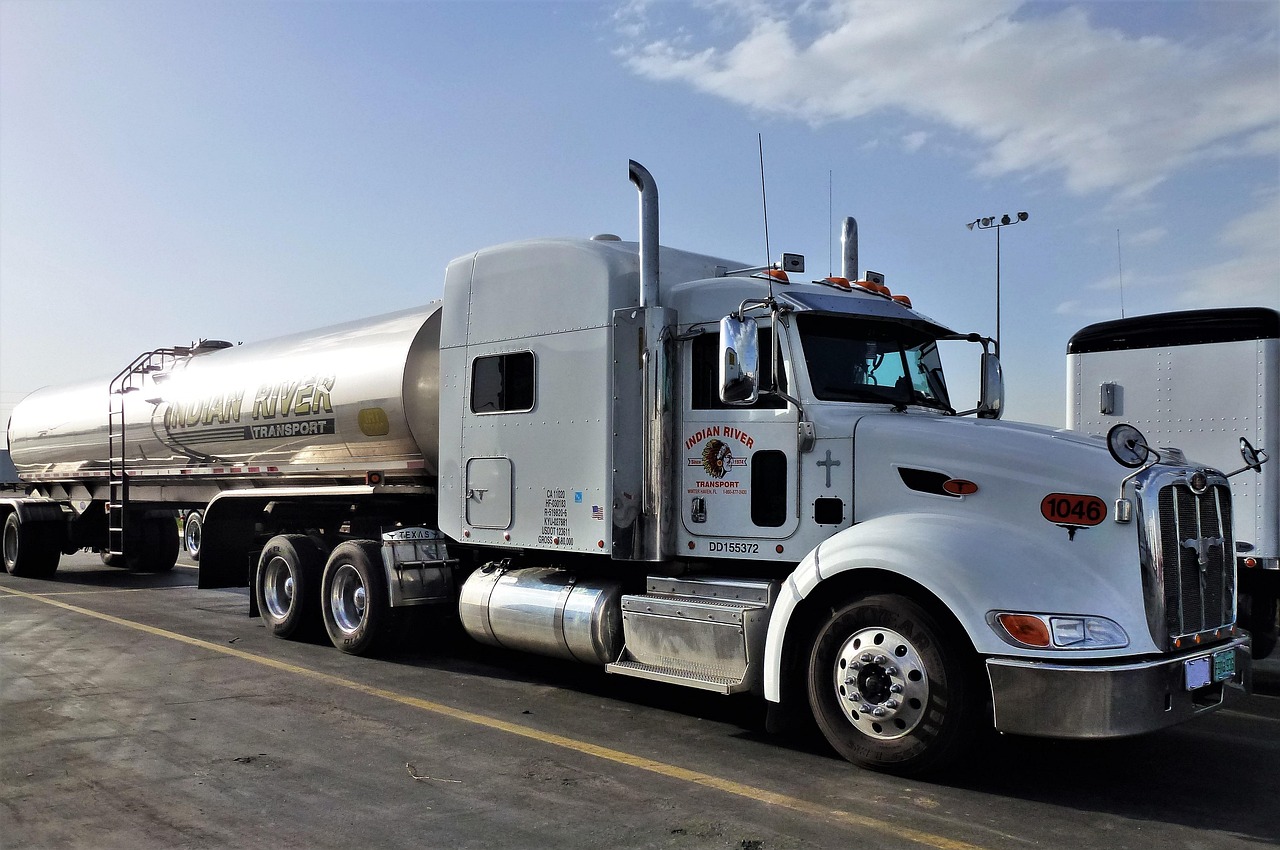

When a passenger vehicle collides with a commercial semi-truck, the aftermath is rarely a simple matter of exchanging insurance information. Because of the massive disparity in size and weight—an 80,000-pound tractor-trailer versus a 4,000-pound car—the physical and legal consequences are immense.
A thorough investigation is not just a procedural formality; it is the only way to level the playing field against multi-billion dollar trucking corporations. These companies often deploy rapid-response teams to accident scenes within hours to mitigate their liability. To protect your rights, a comprehensive independent inquiry is essential.
The Complexity of Liability in Commercial Trucking
One of the primary reasons trucking collisions require deep dives is the sheer number of potentially liable parties. In a standard car accident, you usually look at the other driver. In the trucking industry, the web of responsibility is much wider.
- The Truck Driver: May be liable for fatigue, distraction, or impaired driving.
- The Trucking Company: Responsible for negligent hiring, inadequate training, or pressuring drivers to exceed legal limits.
- Maintenance Providers: Liable if a mechanical failure, such as brake or tire failure, was caused by poor servicing.
- Cargo Loaders: Responsible if an imbalanced or unsecured load caused a rollover or a “jackknife” event.
Without a detailed investigation into the contracts and relationships between these entities, a victim might miss the party actually responsible for the catastrophic failure.
Federal Regulations and the FMCSA
Commercial trucking is governed by a strict set of rules known as the Federal Motor Carrier Safety Regulations. These are enforced by the Federal Motor Carrier Safety Administration, which sets the standards for everything from how many hours a driver can be on the road to how often a truck’s brakes must be inspected.
When an accident occurs, investigators look specifically for “regulatory non-compliance.” If a trucking company violated these federal mandates, it can serve as powerful evidence of negligence. Common violations include:
- Hours of Service (HOS): Drivers are limited to 11 hours of driving in a 14-hour window. Fatigue is a leading cause of crashes.
- Driver Qualification Files: Companies must maintain records proving their drivers are medically fit and properly licensed.
- Drug and Alcohol Testing: Post-accident testing is often mandatory under federal law to determine if substances played a role.
The Role of Modern Technology in Reconstructing the Crash
Modern semi-trucks are essentially moving data centers. A thorough investigation involves harvesting “digital evidence” that is not visible to the naked eye.
Electronic Logging Devices (ELDs)
Gone are the days of hand-written paper logs that drivers could easily falsify (often called “comic books” in the industry). ELDs are now mandatory and automatically record driving time by syncing with the truck’s engine. Investigators compare these logs against GPS data and fuel receipts to see if a driver was “running illegal” to meet a tight deadline.
Event Data Recorders (The “Black Box”)
Similar to the black boxes found on airplanes, an Event Data Recorder (EDR) captures critical technical data in the seconds leading up to a collision. This data can reveal:
- The exact speed at the moment of impact.
- Whether the driver applied the brakes (and with how much force).
- Steering input and sudden deceleration patterns.
- Engine performance and potential mechanical faults.
Because this data can be overwritten after a few weeks or a certain number of “engine cycles,” it is imperative to send a spoliation letter immediately. This legal notice prevents the trucking company from destroying or altering the digital evidence.
Physical Evidence Preservation at the Scene
While digital data is vital, the physical scene provides context that technology cannot. Expert accident reconstructionists use a variety of factors to piece together the sequence of events.
- Skid Marks and Yaw Marks: These help determine the truck’s speed and direction before the driver lost control.
- Debris Patterns: The spread of glass, plastic, and fluids helps locate the exact point of impact.
- Electronic Control Module (ECM) Data: This can provide a “snapshot” of the engine’s status during the crash.
If you are involved in an Everett truck accident, securing this scene evidence before it is washed away by rain or cleared by highway crews is a top priority.
Why You Need Professional Legal Oversight
The trucking industry is backed by powerful insurance companies and legal teams whose sole job is to minimize payouts. They may offer a quick settlement that seems large but fails to account for long-term medical care, lost earning capacity, or the full extent of the trauma.
An experienced legal team acts as your own private investigative force. They can subpoena internal company records, hire forensic engineers, and interview witnesses before their memories fade. You can find more information about the specialized legal expertise required for these cases at Murphy Trial Law.
The High Stakes of Under-Investigation
Missing even one piece of evidence—like a maintenance record showing a history of brake issues—could result in the case being dismissed or the settlement being slashed. A thorough investigation ensures that the truth is based on hard data and physical facts, rather than the “he-said, she-said” narratives that defense attorneys often rely on.
Conclusion
In conclusion, trucking collisions are not just “big car accidents.” They are complex legal battles involving federal law, sophisticated technology, and multiple corporate entities. If you or a loved one has been affected, ensuring a rigorous, professional investigation is the first step toward achieving justice and securing the compensation needed for recovery.
About the author: Mark Scott

With a law degree under his belt, Mark Scott understood very early that law communication was a relatively neglected area. He decided to help people by “translating” the language and offering information and advice in a clear, useful, and actionable manner. For this reason, instead of finding him in court, you will most likely find his name online, where he is very active and thriving as a legal columnist. His part of making the world a better place is to make the law a less convoluted maze. He aims to make it easier for people to understand when and how to seek legal counsel, how to proceed in a significant number of legal matters, and to find the proper resources so they can stand up for their rights.