
Now Reading: Fighting for Fair Compensation After a Chicago Car Accident
-
01
Fighting for Fair Compensation After a Chicago Car Accident
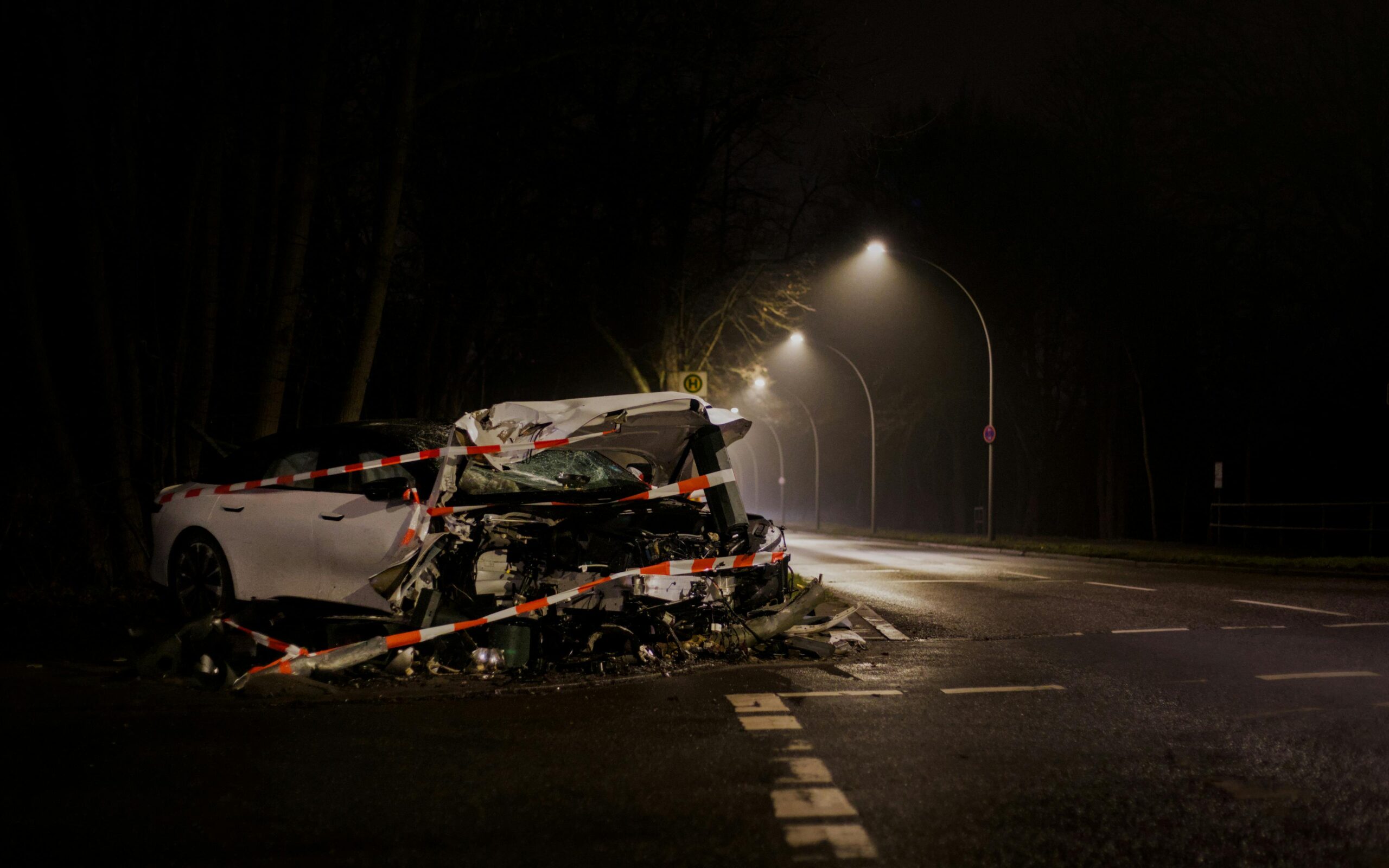

Car accidents on Chicago’s busy streets and expressways happen with alarming frequency, disrupting lives and leaving victims facing physical injuries, mounting medical bills, lost income, and overwhelming stress. Whether you’ve been involved in a collision on the Kennedy Expressway, Lake Shore Drive, the Dan Ryan, or navigating congested neighborhoods throughout Cook County, the aftermath creates challenges that extend far beyond vehicle damage. Illinois law provides pathways for accident victims to recover compensation from at-fault drivers, but obtaining fair settlements requires understanding your rights, navigating complex insurance systems, and often standing firm against companies whose primary goal is minimizing payouts. Insurance adjusters may contact you within hours of crashes, requesting statements and offering quick settlements before you fully understand the extent of your injuries. Without proper knowledge of Illinois law and insurance company tactics, you risk accepting inadequate compensation that leaves you struggling with ongoing medical expenses, permanent disabilities, and financial hardship for years to come.
Understanding Fault and Liability in Illinois
Illinois follows specific legal principles that determine who pays for accident damages and how much victims can recover.
Modified Comparative Negligence Rule
Illinois operates under a modified comparative negligence system with a 51% bar rule. This means you can recover damages even if you partially caused the accident, as long as your share of fault doesn’t exceed 50%. However, your compensation is reduced by your percentage of fault. For example, if you suffered $100,000 in damages but were found 20% at fault, your recovery would be reduced to $80,000.
This system creates opportunities for insurance companies to exaggerate your fault to reduce their payouts. They scrutinize police reports, witness statements, and your own words searching for evidence to attribute responsibility to you. Understanding how to protect yourself from inflated fault allegations is crucial for maximizing compensation.
Establishing the Other Driver’s Negligence
To recover compensation, you must prove that the other driver was negligent. This requires demonstrating four elements: the driver owed you a duty of care (which all drivers owe to others on the road), the driver breached that duty through careless or reckless behavior, the breach directly caused the accident, and you suffered actual damages as a result.
Common forms of driver negligence in Chicago include distracted driving (particularly cell phone use), speeding and aggressive driving, running red lights or stop signs, improper lane changes, driving under the influence, and failure to yield right-of-way. Gathering evidence that clearly establishes the other driver’s negligence strengthens your position in negotiations and potential litigation.
Critical Steps Immediately After Chicago Accidents
The actions you take in the hours and days following accidents significantly impact your ability to recover fair compensation.
Prioritizing Safety and Medical Care
Your first priority should always be safety and health. Move to a safe location if possible, call 911 to report the accident and request medical assistance, and seek medical evaluation even if you don’t feel seriously injured. Many significant injuries including whiplash, concussions, internal injuries, and soft tissue damage don’t produce immediate symptoms but become apparent hours or days later.
Delaying medical treatment creates opportunities for insurance companies to argue that injuries weren’t serious or weren’t caused by the accident. Prompt medical evaluation creates crucial documentation linking your injuries to the collision.
Documenting the Accident Scene
If you’re physically able, gather evidence at the scene. Take photographs of all vehicle damage from multiple angles, road conditions and traffic signals, weather conditions, skid marks and debris, and visible injuries. Exchange information with other drivers including names, contact details, insurance information, driver’s license numbers, and license plate numbers. Obtain contact information from witnesses who observed the accident.
This documentation creates a factual record before memories fade and evidence disappears. Understanding car accident legal processes helps you recognize what information will be important later.
Filing Police Reports
Illinois law requires reporting accidents to police when they involve injuries, death, or property damage exceeding $1,500. In Chicago, contact the Chicago Police Department, which will dispatch officers to investigate and create official accident reports. If the accident occurred on expressways, Illinois State Police may respond instead.
The police report creates an official record that insurance companies and courts rely upon heavily. Ensure your account of events is accurately documented in this report. However, avoid admitting fault or making statements like “I’m sorry,” which insurance companies may interpret as admissions of liability.
Notifying Your Insurance Company
Illinois law requires you to notify your insurance company of accidents promptly. However, limit your initial communication to basic facts about when, where, and how the accident occurred. Avoid providing detailed recorded statements or signing authorizations for complete medical record releases without first consulting legal counsel.
Insurance adjusters often use early communications to gather information they can later use to minimize claim values or deny coverage altogether.
Dealing with Insurance Companies
Insurance companies are businesses focused on protecting their profits, not ensuring you receive fair compensation.
Understanding Illinois Insurance Requirements
Illinois requires drivers to carry minimum liability insurance of $25,000 per person for bodily injury, $50,000 per accident for bodily injury, and $20,000 for property damage. However, these minimums are often insufficient to fully compensate seriously injured victims.
Additionally, Illinois requires uninsured motorist (UM) coverage at the same limits as liability coverage, though you can reject it in writing. Underinsured motorist (UIM) coverage is optional but highly recommended. These coverages protect you when at-fault drivers lack insurance or sufficient coverage to compensate you fully.
Common Insurance Company Tactics
Insurance adjusters employ various strategies to minimize payouts. They may contact you quickly offering fast settlements before you understand injury severity, request recorded statements they can use against you, question injury causation and severity, argue that treatment was excessive or unnecessary, conduct surveillance looking for activities contradicting claimed limitations, or exploit comparative negligence to reduce payouts.
Recognizing these tactics helps you avoid falling victim to them. A car accident lawyer serving Chicago at Shore Law can handle all communications with insurance companies, protecting you from these manipulative strategies.
The Importance of Not Accepting Early Offers
Initial settlement offers are typically far below claims’ actual values. Insurance companies count on victims’ desperation, hoping you’ll accept inadequate compensation to pay immediate bills. Never accept settlement offers before understanding the full extent of your injuries, completing treatment or reaching maximum medical improvement, calculating all economic losses including future expenses, and consulting with legal professionals about fair claim value.
Once you accept a settlement and sign a release, you generally cannot pursue additional compensation even if your condition worsens or you discover injuries you didn’t initially recognize.
Building a Strong Compensation Claim
Maximizing compensation requires thorough documentation and strategic case development.
Comprehensive Medical Documentation
Medical records form the foundation of injury claims. Attend all medical appointments and follow all treatment recommendations. Gaps in treatment give insurance companies opportunities to argue that injuries weren’t severe or that you failed to mitigate damages.
Keep copies of all medical bills, diagnostic test results, treatment notes, prescriptions, and receipts for medical expenses. Document how injuries affect your daily life through journals noting pain levels, activities you can no longer perform, and how injuries impact work, family time, and hobbies.
Calculating Economic Damages
Thoroughly document all financial losses related to the accident. Economic damages include medical expenses both past and future, lost wages from missed work, lost earning capacity if injuries prevent you from returning to previous employment, property damage to your vehicle and personal belongings, and out-of-pocket expenses for transportation to medical appointments, prescriptions, and other accident-related costs.
For serious injuries requiring ongoing care, economic experts can calculate future costs, ensuring your settlement or verdict accounts for lifetime needs.
Assessing Non-Economic Damages
Beyond financial losses, Illinois law allows recovery for intangible harms including pain and suffering, emotional distress and mental anguish, loss of enjoyment of life, and permanent disability or disfigurement.
Non-economic damages are more subjective and often comprise the largest portion of serious injury settlements and verdicts. Thorough documentation of how injuries affect your quality of life strengthens these claims.
Special Considerations for Chicago Accidents
Certain factors unique to Chicago and Illinois affect car accident cases.
High-Traffic Areas and Accident Hotspots
Chicago’s notorious traffic congestion creates specific accident risks. The Kennedy Expressway, Dan Ryan Expressway, and Eisenhower Expressway see frequent crashes, particularly during rush hours. Lake Shore Drive presents unique hazards with its curves, lake-effect weather conditions, and heavy traffic. The Loop and downtown Chicago involve complex intersections, pedestrian traffic, delivery vehicles, and ride-share congestion.
Accidents in these high-traffic areas may involve unique factors affecting liability and damages.
Winter Weather Accidents
Chicago’s harsh winters create dangerous driving conditions. Snow, ice, and reduced visibility contribute to thousands of accidents annually. While weather conditions alone don’t excuse negligent driving, they add complexity to liability determinations.
Drivers have duties to adjust their behavior to road conditions. Failure to slow down, increase following distance, or drive with appropriate caution in winter weather can constitute negligence even when weather contributed to accidents.
Pedestrian and Bicycle Accidents
Chicago’s dense urban environment means significant pedestrian and cyclist traffic. When vehicles strike pedestrians or cyclists, injuries are often catastrophic. These cases involve specific legal considerations regarding right-of-way, crosswalks, bike lanes, and driver responsibilities in urban environments.
The Claims and Litigation Process
Understanding what to expect helps you navigate the legal process effectively.
Demand Letters and Negotiations
Before filing lawsuits, attorneys typically submit demand letters to insurance companies. These letters outline accident facts, liability evidence, medical documentation, economic loss calculations, and compensation demands.
Strong demand letters supported by compelling evidence often lead to settlement negotiations. Experienced legal professionals leverage their knowledge of case values and negotiation skills to pursue maximum compensation.
Filing Lawsuits When Necessary
If negotiations don’t produce fair settlements, filing lawsuits may be necessary. Illinois provides a two-year statute of limitations for personal injury claims from accident dates. Missing this deadline typically bars your claims permanently.
The litigation process includes pleadings where formal complaints and answers are filed, discovery involving exchange of information and evidence, depositions of parties and witnesses, motion practice addressing legal issues, and potentially trial before judges or juries.
Settlement vs. Trial Decisions
Most car accident cases settle before trial, but achieving fair settlements requires demonstrated willingness and ability to try cases. Insurance companies negotiate more reasonably when facing well-prepared attorneys with trial experience.
Deciding whether to accept settlements or proceed to trial involves weighing guaranteed compensation against potential for higher verdicts, certainty versus uncertainty, costs and time involved in trial, and strength of liability and damages evidence.
Maximizing Your Recovery
Strategic approaches help ensure you receive full compensation for all losses.
Identifying All Liable Parties
Some accidents involve multiple potentially liable parties beyond just drivers. Employers may be liable for employees driving within the scope of employment, vehicle owners may share liability when lending vehicles to negligent drivers, bars and restaurants may face dram shop liability for over-serving intoxicated drivers, and government entities may be liable for dangerous road conditions.
Identifying all responsible parties maximizes available compensation, particularly important when damages exceed individual defendants’ insurance coverage.
Utilizing Your Own Insurance
Don’t overlook coverage from your own insurance policies. Uninsured/underinsured motorist coverage provides crucial protection when at-fault drivers lack adequate insurance, medical payments coverage pays medical bills regardless of fault, and collision coverage repairs your vehicle regardless of who caused the accident.
Protecting Future Interests
For serious injuries requiring ongoing care, ensure settlements account for future medical expenses, lost future earning capacity, ongoing pain and suffering, and permanent disability accommodations.
Never settle serious injury claims before reaching maximum medical improvement, the point where your condition has stabilized and doctors can accurately assess permanent limitations and future needs.
Moving Forward After Your Chicago Accident
Car accidents create challenges extending beyond physical injuries to encompass financial stress, emotional trauma, and uncertainty about the future. Fighting for fair compensation requires understanding Illinois law, recognizing insurance company tactics, thoroughly documenting your losses, and often obtaining professional legal guidance. Don’t let insurance companies take advantage of your vulnerable position or lack of legal knowledge. Take appropriate steps to protect your rights, gather evidence supporting your claims, and pursue the full compensation you deserve for your injuries and losses. With proper preparation and representation, you can hold negligent drivers accountable and secure resources necessary for recovery and rebuilding your life.
About the author: Irma C. Dengler

With a BA in communications and paralegal experience, Irma C. Dengler decided to make the best of her writing skills. She decided to turn complicated legal matters into something more palatable for the masses. Therefore, Irma became a law communicator who writes about everyday problems so everyone can understand them and take the appropriate action. She specializes in personal injury cases, as they are more common than anyone thinks, but her areas of expertise also include civil law, criminal law, insurance-related issues, and more.