
Now Reading: Forensic Frontiers: India’s ₹1,471 Crore Justice Upgrade
-
01
Forensic Frontiers: India’s ₹1,471 Crore Justice Upgrade


The Union Budget 2026–27 has signaled a transformative era for India’s judicial landscape, earmarking ₹1,471 crore specifically for the modernization of forensic capabilities. This financial surge isn’t just a routine upgrade; it is the backbone of a broader ₹30,000 crore five-year strategy to ensure that “justice delayed” becomes a relic of the past.
The Forensic Relevance
The timing of this allocation is critical. With the full implementation of new criminal laws like the Bharatiya Nagarik Suraksha Sanhita (BNSS), forensic evidence is no longer optional—it is mandatory for offenses punishable by seven years or more. This budget directly addresses the “bottleneck” in the Indian legal system: the forensic backlog.
- Data Integration: The ₹550 crore allocated to the Inter-Operable Criminal Justice System (ICJS) will finally bridge the gap between police, labs, and courts, allowing for the real-time sharing of digital evidence.
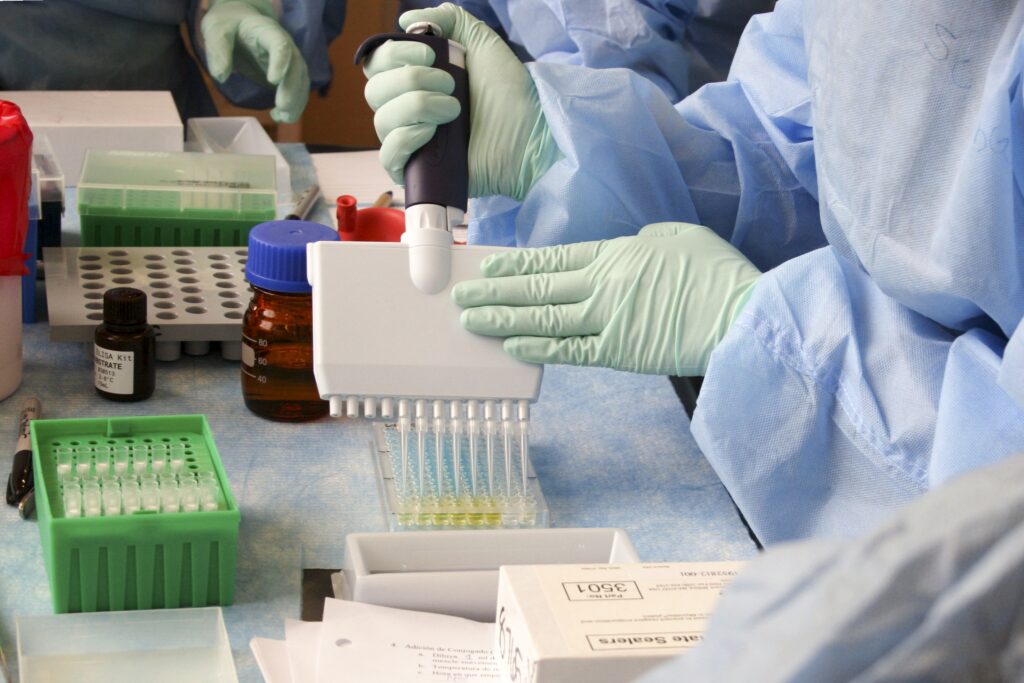
- Infrastructure & Speed: By establishing a National Forensic Data Centre and expanding the NFSU network, the government aims to decentralize forensic testing. This means DNA analysis and cyber-forensics can happen locally, drastically reducing the turnaround time for evidentiary reports.
- Specialized Protection: A dedicated ₹500 crore under the “Safety of Women” initiative focuses on rapid-response DNA and cyber-forensic labs, ensuring high-priority crimes are processed with scientific precision and speed.
Key Figures at a Glance
- Forensic Modernization: ₹1,471 Cr
- ICJS Integration: ₹550 Cr
- Women’s Safety Forensics: ₹500 Cr
- Criminology R&D: ₹132.89 Cr (34% increase)
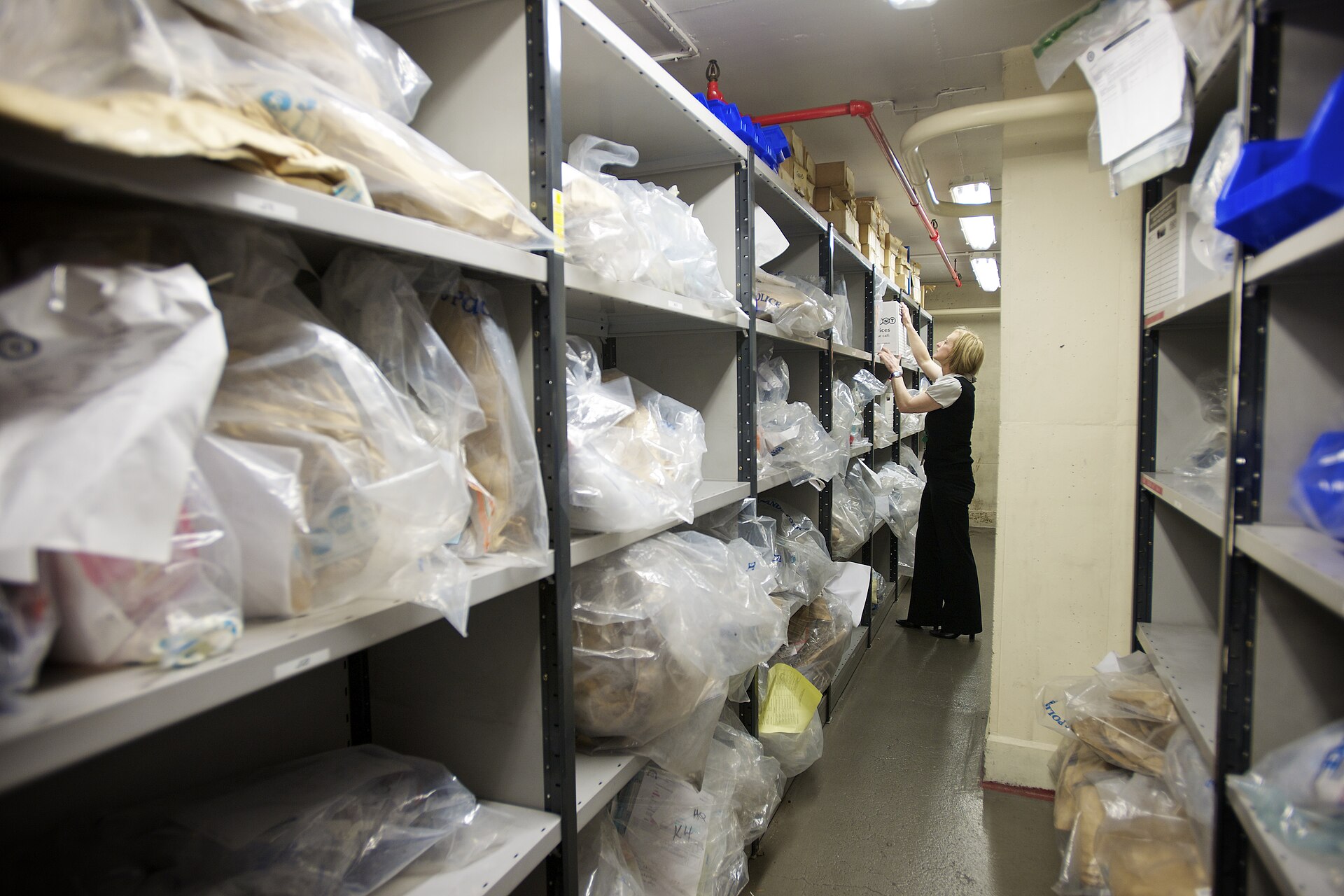
This budget shifts the Indian investigation model from a confession-led approach to a science-led approach, reinforcing the credibility of the “Chain of Custody” and boosting conviction rates through undisputed technical data.