

Now Reading: How to Prepare for an Injunction Hearing
-
01
How to Prepare for an Injunction Hearing
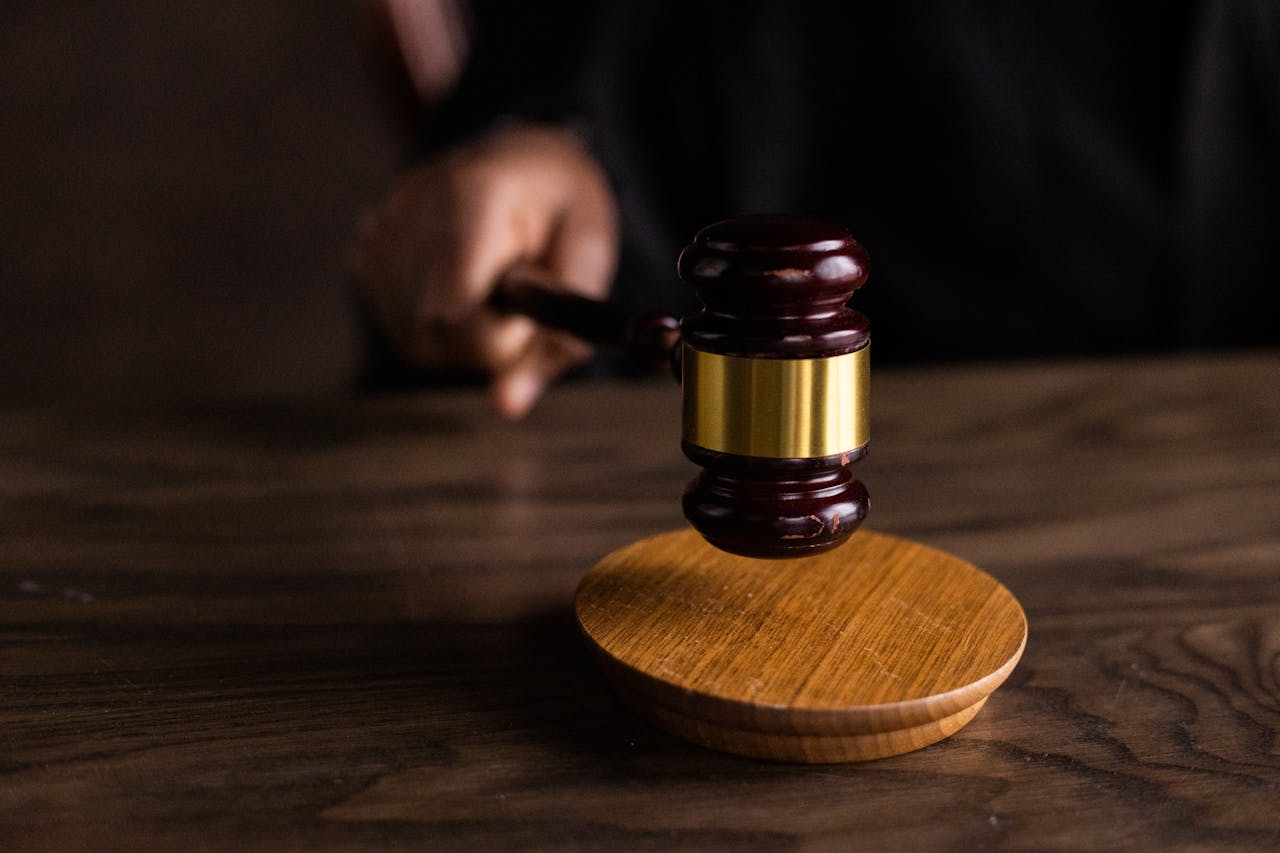

An injunction hearing is a short, focused court proceeding where a judge decides whether to put temporary rules or restrictions in place to prevent harm or keep a situation from getting worse.
These orders can affect things like contact between people, property use, personal safety, or access to shared spaces. They’re often handled on a tight timeline.
Because the court moves quickly and relies on clear, well‑organized facts, knowing how to prepare can make the hearing feel far more manageable. In this guide, we’ll walk through the key steps you can take to get ready and present your information effectively.
Start With Legal Support Familiar With the Local Process
Injunction hearings are often fast‑paced, and each courthouse has its own way of scheduling, filing, and handling evidence. Working with attorneys who regularly appear in the same area where your hearing is set can make the preparation process smoother.
For example, if your hearing is scheduled in Seminole County, partnering with injunction attorneys in Sanford gives you support from lawyers familiar with local filing practices and common evidentiary expectations.
Understand What the Judge Needs to See
Judges in injunction hearings focus on whether immediate action is necessary to prevent harm. That means your role is to provide clear, specific facts rather than long explanations or emotional details.
Organized information and straightforward testimony help the court reach decisions quickly. Your goal is to show the judge exactly what happened and why it matters within the narrow scope of the injunction request.
Gather and Organize Your Evidence
Your evidence forms the backbone of your presentation. Start gathering anything that directly supports your position. The more organized it is, the easier it will be to explain your side clearly and confidently.
Your evidence could include:
- A written timeline with dates and important events
- Screenshots, messages, or written communications
- Reports or statements from third parties
Missing documents or scattered evidence often weaken a party’s credibility. Labeling everything and arranging it in a logical order helps you stay focused during the hearing and reduces stress when speaking.
Prepare Your Testimony Effectively
Your testimony should be brief, focused, and tied directly to the issue before the judge. Practice explaining what happened in a straightforward way, avoiding unnecessary background details. If you expect the other side to dispute certain facts, prepare calm, direct responses.
A few practice sessions with a friend or advisor can help you stay clear and steady when it’s time to speak.
Follow Every Instruction in Your Court Documents
When you receive a temporary order or hearing notice, read it carefully. These documents often include rules that apply immediately.
Responding promptly, meeting deadlines, and complying with temporary restrictions all matter. Missing even a small step can limit what you’re allowed to present or affect how the judge views your preparation.
If the temporary order includes restrictions on communication or contact, follow them exactly. Even an accidental violation may be raised during the hearing and could influence the judge’s decision.
Learn What to Expect in the Courtroom
A little familiarity goes a long way on hearing day. Arrive early so you have time to find the right courtroom and settle your nerves.
Dress neatly, silence your phone, and keep your documents within easy reach. Also, understanding when to stand, how to address the judge, and where to sit helps you stay focused on your testimony rather than the setting.
Bring Your Preparation Together for a Steady Hearing Day
Preparing for an injunction hearing is all about clarity, organization, and understanding the expectations of the court handling your case.
Gather strong evidence, practice your testimony, follow every instruction in your paperwork, and work with local legal support. You will then give yourself the best chance at a fair, smooth hearing.
To keep building your understanding of things like court procedures, browse reliable legal blogs and guides like this one to give you helpful insights.