
Now Reading: After the Hurricane, A Claim Strategy That Balances Speed, Accuracy, and Leverage
-
01
After the Hurricane, A Claim Strategy That Balances Speed, Accuracy, and Leverage
After the Hurricane, A Claim Strategy That Balances Speed, Accuracy, and Leverage

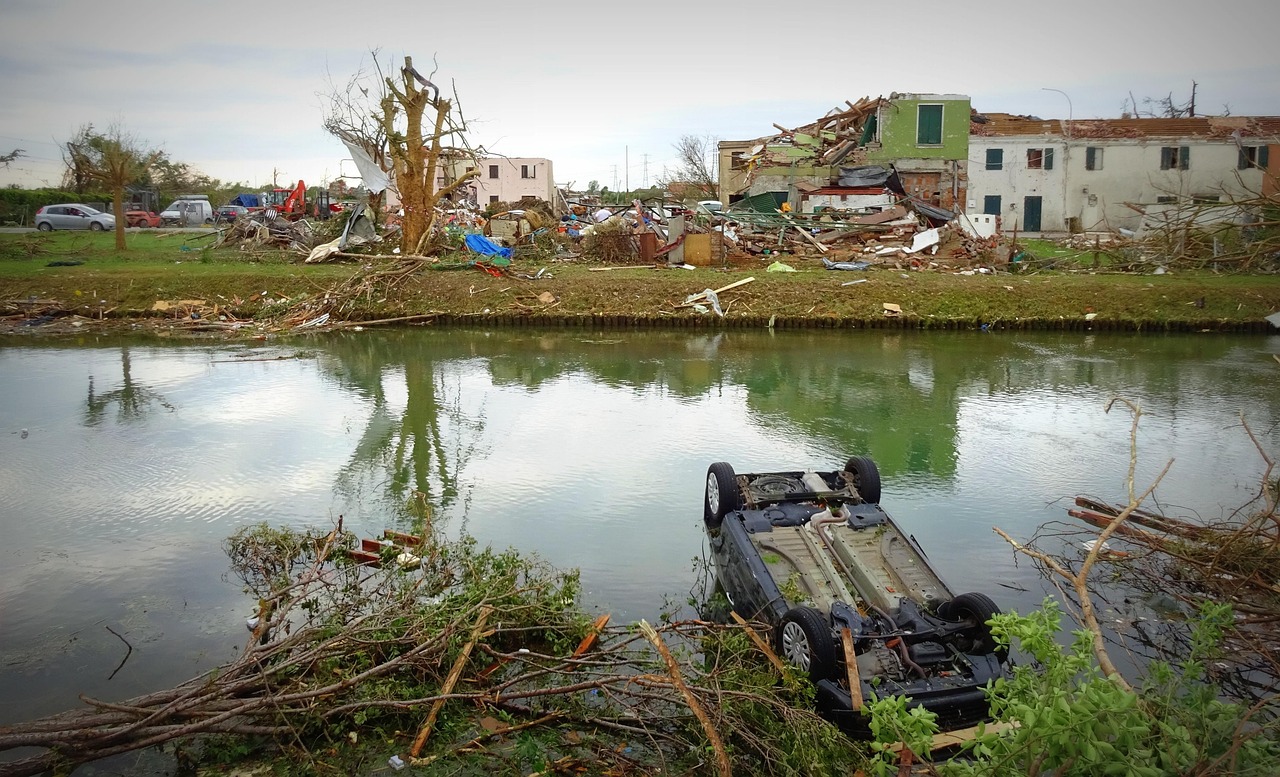
The aftermath of a hurricane can be devastating, leaving communities grappling with destruction and loss. The immediate impact often includes widespread damage to homes, infrastructure, and local economies. Residents may find themselves without power, access to clean water, or essential services. The emotional toll is equally significant, as families face the challenge of rebuilding their lives amidst the chaos. Understanding this context is crucial for both victims and those involved in the recovery process, including insurance companies and government agencies.
In the wake of such disasters, the need for effective communication and support systems becomes apparent. Local governments and organizations often mobilize to provide immediate assistance, but the long-term recovery process can be complex and drawn out. Individuals must navigate a myriad of challenges, from securing temporary housing to accessing financial aid. The role of insurance becomes paramount during this period, as policyholders seek to understand their coverage and the claims process. This understanding is essential not only for personal recovery but also for the overall resilience of affected communities.
The Importance of a Swift Claim Strategy
A swift claim strategy is vital for individuals affected by a hurricane, as it can significantly influence the speed of recovery. When disaster strikes, policyholders are often overwhelmed with the immediate needs of safety and shelter. However, initiating the claims process promptly can help ensure that they receive the financial support necessary to begin rebuilding. Delays in filing claims can lead to complications, including missed deadlines and potential disputes with insurance providers.
Moreover, a well-organized claim strategy can help policyholders gather essential documentation and evidence of damage. This includes photographs, repair estimates, and any relevant correspondence with contractors or local authorities. By being proactive and methodical in their approach, individuals can streamline the claims process and reduce the likelihood of disputes later on. A swift claim strategy not only aids in personal recovery but also contributes to the overall efficiency of the insurance industry in managing large-scale disasters.
Achieving Accuracy in the Claims Process
Accuracy in the claims process is critical for ensuring that policyholders receive fair compensation for their losses. In the aftermath of a hurricane, the volume of claims can overwhelm insurance adjusters, leading to potential errors or oversights. To mitigate this risk, it is essential for policyholders to provide comprehensive and accurate information when filing their claims. This includes detailed descriptions of damages, supporting documentation, and any relevant policy details.
Additionally, insurance companies must implement rigorous training programs for their adjusters to ensure they are equipped to handle the complexities of hurricane-related claims. Accurate assessments not only benefit policyholders but also protect insurers from potential legal disputes arising from underpayment or denial of claims. By prioritizing accuracy in the claims process, both parties can work towards a resolution that reflects the true extent of damages incurred.
Leveraging Resources for Maximum Benefit
In the aftermath of a hurricane, leveraging available resources can significantly enhance the recovery process for affected individuals. Various organizations, including non-profits and government agencies, often provide assistance in navigating the complexities of insurance claims and disaster recovery. Policyholders should familiarize themselves with these resources to maximize their benefits and support.
Local community centers may offer workshops or one-on-one consultations to help residents understand their insurance policies and the claims process. Additionally, online resources such as government websites can provide valuable information on available aid programs and eligibility requirements. By actively seeking out these resources, individuals can better position themselves to receive the assistance they need during a challenging time.
Balancing Speed and Accuracy in Claims Processing
Balancing speed and accuracy in claims processing is a critical challenge faced by both policyholders and insurance companies following a hurricane. While prompt processing is essential for helping individuals recover quickly, it should not come at the expense of thoroughness. Rushed assessments can lead to inaccuracies that may result in inadequate compensation or disputes down the line.
Insurance companies must develop streamlined processes that allow for efficient claims handling while maintaining high standards of accuracy. This may involve investing in training for adjusters, utilizing technology to track claims progress, and implementing quality control measures. For policyholders, understanding the importance of providing complete and accurate information can help facilitate a smoother process. By working collaboratively towards this balance, both parties can achieve satisfactory outcomes in a timely manner.
Strategies for Negotiating Fair Settlements
Negotiating a fair settlement after a hurricane can be stressful and detailed, so it helps to go in with a clear plan. Start by reviewing your policy so you understand what is covered, then document every part of the damage as thoroughly as possible. Photos, videos, written notes, and repair estimates can make your claim stronger and reduce disputes during negotiations. If the process becomes difficult or the offer feels too low, a Hurricane Damage Lawyer in New Orleans can help you present the evidence clearly and push for a settlement that matches the true cost of the loss.
Effective communication is also key in this process. Policyholders should be prepared to articulate their needs clearly while remaining open to dialogue with their insurance adjusters. Building rapport can facilitate a more collaborative negotiation environment, increasing the likelihood of reaching a fair settlement. Additionally, seeking advice from professionals or legal experts familiar with insurance claims can provide valuable insights into effective negotiation tactics.
Utilizing Technology for Efficient Claims Processing
The integration of technology into the claims processing system has transformed how insurance companies handle post-hurricane claims. Digital tools can streamline various aspects of the process, from initial claim submission to damage assessment and communication with policyholders. For instance, mobile applications allow individuals to submit claims directly from their smartphones, making it easier to document damages in real-time.
Moreover, technology can enhance communication between insurers and policyholders by providing updates on claim status and facilitating direct messaging. This transparency helps manage expectations and reduces frustration during what can be an emotionally charged time. As technology continues to evolve, its role in improving efficiency and accuracy in claims processing will likely expand further, benefiting both insurers and those affected by disasters.
Complexities of Post-Hurricane Insurance Claims
Navigating post-hurricane insurance claims involves understanding a range of complexities that can vary significantly based on individual circumstances and policy details. Each insurance policy has its own terms and conditions that dictate coverage limits, exclusions, and procedures for filing claims. Policyholders must familiarize themselves with these specifics to effectively advocate for their rights during the claims process.
Additionally, external factors such as state regulations and local market conditions can influence how claims are handled. For example, some states have specific laws governing insurance practices during disasters that may affect timelines or compensation amounts. Engaging with local advocacy groups or legal experts can provide valuable guidance in understanding these nuances. By being informed and proactive, policyholders can better navigate the complexities of post-hurricane insurance claims and work towards achieving fair outcomes in their recovery efforts.
About the author: Irma C. Dengler

With a BA in communications and paralegal experience, Irma C. Dengler decided to make the best of her writing skills. She decided to turn complicated legal matters into something more palatable for the masses. Therefore, Irma became a law communicator who writes about everyday problems so everyone can understand them and take the appropriate action. She specializes in personal injury cases, as they are more common than anyone thinks, but her areas of expertise also include civil law, criminal law, insurance-related issues, and more.