
Now Reading: Overview of Fire Pattern Analysis
-
01
Overview of Fire Pattern Analysis
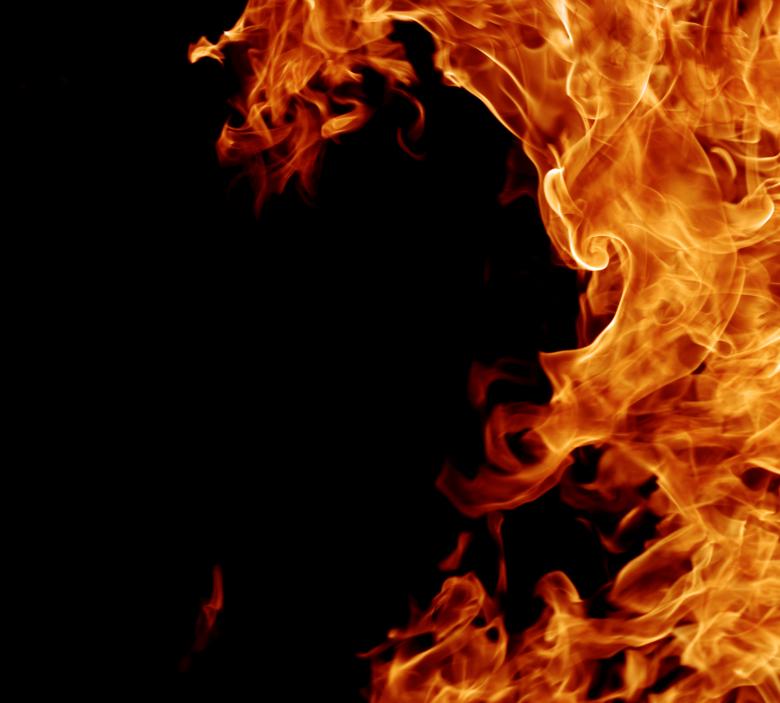

One of the main elements of forensic fire investigation is fire pattern analysis. It is the study of the physical evidence that is left behind by a fire, like burn marks, soot patterns, melting, and charring, with an effort to establish how and where the fire began. This realisation of such patterns will enable investigators to recalculate the behaviour of a fire, its origin, and whether it was caused by an accident or deliberate action. The practice is a combination of physics, chemistry, and engineering and is essential both in the scientific and legal contexts.
In the past, fire investigators did not use the scientific method; instead, they used observations and experience. Early fire science literature focused on such simple cues as V-shaped patterns of burning, which were believed to direct to the origin of the fire. Such signs as alligatoring of wood or crazed glass were once taken as indications of high heat or accelerants. Nevertheless, the current studies have revealed that most of these assumptions were not dependable. Indicatively, glass may craze due to rapid cooling as opposed to high temperature. Consequently, the present fire investigation principles, in particular, NFPA 921, emphasise the application of scientific rationale, testability, and repeatability.
The product of fire effects is fire patterns, which are physical or chemical changes brought about by combustion. These effects are studied by investigators in order to determine the direction, intensity and duration of burning. The most common types are the plume-induced patterns, which occur due to the upward-moving hot gases and flames, the ventilation-induced patterns, which occur due to airflow, thereby changing the direction of the flames, and the suppression-induced patterns, which occur when water or firefighting actions interfere with the burning surfaces. Nevertheless, one should not be so hasty in interpreting these shapes since they may be distorted due to factors like ventilation, fuel type and geometry of the room. The behaviour of fire is affected by complicated thermodynamic processes, and even similar patterns can be developed on the basis of very different causes.
Its sector has been bolstered by contemporary studies and research. Studies on controlled burns have indicated that useful patterns of fire may occur even after flashover, where all the combustible materials catch fire at the same time. This observation confirms the usefulness of pattern analysis in after-flashover conditions as long as adequate documentation is conducted at the beginning of the investigation. Technological advancements such as machine learning and classification using images have introduced more precision more recently. The digital photographs of fire scenes can now be analysed, with computer models, to establish and categorise burn shapes, thus saving human error and bias.
However, the modern society of forensic fire investigation focuses on integration. The analysis of fire patterns should be performed with the assistance of chemical testing of accelerants, electrical examination, eyewitness accounts, and ecological background. Courts are demanding scientifically valid evidence more, and therefore, expert testimony of fire patterns should comply with such standards as Daubert and Frye. To prevent the wrong interpretation or misconclusion, lawyers must be sure that investigators use peer-reviewed studies and purposeful protocols.
To conclude, fire pattern analysis is a vital but developing component of forensic science. It not only educates students to be critically observant but also provides teachers with a connection point between theory and practice, and reminds lawyers of why they require solid scientific evidence. Research, technology, and methodology in the modern world have changed it into a piece of art that has its basis on intuition to a science based on data and reproducibility, so that each pattern will be a true story of how the fire lived and died.