

Now Reading: Forensic Biospecimen Hair: Techniques, Applications, and Problems.
-
01
Forensic Biospecimen Hair: Techniques, Applications, and Problems.
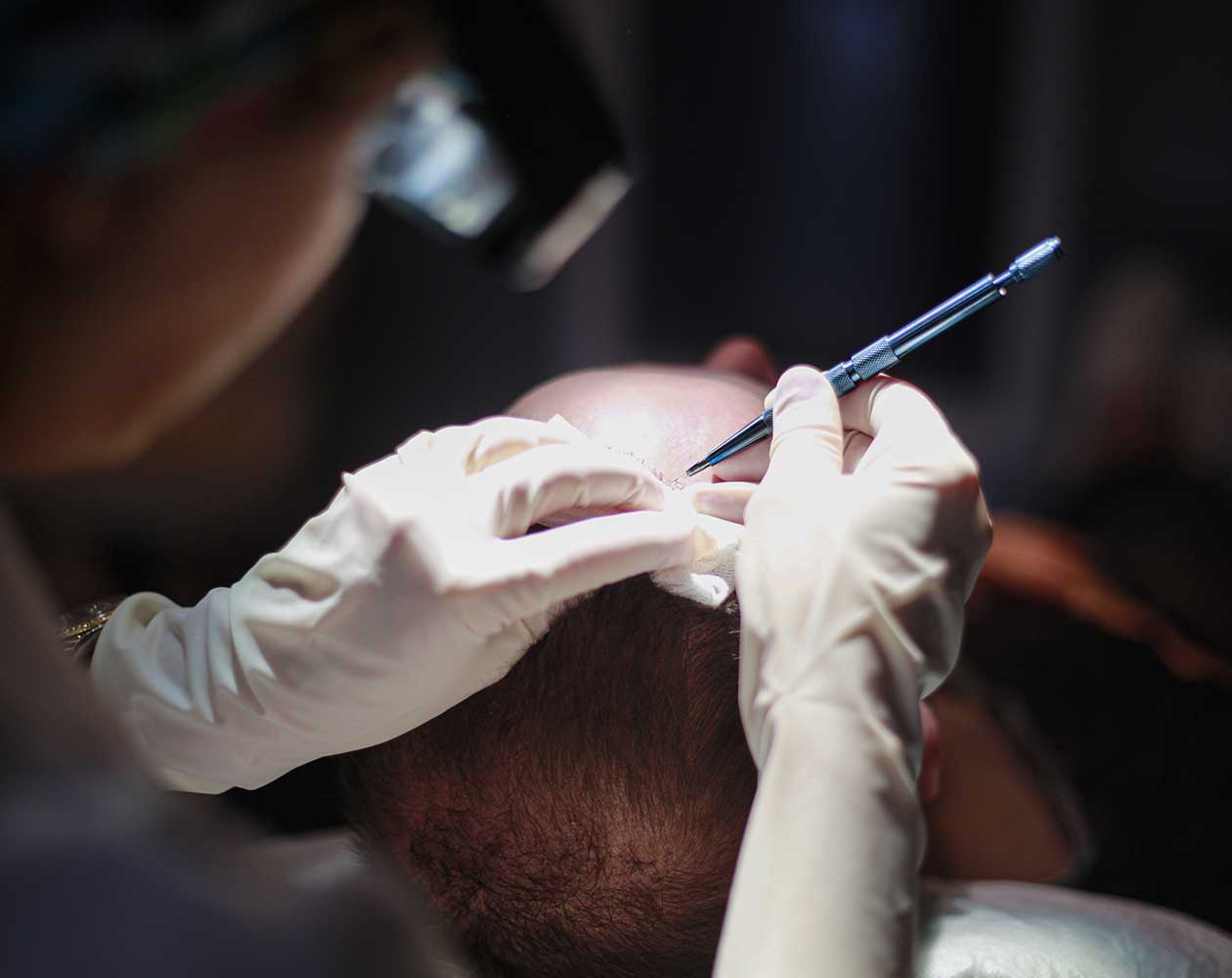

Hair is another type of biological evidence that is found at a crime scene in forensic science. Its physical stability, the capacity to maintain biochemical information across time, and the lack of invasiveness during collection are some of the reasons why it is a useful specimen in studies related to identity, prolonged drug and substance exposure, and reconstruction of crime scenes. Analysis of hair provides an interface between conventional forensic biology and the science of high-technology analytical chemistry and accounts for evidence unavailable in other biological media like blood or urine.
Biological and Forensic significance of hair
Hair is a protein-rich tissue that is mainly formed of keratin and is developed in cycles, taking in both endogenous and exogenous materials. Hair not only records a longitudinal history of biochemical events, unlike blood or urine, but chemical constituents in hair only represent a recent exposure. This feature enables forensic scientists to create return timelines of drug use, toxin exposure and in some instances even environmental interactions that otherwise could not be detected.
Hair is often collected in crime scenes in assault, robbery, and other violent cases in forensic investigations due to the fact that it easily falls off a person during physical contact. The Locard Exchange Principle, or the proposition that all contacts leave a trace, is the reason why hair can be frequently found on victims, suspects, clothing and objects at the crime scene. Hair evidence, when subject to proper analysis, can either confirm or disprove its links to a suspect and a crime scene or a victim with a high level of scientific accuracy.
Hair Analysis Techniques in a Forensic Case.
There are various methods of hair analysis within the forensic science field, and each of them offers a varying kind of evidence.
- Microscopic and Morphological Investigation.
At the scene of a crime, forensic practitioners first perform a microscopic test to identify the type of sample and whether it is of human or animal origin. The structural features that examiners can observe with the help of microscopy include the cuticle, cortex, and medulla – the essential features that differ across species and form the first classification. Besides species differentiation, under microscopic analysis, hair may have been shed naturally or pulled off forcefully, which provides contextual information regarding the nature of the physical contact during an occurrence.
- Hair Toxicological Analysis.
The use of forensic hair analysis has been one of the most established in the field of toxicology, notably in the identification of chronic drug abuse and poisoning. The drugs that get into the body via the bloodstream get into the hair follicles and become part of the hair shafts permanently as they grow. This integration facilitates long-term detection of drugs that greatly surpass that of blood or urine. As an illustration, patterns of single or repeated exposure to drugs with time can be determined using segmental hair analysis, whereby hair strands are separated into segments depending on their lengths. This is usually done by sensitive methods of analysis, like gas chromatography-mass spectrometry (GC-MS) or liquid chromatography-mass spectrometry (LC-MS), to identify and measure these deposited materials.
- Microbiome Profiling and Metagenomics.
Researchers in recent years have investigated hair as a source of human chemical markers and have also investigated hair as a community of microbes. Metagenomics involves the study of bacteria and other microorganisms that exist on the hair surfaces. As microbial communities can differ among individuals and by surroundings, this profiling can be used to provide complementary forensic evidence, which can potentially link a hair sample to certain locations or contact. It is still in its infancy, but this is a promising area of forensic analysis whereby conventional DNA profiles might be too little or not available.
- Pattern and Physical Tool Mark Analysis.
Hair (cut pattern, etc.) may also have physical evidence of forensic value. A study of hair cut with various instruments such as scissors, blades or trimmers reveals that the edge morphology is different with each tool. These morphological variations can be used by forensic examiners to determine the kind of tool used to cut the hair, and this might be used in the reconstruction of a violent crime or the identification of a weapon. Even though this method cannot give identity-related information per se, it enhances other findings in terms of the interpretation of the context.
Forensic Investigation uses.
There are various uses of hair evidence in a forensic environment. Hair is also regularly examined in the field of toxicology to identify drug abuse, poisoning or chronic exposures to toxins. Hair is a good alternative matrix in criminal cases where the traditional biological samples have not been available or have been compromised. To illustrate, hair might be able to retain chemical indicators where other tissues fail in such situations as decomposition or gross environmental degradation.
Further, hair may be used as personal association evidence and therefore used to establish links between the suspects and the crime scenes should they be interpreted with proper scientific care. Realising the shortcomings of hair analysis, including the fact that one cannot unambiguously distinguish a person using microscopic traits only, the contemporary forensic practice focuses on probabilistic reporting and its further validation by additional evidence.
Challenges and Limitations
Although hair is very useful forensic evidence, there are a number of pitfalls limiting its explanatory potential. Environmental pollution substances, personal care products and smoking may cause external contamination that may confound the results unless effectively controlled using standardised decontamination protocols. The variability in hair growth rates, pigmentation, cosmetic interventions and history of exposure leads to the complexity of analysis and could have an impact on quantitative comparisons across cases. In addition, recovery of nuclear DNA in the rootless hair shafts is challenging because of the degradation of DNA, and in such a case, mitochondrial DNA or protein markers tend to be employed.
Moreover, a lack of generally accepted standard procedures of sample collection, preparation and analysis may create variability in the findings of different labs, making it difficult to reproducibly and validly compare the results. The technological standardisation of forensic methods and the validation of the methodologies of addressing these problems are still at the top of the agenda of forensic researchers.
Future Directions
The future of hair analysis in the forensic field is growing due to advances in the area of analytical chemistry, including improved sensitivity of mass spectrometry and the use of integrated omics techniques (genomics, proteomics, metabolomics). With these technologies, it is possible to detect substances more carefully and identify exposure schedules as well as explain multifaceted biochemical patterns. Also, microbial profiling coupled with the conventional chemical testing could offer deeper datasets to base forensic deductions on. The future of hair-based forensic evidence will be determined by further attempts to standardise methods and interdisciplinary studies.