
Now Reading: The U.S. Cold Case Murders of Marebeth Welsh and Jennifer Persia That Were Solved Using DNA Breakthrough.
-
01
The U.S. Cold Case Murders of Marebeth Welsh and Jennifer Persia That Were Solved Using DNA Breakthrough.
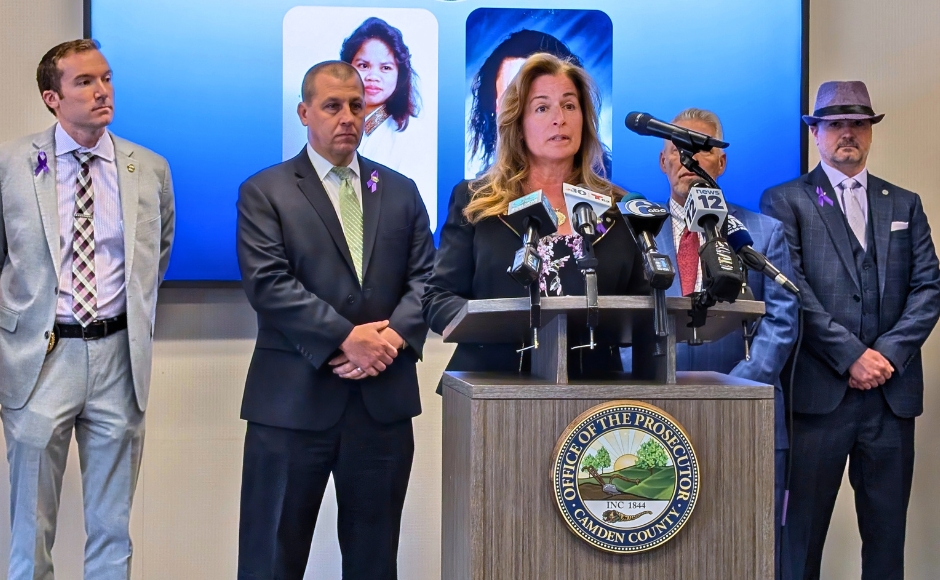
The U.S. Cold Case Murders of Marebeth Welsh and Jennifer Persia That Were Solved Using DNA Breakthrough.

In a significant breakthrough, in which modern forensic science was shown to be more powerful than ever, cold cases of murder have been solved in the United States through the use of sophisticated DNA testing and forensic genealogy. The development, which was reported on April 13-14, 2026, illustrates that the preserved biological evidence in a case can result in justice even decades after the case occurred.
Among the most notable ones is the discovery of a suspect who was involved in the two vicious killings that were committed in the 1990s in the state of New Jersey. The two victims, 24-year-old Marebeth Welsh and 16-year-old Jennifer Persia, were murdered in 1993 and 1994, respectively. The cases took years to be solved, even though there was a massive investigation during the time, since they did not have any similar DNA profiles in the criminal databases.
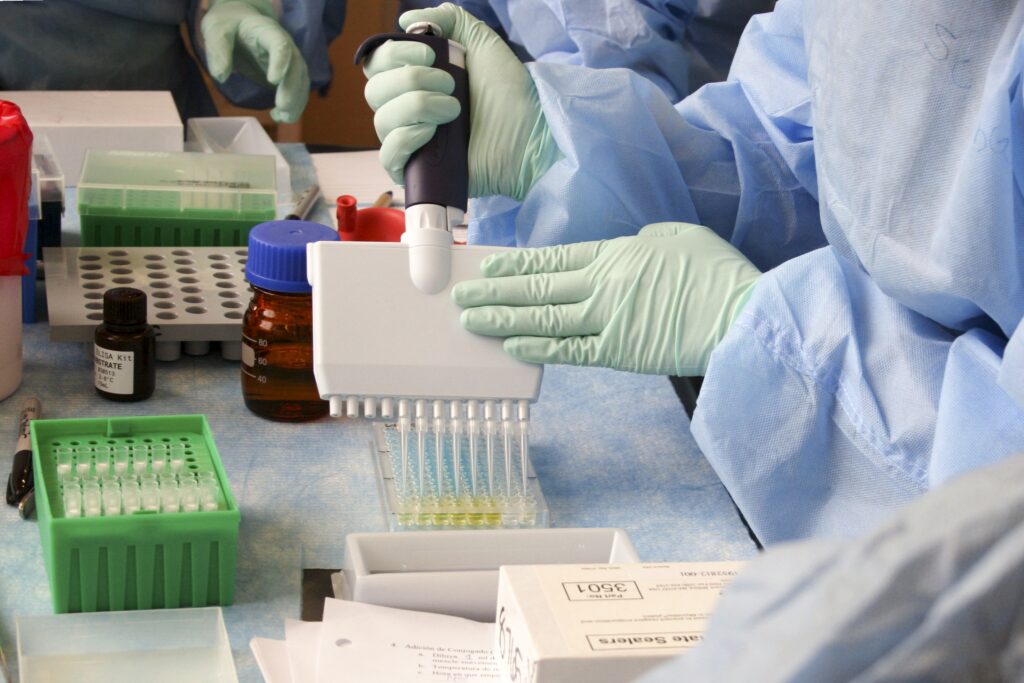
The breakthrough was made when the preserved forensic evidence was revisited with modern DNA technology by investigators. Biological evidence that was used in the initial crime scenes, such as blood and other traces, was re-examined with the help of high-tech methods. The findings indicated a forensic connection between the two murders as the DNA of the two cases had the same unknown man.
Additional research by forensic genealogy helped authorities to implicate a man named Francis T. Schooley, who had died in 2000. Investigators matched DNA profiles of his relatives, and with high confidence, it was established that he was the source of the genetic material found at both crime scenes. Circumstantial evidence added to the DNA evidence. Schooley reportedly had known ties to one of the families of the victim and was reported to have been seen with some of the victims before the crime. The police said that had he survived today, he would have been charged with both murders.
This case highlights the increasingly popular trend in forensic science in which cold cases are being reopened and solved with the help of superior DNA technologies. It emphasises the significance of maintaining biological evidence adequately and the growing significance of forensic genealogy in criminal cases. Science has offered answers to the families of the victims even decades later, and strengthens the belief that even after many years, justice can be served.