
Now Reading: Your Legal Options After an Accident Injury Claim
-
01
Your Legal Options After an Accident Injury Claim


Suffering injuries in an accident can instantly change your life. Beyond the physical pain and emotional stress, accident victims often face medical bills, lost income, insurance disputes, and uncertainty about their legal rights. Understanding your legal options after an accident injury claim is essential to protecting your financial future and ensuring you receive fair compensation.
This comprehensive guide explains the legal pathways available after an accident, the types of claims you can pursue, how liability is determined, and when professional legal help becomes critical. Whether your injuries resulted from a car crash, slip and fall, workplace incident, or another preventable accident, knowing your options empowers you to make informed decisions during a challenging time.
Understanding Accident Injury Claims
An accident injury claim is a legal process through which an injured person seeks compensation from the party responsible for causing harm. These claims fall under the broader area of personal injury law, which focuses on injuries caused by negligence, recklessness, or intentional wrongdoing.
What Qualifies as an Accident Injury?
An accident injury typically occurs when:
- One party owed a duty of care to another
- That duty was breached
- The breach directly caused injuries
- The injured person suffered measurable damages
Examples include vehicle collisions, pedestrian accidents, defective products, unsafe premises, medical errors, and workplace injuries. For a foundational explanation of how personal injury law works, you can review this legal overview from Cornell Law School: personal injury.
Immediate Legal Steps After an Accident
Your actions immediately following an accident can significantly impact the success of any future injury claim.
Seeking Medical Attention
Medical care should always be your first priority. Prompt treatment not only protects your health but also creates documentation linking your injuries to the accident. Delayed treatment can be used by insurance companies to argue that your injuries are unrelated or less severe.
Documenting the Incident
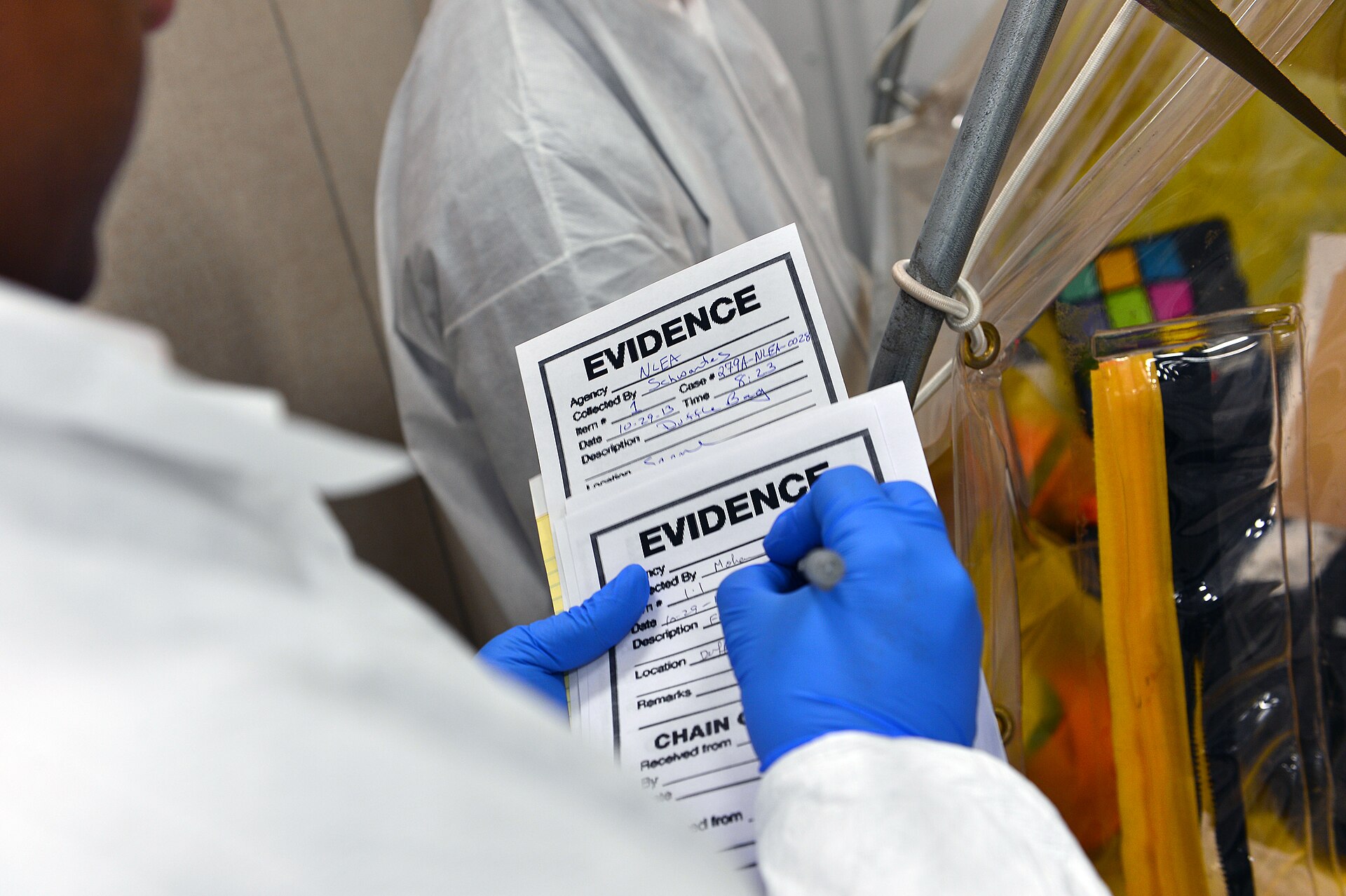
Strong evidence supports strong claims. Helpful documentation includes:
- Photos or videos of the accident scene
- Contact information of witnesses
- Police or incident reports
- Medical records and bills
- Employment records showing missed work
Reporting the Accident
Depending on the circumstances, you may need to report the incident to law enforcement, an employer, or a property owner. Failure to report an accident promptly can complicate the claims process.
Filing an Insurance Claim vs. a Lawsuit
After an accident, injured individuals usually start by filing an insurance claim. However, insurance is not always the final step.
Insurance Claims
Insurance claims are often resolved through negotiations with an insurance adjuster. While this process can be faster, insurers are motivated to minimize payouts. Initial settlement offers frequently fail to account for long-term medical costs, pain and suffering, or future lost earning capacity.
Personal Injury Lawsuits
If an insurance claim does not result in fair compensation, filing a personal injury lawsuit may be necessary. A lawsuit allows:
- Formal discovery of evidence
- Depositions of witnesses and experts
- Judicial oversight
- A jury trial if a settlement fails
Lawsuits often lead to higher compensation but can take longer to resolve.
Types of Compensation Available
Understanding the damages you may recover helps you evaluate settlement offers and legal strategies.
Economic Damages
These are measurable financial losses, including:
- Medical expenses (past and future)
- Rehabilitation and therapy costs
- Lost wages and reduced earning capacity
- Property damage
Non-Economic Damages
These compensate for intangible losses, such as:
- Pain and suffering
- Emotional distress
- Loss of enjoyment of life
- Permanent disability or disfigurement
Punitive Damages
In cases involving gross negligence or intentional misconduct, courts may award punitive damages to punish the wrongdoer and deter similar behavior.
Determining Liability and Fault
Establishing who is legally responsible for an accident is one of the most critical aspects of an injury claim.
Negligence and Duty of Care
Most accident injury cases rely on proving negligence. This requires showing that the responsible party failed to act as a reasonably careful person would under similar circumstances.
Comparative Fault Rules
Some states apply comparative fault rules, meaning compensation may be reduced if the injured party is partially responsible. For example, if you are found 20% at fault, your recovery may be reduced by that percentage.
Vicarious and Third-Party Liability
In certain situations, additional parties may be held liable, such as:
- Employers for employee actions
- Manufacturers of defective products
- Property owners for unsafe conditions
Identifying all responsible parties can significantly increase available compensation.
When Legal Representation Becomes Essential
While minor accidents may be resolved independently, many injury claims benefit from professional legal guidance.
Working with a qualified personal injury lawyer for accident compensation can provide strategic advantages, including accurate claim valuation, evidence gathering, negotiation with insurers, and courtroom representation if necessary.
How Attorneys Strengthen Injury Claims
Legal professionals help by:
- Investigating accidents thoroughly
- Consulting medical and financial experts
- Handling communications with insurers
- Filing court documents correctly and on time
- Presenting compelling arguments for full compensation
Law firms with experience in injury litigation often understand insurance tactics and how to counter them effectively.
Settlement Negotiations and Mediation
Most accident injury claims are resolved through settlement rather than trial.
Negotiation Process
Negotiations may involve multiple rounds of offers and counteroffers. Attorneys often use evidence, expert reports, and legal precedents to justify compensation demands.
Mediation and Alternative Dispute Resolution
Mediation allows both sides to work with a neutral third party to reach an agreement. This process is typically faster and less adversarial than litigation, while still offering structured negotiation.
Going to Trial: What to Expect
If settlement efforts fail, your case may proceed to trial.
Trial Stages
A personal injury trial generally includes:
- Jury selection
- Opening statements
- Presentation of evidence and witnesses
- Closing arguments
- Jury deliberation and verdict
Trials can result in higher awards but involve greater risk, time, and expense.
Appeals and Post-Trial Options
After a verdict, either side may pursue appeals or post-trial motions, which can extend the legal process.
Time Limits and Statutes of Limitation
Every accident injury claim is subject to strict filing deadlines known as statutes of limitation. Missing these deadlines can permanently bar your right to compensation.
Why Timing Matters
Evidence becomes harder to obtain over time, memories fade, and witnesses become unavailable. Acting promptly strengthens your case and preserves your legal rights.
Choosing the Right Legal Resources
Selecting knowledgeable legal resources is critical to navigating accident injury claims successfully. Reviewing reputable law firms and legal directories can help injured individuals understand their options and find experienced representation. For example, you can explore detailed law firm profiles and client-focused resources through platforms such as this South Carolina injury law firm listing, which highlights practice areas and services available to accident victims.
Protecting Your Rights After an Accident
Accident injury claims are rarely straightforward. Insurance companies, complex laws, and procedural requirements can overwhelm injured individuals already dealing with physical and emotional recovery. Understanding your legal options, from insurance claims and settlement negotiations to litigation and trial, allows you to approach the process with confidence and clarity.
By documenting your injuries, understanding liability, knowing the types of compensation available, and seeking reliable legal resources when necessary, you place yourself in the strongest possible position to pursue fair compensation. Every accident is different, but informed decisions can make a lasting difference in your recovery and financial stability.
About the author: Leland D. Bengtson

As a journalist, Leland D. Bengtson dedicated most of his career to law reporting. His greatest satisfaction is to convey legal matters to the public in a language that they can understand. He is active on various platforms and media outlets, writing about common legal issues that people confront every day. While medical malpractice is his strong suit, Leland covers plenty of other topics, including personal injury cases, family law, and other civil and even criminal legal matters.