

Now Reading: Winter Hazards Lurking in Workplace Parking Lots
-
01
Winter Hazards Lurking in Workplace Parking Lots
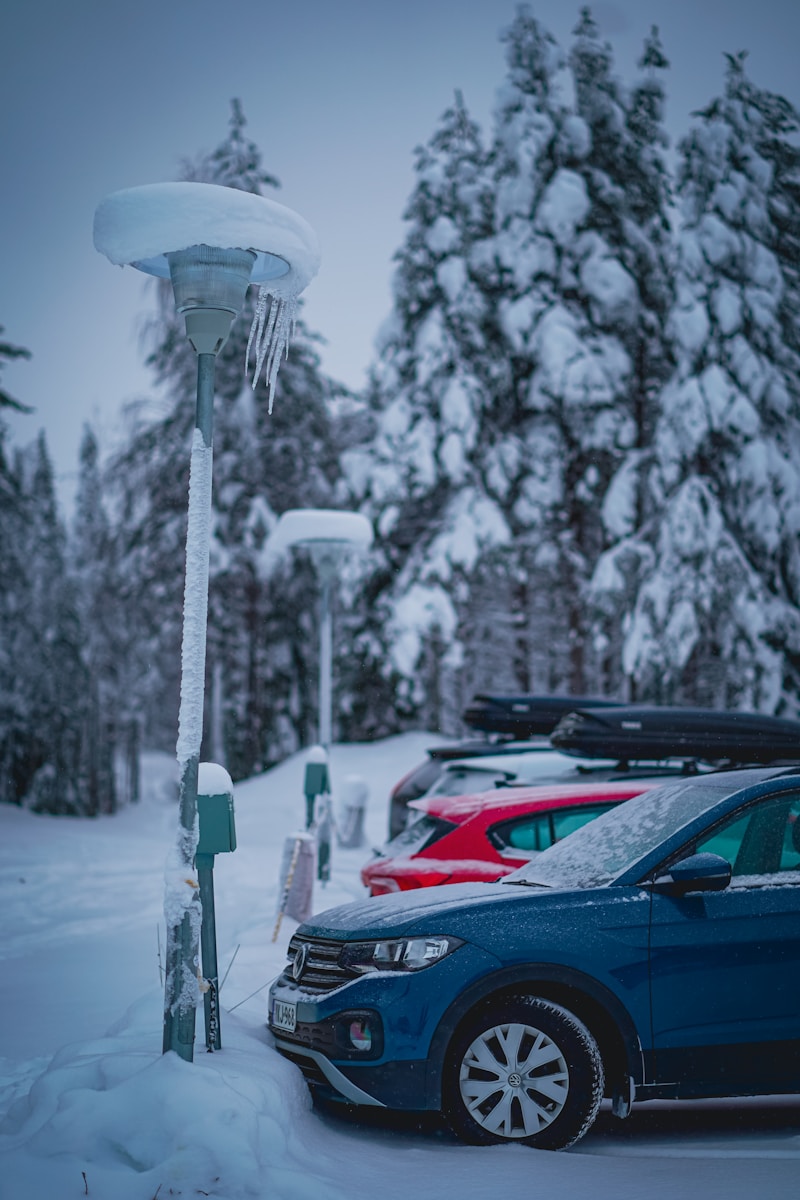

Ice injuries in workplace parking lots are among the most common winter accidents across Canada. Employees, visitors, delivery drivers, and contractors often encounter slippery surfaces before they even reach the building, turning routine arrivals into serious injury events. These incidents raise important questions about responsibility, maintenance, and prevention. A Hamilton premises liability lawyer can help injured individuals understand whether a property owner, employer, or maintenance contractor failed to meet their legal duty to keep parking areas reasonably safe.
Why Parking Lots Create Unique Risks
Workplace parking lots are high traffic areas exposed to constantly changing weather conditions. Snow accumulation, freezing rain, melting during the day, and refreezing overnight all contribute to unpredictable ice formation. Unlike sidewalks directly outside entrances, parking lots can be overlooked in winter maintenance schedules, leaving large areas untreated.
Ice can form in shaded corners, near drainage paths, or where snow piles melt. Oil residue from vehicles can also prevent salt from working effectively, increasing slip risk. Because people often carry bags, walk quickly, or step between vehicles, even small icy patches can lead to falls that cause fractures, head injuries, or soft tissue damage.
Who May Be Responsible
Responsibility for parking lot safety depends on property ownership and maintenance arrangements. In some workplaces, the employer owns the property and manages snow removal directly. In others, landlords or property management companies oversee maintenance. Many properties hire third party contractors for snow and ice control.
Canadian occupiers’ liability laws generally require those in control of a property to take reasonable steps to address hazards. This does not mean every icy patch creates liability, but it does mean owners must have inspection routines, timely snow removal, and proper salting practices. Failures such as delayed treatment, inadequate monitoring, or poor contractor oversight can lead to claims.
Evidence That Strengthens a Claim
Proving negligence in parking lot ice cases often depends on timing and documentation. Photographs of the area, weather reports, footwear condition, and witness statements can all help establish what conditions were like at the time of the fall. Surveillance footage is especially valuable because it may show how long the hazard existed.
Maintenance records also play a major role. Logs showing when snow removal occurred, whether salting was performed, and how frequently the lot was inspected can either support or undermine a property owner’s defence. When records are incomplete or inconsistent, injured individuals may have stronger arguments that reasonable care was not taken.
Prevention Strategies for Property Owners
Parking lot safety requires proactive planning rather than reactive treatment. Effective strategies include routine inspections during freeze thaw cycles, pre-salting before storms, prioritizing high traffic walkways within lots, and addressing drainage issues that create recurring ice. Clear communication with contractors and proper record keeping also reduce risk.
Lighting improvements, designated walking paths, and visible signage can further minimize accidents. While warning signs alone rarely eliminate liability, they demonstrate awareness and can help guide safer movement across the property.
Conclusion
Ice injuries in workplace parking lots highlight how small maintenance gaps can lead to significant harm. Determining responsibility requires examining who controlled the property, what steps were taken to manage winter hazards, and whether those steps were reasonable under the circumstances. Prompt documentation, medical care, and legal guidance can make a meaningful difference after a fall.