

Now Reading: What Nursing Homes Don’t Want You to Know: Secrets to Spotting Hidden Neglect
-
01
What Nursing Homes Don’t Want You to Know: Secrets to Spotting Hidden Neglect
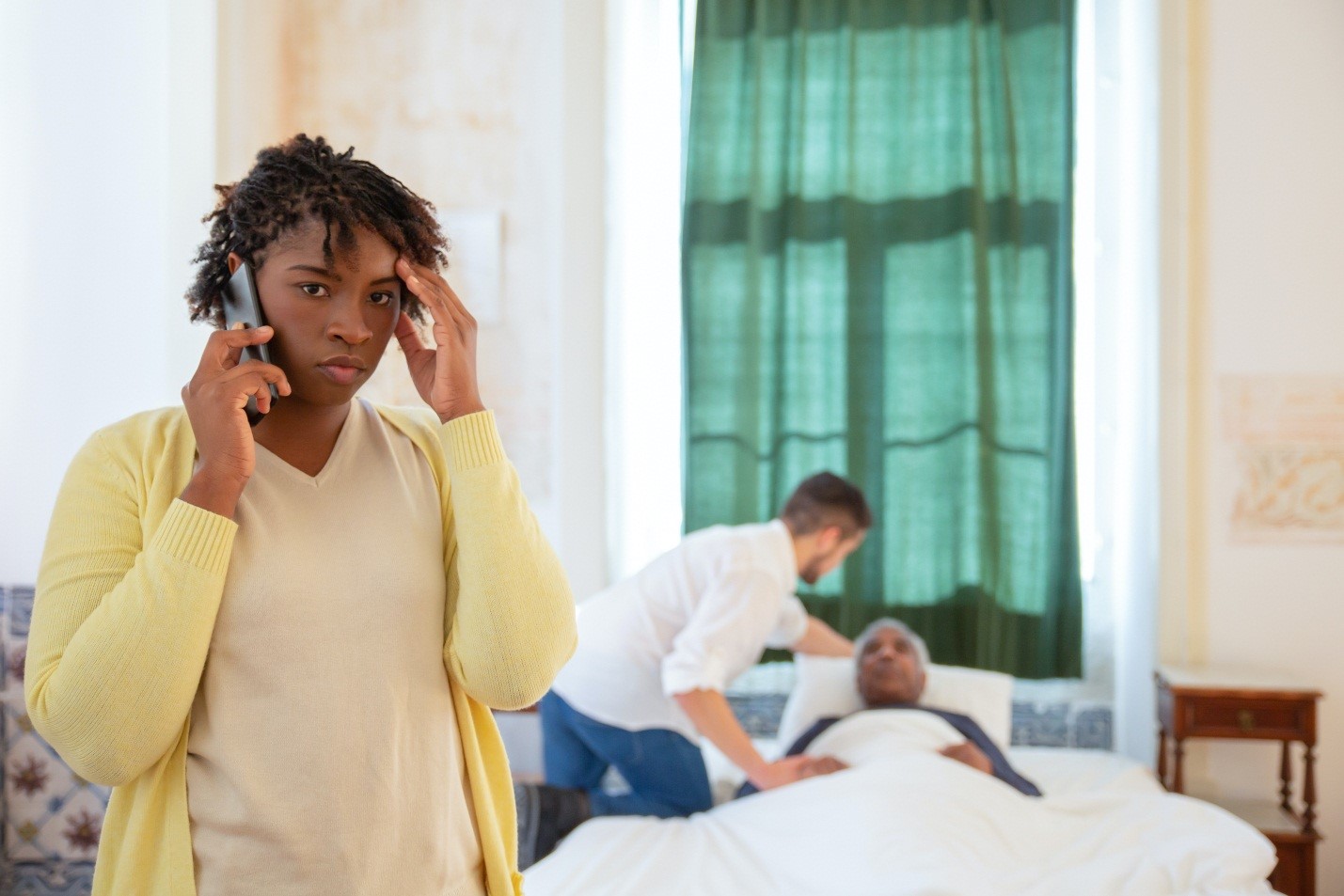
What Nursing Homes Don’t Want You to Know: Secrets to Spotting Hidden Neglect

When you entrust a loved one to a nursing home, you expect compassionate, attentive care that preserves their dignity and health. Unfortunately, the reality in some facilities falls far short. Nursing home neglect is a silent epidemic that often hides behind closed doors, understaffed shifts, and subtle excuses. Many cases go unnoticed until serious harm occurs that could have been prevented with vigilance.
As experienced advocates for victims of elder mistreatment in Georgia, we at Holbert Law have seen how neglect manifests in ways that nursing homes may downplay or conceal. This guide reveals the secrets facilities often don’t want families to know: the hidden signs of neglect, why they occur, and how to act decisively. Knowledge is your strongest defense.
Understanding Nursing Home Neglect: More Than Just Oversight
Nursing home neglect occurs when staff or the facility fails to provide the basic care required by law, leading to preventable harm. Under Georgia regulations and federal standards like the Nursing Home Reform Act, facilities must ensure residents receive adequate medical attention, hygiene, nutrition, and supervision. When these duties are breached due to chronic understaffing, inadequate training, or profit-driven shortcuts, residents suffer.
Neglect differs from outright abuse but can be just as devastating. It includes failing to prevent bedsores, ignoring mobility needs leading to falls, or withholding food and water. In Georgia, the Department of Community Health oversees compliance, yet complaints and substantiated cases persist statewide, including in metro Atlanta areas like Decatur and DeKalb County.
The Hidden Signs Nursing Homes Hope You Miss
Many signs of neglect are subtle at first, easily dismissed as “normal aging” or “temporary issues”. Here are the key red flags to watch for during visits:
- Unexplained physical changes and injuries: Look for bruises, cuts, fractures, or burns without a clear explanation. Frequent falls or “accidents” often signal inadequate supervision. Hidden neglect includes untreated pressure ulcers (bedsores), which develop from immobility and poor repositioning, which are preventable with proper care.
- Poor personal hygiene and unsanitary conditions: Residents left in soiled clothing, unbathed, with unwashed hair, overgrown nails, or strong odors of urine or feces indicate basic needs are ignored. Dirty bedding, pest issues, or cluttered rooms compound risks of infections.
- Malnutrition, dehydration, and rapid weight loss: Sudden weight loss, dry/cracked lips, constant thirst, or complaints of hunger point to inadequate feeding assistance or monitoring. Dehydration can lead to confusion, urinary tract infections, or worse.
- Emotional and behavioral shifts: Withdrawal, depression, anxiety, fear of staff, or sudden agitation are common. Residents may become isolated or stop participating in activities they once enjoyed. Emotional neglect erodes dignity and mental health.
- Medical oversights and untreated conditions: Untreated infections (sepsis from bedsores or UTIs), medication errors, ignored pain, or delayed doctor visits reveal medical neglect. Over- or under-medication can cause severe complications.
- Environmental and staffing red flags: Ignored call lights, rushed staff, low staffing levels, or evasive answers from employees suggest systemic issues. Facilities may hide underreporting of incidents to avoid scrutiny.
- Subtle “secrets” facilities conceal: Some nursing homes under-report falls or injuries to regulators, prioritize profits over care, or fail to train staff adequately. Even “reputable” facilities can have hidden problems; don’t assume appearances mean safety.
These signs often overlap. If multiple appear, act immediately, and don’t wait for proof.
Why Neglect Happens and Why It’s Underreported
Root causes include understaffing (a nationwide issue affecting Georgia facilities), high turnover, inadequate training, and cost-cutting. Residents may fear retaliation or be unable to communicate. Families visit infrequently, missing patterns. In Georgia, while the Department of Community Health investigates complaints, many cases remain unreported until harm escalates.
What to Do If You Spot These Signs
- Document everything: Photos, notes on dates/observations, medical records, and witness statements.
- Report promptly: Contact Georgia’s Department of Community Health Healthcare Facility Regulation at 1-800-878-6442 or Adult Protective Services. Reports can be anonymous.
- Seek professional help: Consult an experienced professional who understands Georgia’s laws, including the Long-Term Care Facility Resident Abuse Reporting Act and residents’ Bill of Rights.
Time is critical, as the statute of limitations for negligence claims in Georgia is typically two years from discovery.
Prevention Tips for Protecting Your Loved One
- Visit unannounced and at varying times
- Ask direct questions about care routines
- Review incident reports and state inspection records
- Stay engaged; talk to staff, residents, and your loved one regularly.
If neglect has already caused harm, you may be entitled to compensation for medical costs, pain and suffering, emotional distress, or wrongful death damages.
Families across metro Atlanta (including Decatur and DeKalb County) deserve peace of mind knowing their loved ones are safe. Our team at Holbert Law specializes in holding negligent facilities accountable, drawing on decades of experience to investigate thoroughly and fight for justice.
If you suspect nursing home neglect or abuse, don’t hesitate. Contact an Atlanta nursing home abuse lawyer today for a free, confidential consultation. We’re here to listen, investigate, and help restore dignity to those who need it most.