
Now Reading: The Swiss Nightclub Fire Is One Of The Events That Have Sparked Controversy Over Forensic Autopsy Practices Across The World
-
01
The Swiss Nightclub Fire Is One Of The Events That Have Sparked Controversy Over Forensic Autopsy Practices Across The World
The Swiss Nightclub Fire Is One Of The Events That Have Sparked Controversy Over Forensic Autopsy Practices Across The World

The Crans-Montana, Switzerland – February 2026.
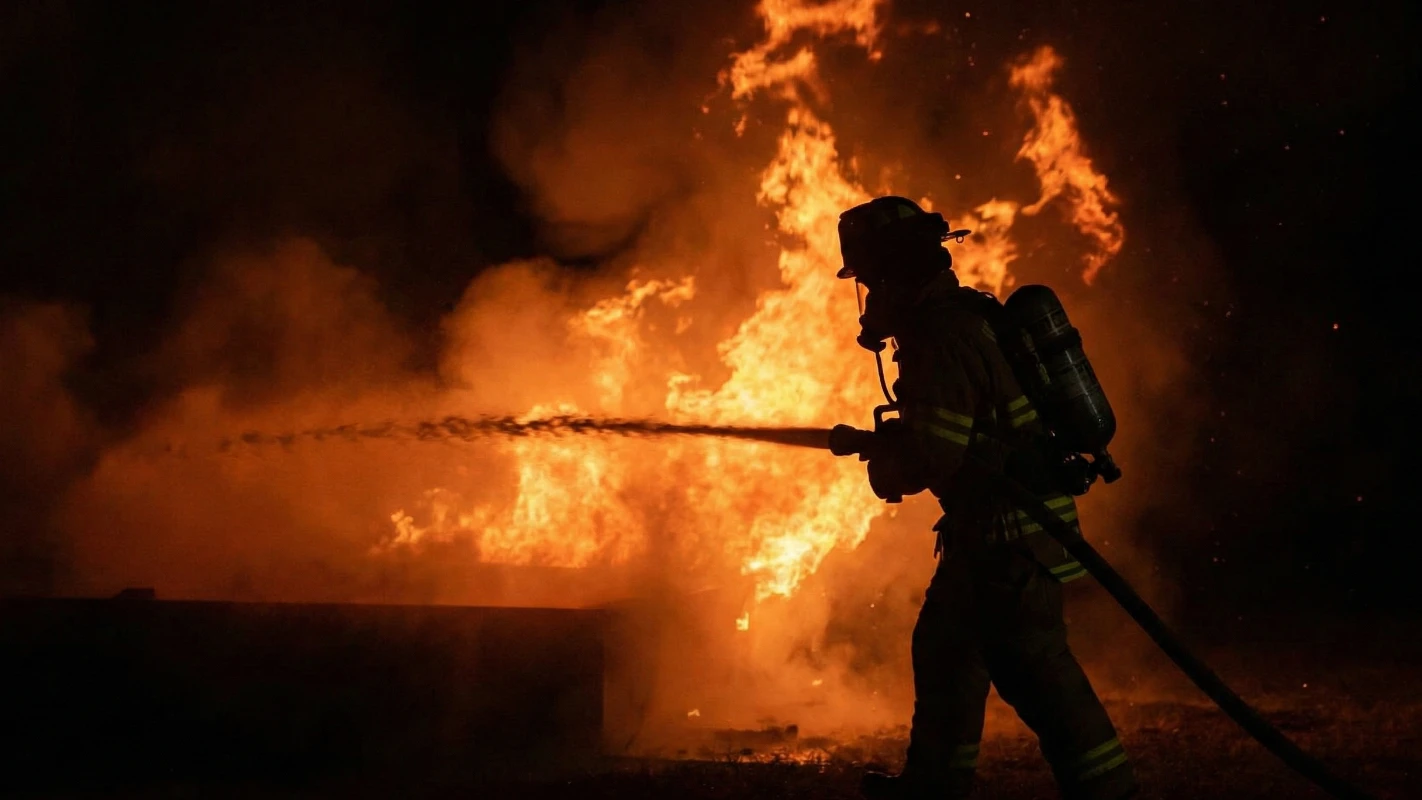
The consequences of one of the deadliest nightclub tragedies in Swiss history have become a matter of global controversy concerning the issue of forensic transparency and victim rights, as well as the autopsy practice. After the catastrophic fire at the Le Constellation nightclub on New Year’s Eve that took the lives of 41 people, bereaved families are now openly questioning how Swiss officials went about the forensic examination of the deaths of the victims.
It started during the New Year celebrations, and many people were trapped inside the venue, which was crowded. The emergency services responded in a quick manner, but the smoke and flames were lethal to a number of people. When the authorities shifted the focus to the recovery and investigation phase, families were hoping to be subjected to detailed forensic investigations to establish this: to find out how the victims died from smoke inhalation, burns, or some other factors.
But it did not take long before relatives obtained information that not all of the victims had been requested to have full forensic autopsies. Prosecutors made the decision to examine cases on a case-by-case basis, which involved minimal examinations instead of systematic post-mortems, and this was based on the parents and family members. This ruling caused frustration and outrage on the part of the families who believed that essential forensic actions had been neglected. Some of the parents shared stories of getting information late or vague on decisions to do an autopsy, sometimes after the arrangements had already been made to do the funeral. There are instances when burials were withheld because families requested more forensic tests. Most of the cases of non-uniformity in the autopsy processes made many families believe that the death of their loved ones was not well investigated
The problem became widely recognised in the international community since the victims were also foreigners, especially Italians. As the fears increased, Italian prosecutors performed an independent autopsy of some of their citizens once the bodies were repatriated. This was an odd move, but it brought about a failure in trust and accentuated the trans-border forensic consequences of the tragedy.
The Swiss prosecutors justified themselves by saying that the autopsy is requested when it is necessary in law, and the investigators are free in the decision of the forensic action. They underlined that the criminal investigation into the cause of the fire is not completed yet.
The case has had a resurgence of debates over best practices when conducting investigations into mass fatalities amongst forensic experts around the world. The international standards, such as the disaster victim identification procedures, emphasise that autopsies are not only necessary due to legal responsibility but also due to the assurance of clarity and closure to the families. There are also families who have now expressed that they might request exhumation in case authorities do not consent to further examinations, which would further complicate the legal case and cause even more emotional pain. Outside Switzerland, the tragedy stands out as a bitter lesson in the fact that forensic science is not just about evidence and the law, but also the trust of the people, dignity to the dead, and satisfaction to the living.