

Now Reading: The Dangers of Improper Cargo Loading on Texas Highways
-
01
The Dangers of Improper Cargo Loading on Texas Highways
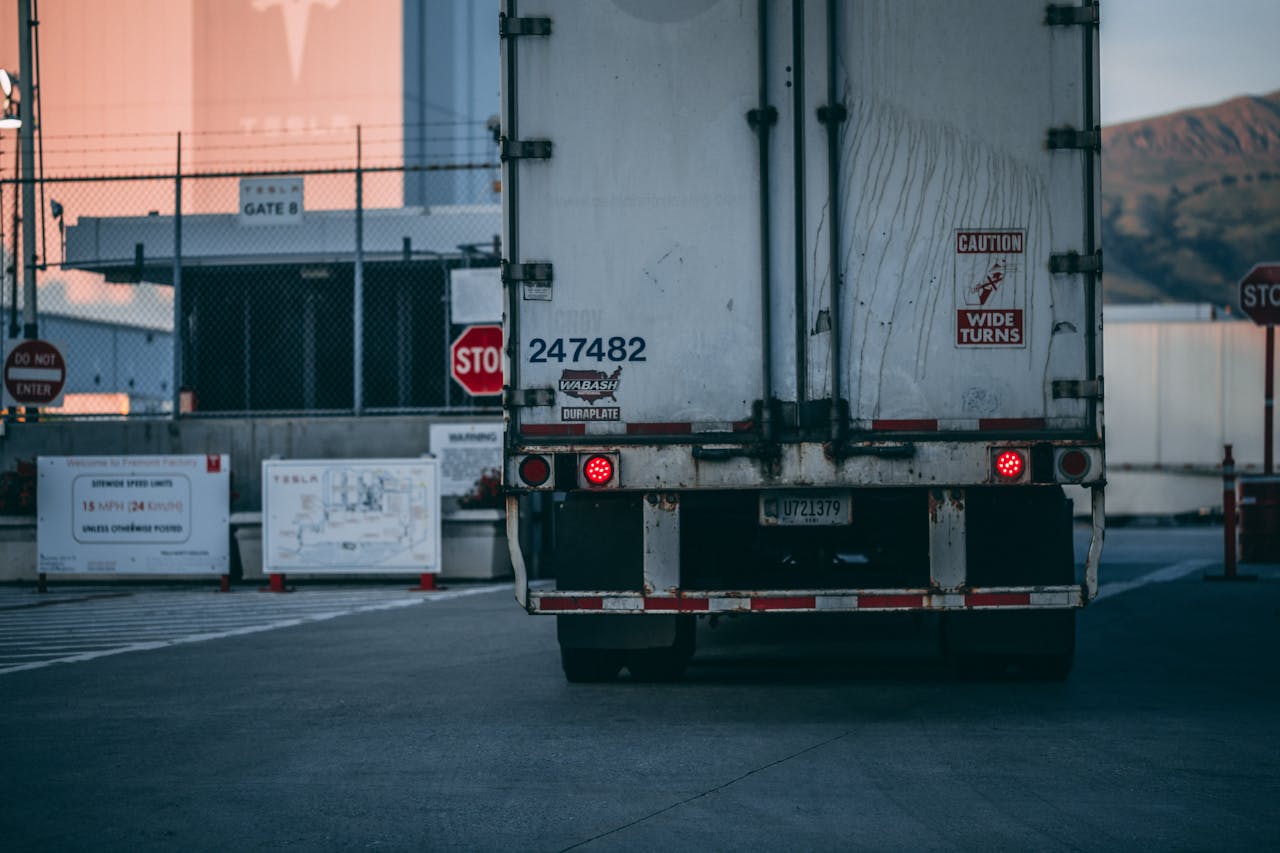

Most drivers on I-35 pay attention to the big rigs around them – watching their bling spots, giving them space. But the real dangers often sit inside that trailer. Improperly loaded or secured cargo causes serious accidents long before anyone notices a problem. In many cases, the damage was done at the loading dock, before the truck ever left the warehouse.
How Cargo Influences Vehicle Control
Two major factors play an important role in how a truck’s cargo affects the way that it is controlled.
The Center of Gravity
When cargo gets stacked too high or loaded unevenly, the trailer’s center of gravity shifts upward and to one side. Take that truck through a sharp turn on one of Austin’s elevated flyovers, and you’ve got a recipe for a rollover. The driver might be doing everything right but the cargo placement makes the crash inevitable.
Liquid Surges
Liquid cargo doesn’t stay put the way pallets or boxes do. Inside a partially filled tank, that liquid
Creates waves as the truck moves. Engineers call this “slosh”, and it is dangerous. When a tanker driver brakes at a red light, thousands of pounds of liquid surge forward, pushing against the tank wall. This momentum can shove the entire truck through an intersection, regardless of what the driver does with the brakes.
Regulatory Compliance and the “Pre-Trip” Failure
The FMCSA sets clear rules for cargo securement: how many tie-downs you need, what strength rating they require, and maximum weight limits. Standard procedures that should prevent most loading accidents. But responsibility does not solely rest with the driver:
- Loading facilities rush shipment to meet deadlines
- Warehouse supervisors skip proper securement checks
- Shipping companies overload trailers to save on trips
- Brokers miscommunicate weight specifications
When a serious truck accident attorney in Austin investigates these crashes, they scrutinize the Bill of Landing alongside loading dock surveillance footage and shift logs. Discrepancies between documented cargo weight and actual scale readings often reveal systematic negligence at the loading stage.
Gathering Forensic Evidence from the Wreckage
After a cargo-related crash, investigators examine the physical evidence; broken straps, snapped chains, and damaged pallets.. These physical remnants tell the story of securement failure. Investigators compare the cargo manifest against the actual weight recorded when authorities scale the wreckage. These gaps become the foundation of negligence claims. Other critical evidence sources include:
- Pre-trip inspection records (or the suspicious absence thereof)
- Loading dock security camera footage showing shortcuts
- Driver electronic logging data revealing unexpected vehicle handling
- Scale house weight tickets from before and after loading
Holding Every Party Accountable
Safety in commercial trucking begins before ignition. The most cautious driver cannot compensate for cargo that was improperly loaded by others. When accidents occur, liability extends throughout the shipping chain – from warehouse to highway.
Victims of cargo-related crashes need legal representation that understands both the mechanical realities of freight dynamics and the complex web of federal regulations governing the industry. Only attorneys fluent in these technical nuances can trace negligence back to its true source and secure the compensation victims deserve.