
Now Reading: State Nods Wardha Forensic Science Lab & Training Centre: A Boost to Justice Delivery
-
01
State Nods Wardha Forensic Science Lab & Training Centre: A Boost to Justice Delivery
State Nods Wardha Forensic Science Lab & Training Centre: A Boost to Justice Delivery

The Wardha district has received significant approval from the Maharashtra state cabinet with the green light for a mini forensic science laboratory, a dedicated residential training centre, and a mobile forensics excellence hub. This initiative aims to dramatically improve the conviction rate in prohibition-related offences by cutting down delays in scientific analysis that have historically hindered prosecutions.
Wardha—dry under prohibition since 1975—has struggled with a conviction rate of just about 1.31% in liquor and prohibition cases over the last decade. One of the major bottlenecks has been the long turnaround time for chemical analysis of seized samples, which were sent to the overburdened regional forensic lab in Nagpur, handling several districts at once.
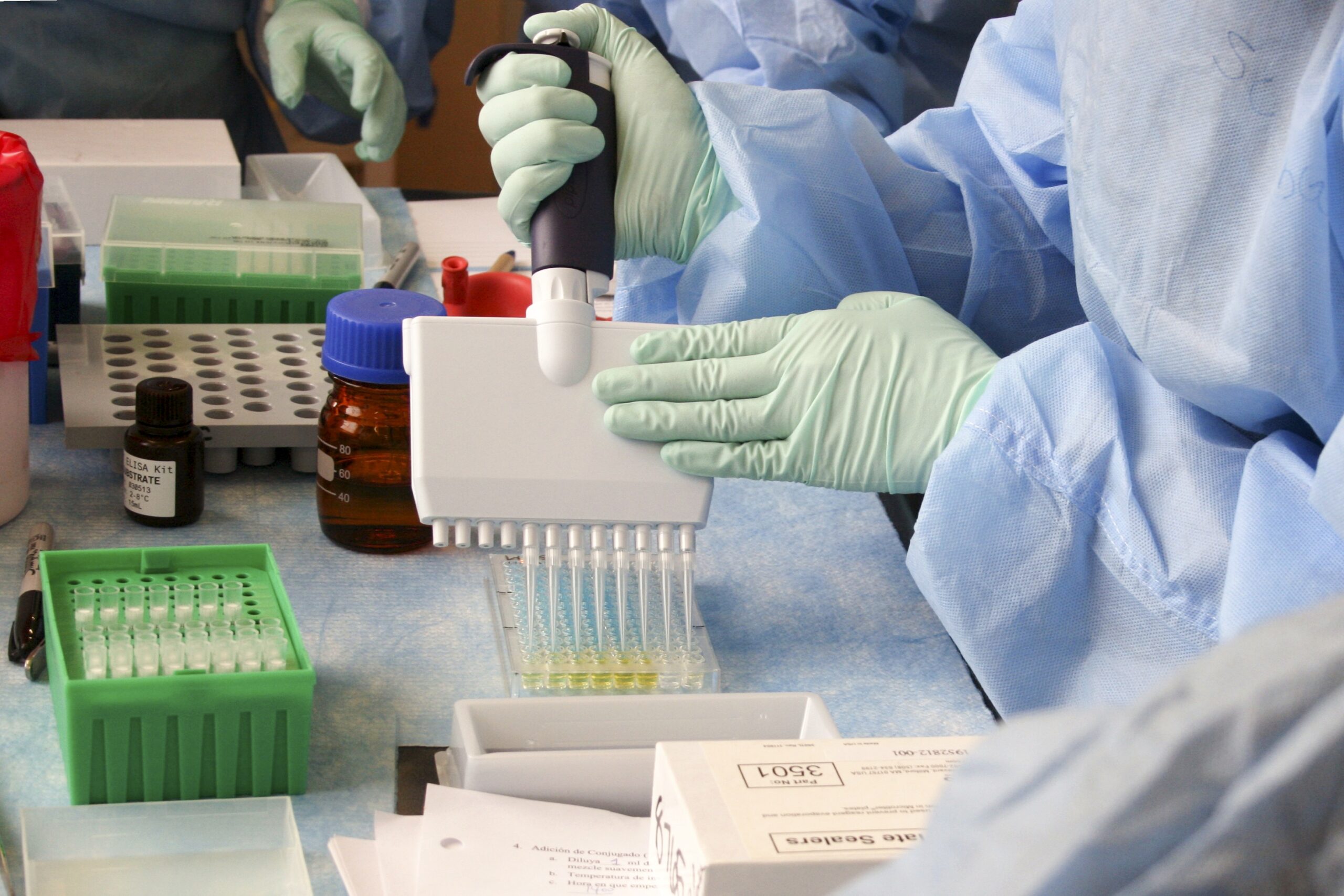
The new facility will be staffed with 67 experts, including specialists in cybercrime, audio analysis, chemical analysis, and other scientific divisions, helping courts get accurate, timely forensic reports — a key pillar in evidence-based prosecution.
Beyond just case processing, the lab will function as a training centre, enhancing the skills of forensic technicians and investigators. Forensic training ensures that evidence collection, chain-of-custody management, and analytical procedures meet rigorous scientific standards, increasing both the credibility and usefulness of forensic results in court. This aligns with broader efforts across India to strengthen forensic capacity and make forensic examination a mandatory, scientifically robust part of criminal investigation.
Initially operating from an interim police quarters premise on Arvi Road, the lab will later shift to a permanent five-acre campus equipped for modern analytical work and residential training.
The establishment marks an important step for scientific criminal investigation in the region, promising faster justice, higher conviction rates, and a stronger forensic infrastructure for Maharashtra.