
Now Reading: Sinking in Silence: 90 Minutes, One Phone Call, and the Death of a System
-
01
Sinking in Silence: 90 Minutes, One Phone Call, and the Death of a System
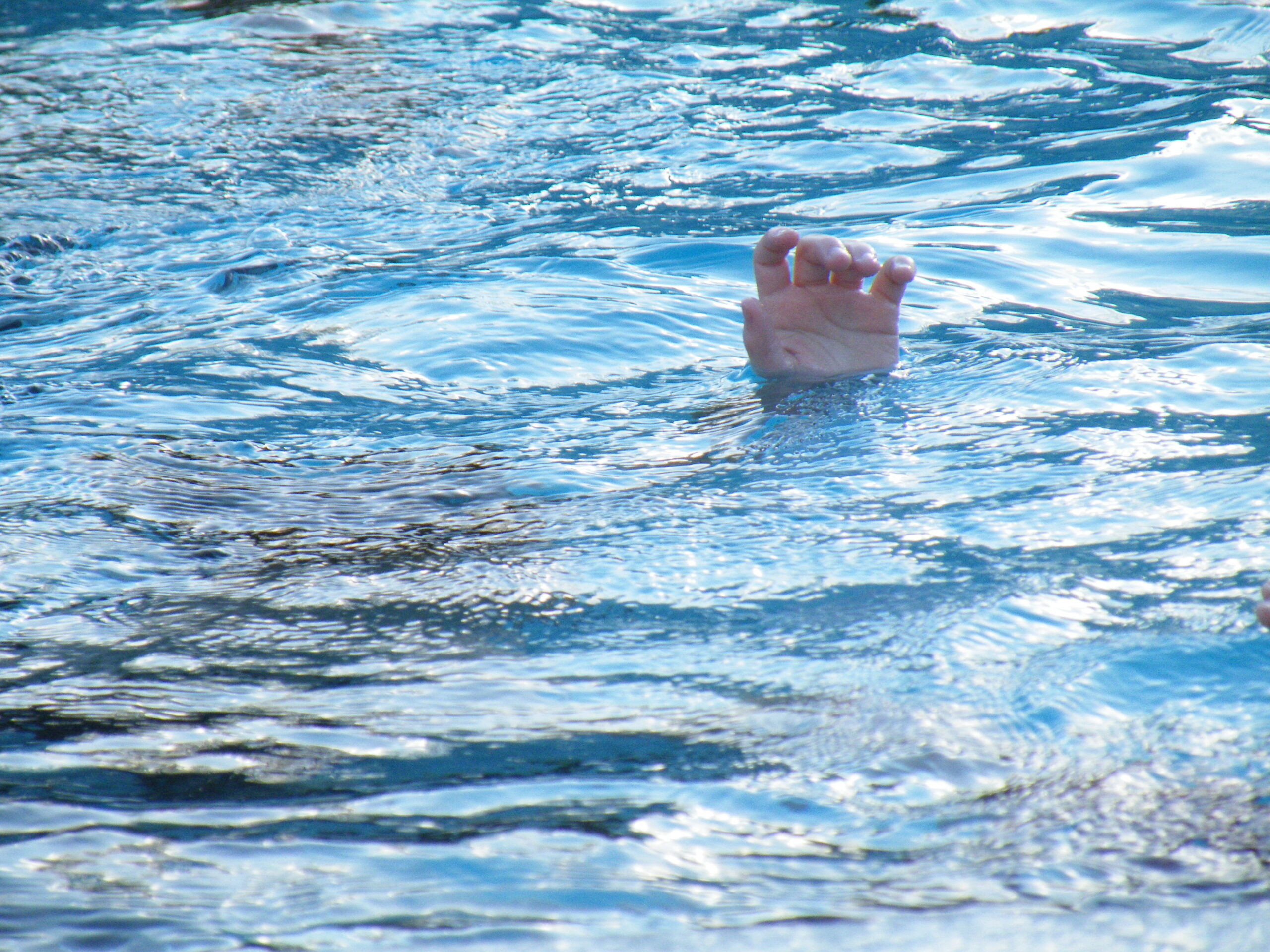

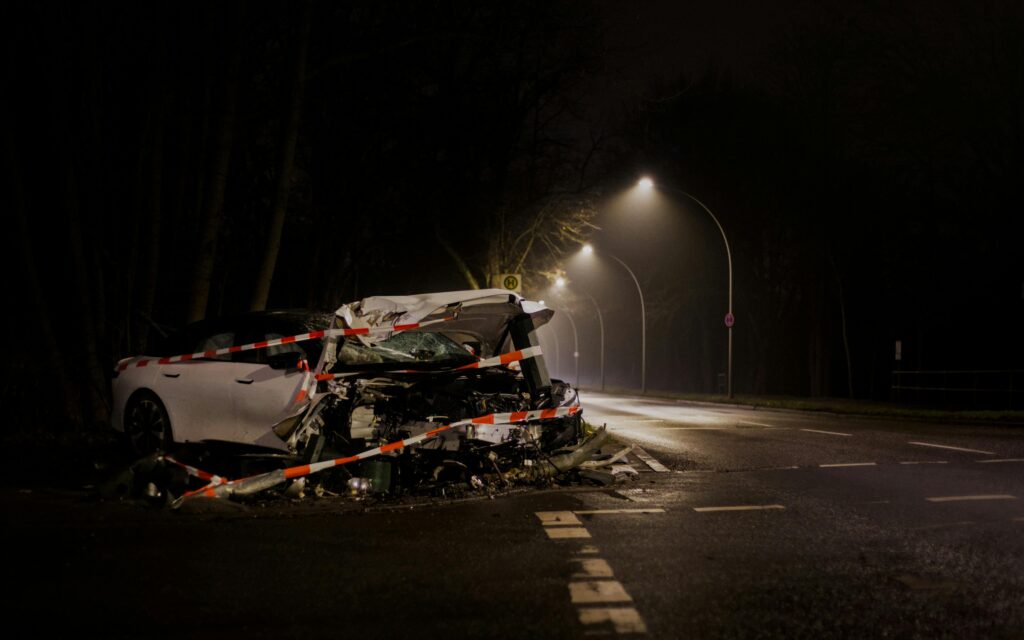
On a cold, fog-shrouded night in Greater Noida, the promise of a bright future was extinguished in a 30-foot pit. Yuvraj Mehta, a 27-year-old software engineer, was just 900 meters from the warmth of his home in Sector 150 when his SUV plunged into a water-filled excavation. For 90 agonizing minutes, Yuvraj fought for his life. He managed to climb onto the roof of his sinking Grand Vitara, flashing his phone’s torch and speaking to his helpless father, Rajkumar Mehta, on the phone. Despite the arrival of police and fire services within 20 minutes, a catastrophic lack of basic rescue gear—divers, boats, and adequate ropes—meant the young engineer was left to drown in the freezing, mud-filled water while rescuers stood on the bank.
The tragedy has peeled back the layers of administrative rot. It was revealed that the site, managed by MZ Wiztown Planners and Lotus Greens, lacked mandatory barricades, reflectors, or even basic fencing. Most damning of all, reports indicate the UP Irrigation Department had warned authorities about this “death trap” as early as 2015, warnings that were systematically ignored.
The fallout has been swift. The CEO of Noida Authority has been removed, and MZ Wiztown’s CEO, Abhay Kumar, has been arrested on charges of culpable homicide. As a Special Investigation Team (SIT) led by ADG Bhanu Bhaskar begins its probe, the citizens of Noida are left asking: How many more lives must be lost before public safety is prioritised over real estate profits?
Forensic Relevance of the Case
The investigation into Yuvraj Mehta’s death relies heavily on forensic science to establish the timeline of negligence and the exact cause of death:
- Autopsy Findings (Cause of Death): The post-mortem report confirmed “Asphyxia due to ante-mortem drowning.” Forensics found approximately 200 ml of fluid in his lungs along with mud deposits in his nostrils and chest. This distinguishes “wet drowning” from “dry drowning” (where the larynx spasms), proving he was alive and breathing when submerged.
- Reflex Cardiac Arrest: The report also cited cardiac failure. Forensically, this is often linked to vagal inhibition caused by the sudden shock of freezing water and extreme psychological stress, which can stop the heart before the lungs completely fill with water.
- Digital Forensics: Yuvraj’s smartphone is a key piece of evidence. Call logs and GPS location sharing (WhatsApp) provide a precise timeline of the struggle. The data can corroborate the family’s claim that he was alive for nearly two hours, highlighting the “golden hour” lost by rescue teams.
- Accident Reconstruction: Forensic experts are analyzing tire skid marks and the impact on the SUV to determine the vehicle’s speed and the angle of the plunge. This will help prove whether the lack of reflectors/barricades was the primary cause of the driver’s disorientation in the fog.