
Now Reading: New DNA Find Gives New Hope to the Sophie Toscan du Plantier Case Murder.
-
01
New DNA Find Gives New Hope to the Sophie Toscan du Plantier Case Murder.
New DNA Find Gives New Hope to the Sophie Toscan du Plantier Case Murder.

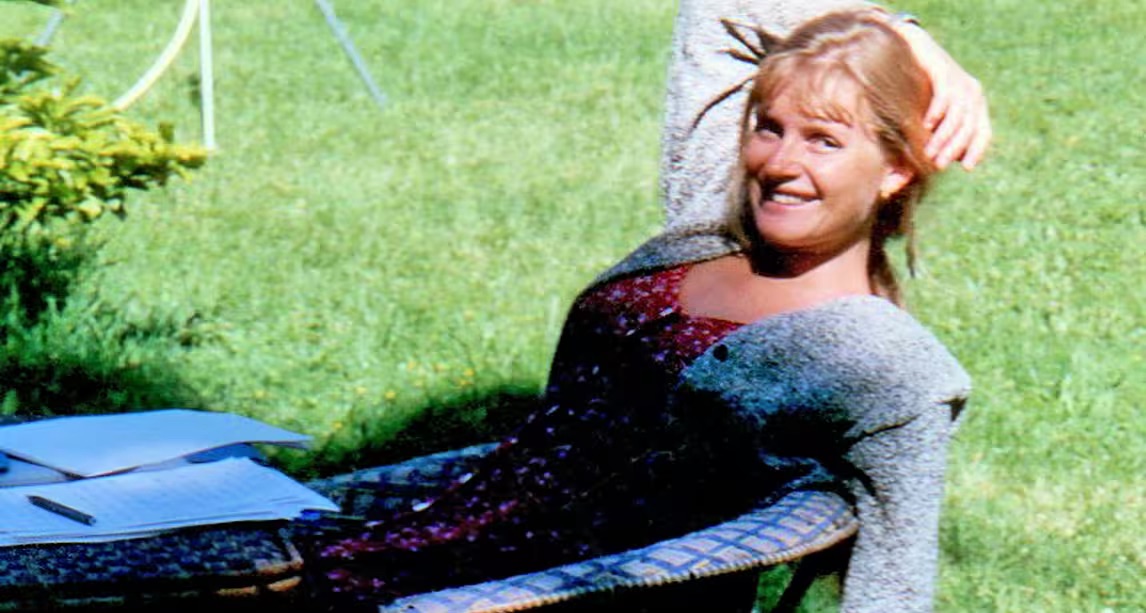
Almost thirty years after the atrocious killing of a French filmmaker, Sophie Toscan du Plantier, the latest development in forensic DNA has sparked renewed interest in the murder of the woman who was brutally killed. The rediscovery of new genetic material at the 1996 crime scene by investigators of the Garda Siochana and Forensic Science Ireland (FSI) has been reported to be the most important lead in many years. On December 23, 1996, the 39-year-old French TV producer was beaten to death outside her holiday cottage in West Cork, Schull, in West Cork. The brutality of the murder and the absence of eyewitnesses made the case one of the most unsolved murders in Ireland. The case has revolved around journalist Ian Bailey, who was twice arrested but not indicted in Ireland. The filmmaker continued to defend himself until his death in January 2024, even though he was found guilty in absentia by a court in France in 2019.
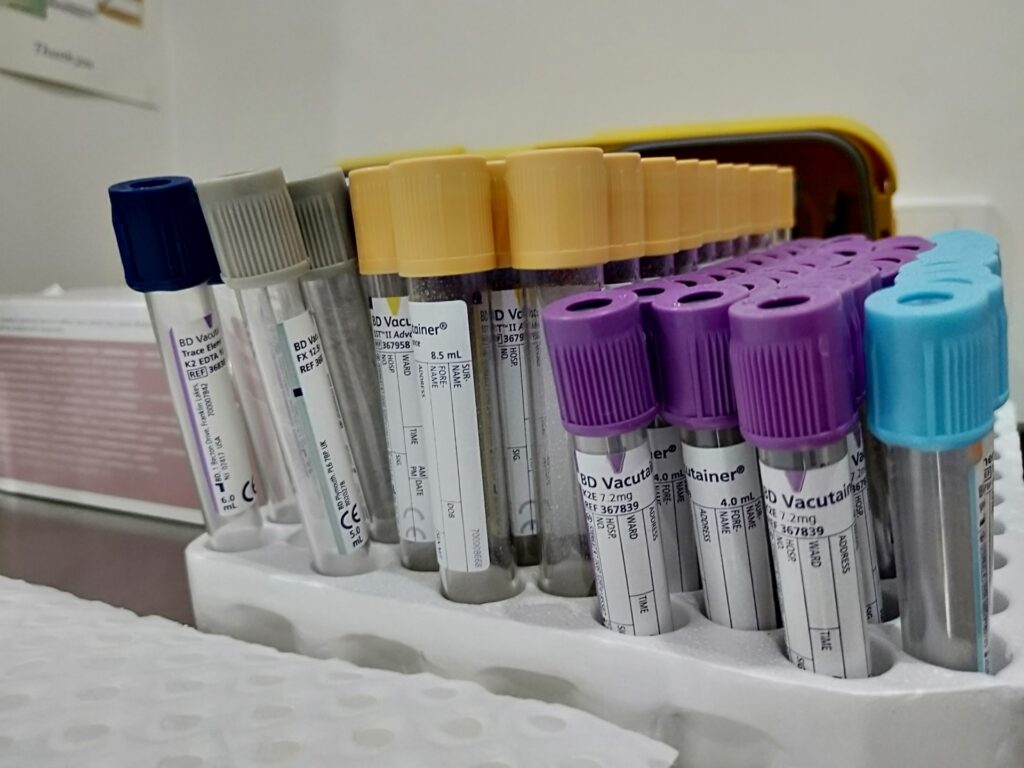
In 2023, a fresh forensic effort was made when the case was reopened by Gardai as part of the Serious Crime Review Team. The new technologies of Touch DNA and M-Vac extraction were used to test evidence that had been preserved or ignored before. These are the high-tech methods that enable a forensic scientist to retrieve microscopic data of DNA traces on porous surfaces like clothing, concrete, and stones.
Authors who were intimate with the investigation verified that new DNA samples were discovered on various articles, such as the rock and concrete block, which was thought to have been utilised as a murder weapon, and pieces of clothing worn by Sophie. Forensic Science Ireland has developed the DNA profiles that are now being compared to stored genetic samples of several persons who were involved in the case, including the DNA submitted by Ian Bailey previously.
In the most recent incident, the sister of Bailey held a press conference to ask Gardai to publish the DNA results. She says that the new profiles cannot be similar to her late brother, hence the results should be published to clear him. Should the DNA not match Ian, then we must admit that the real killer has never been taken in, she said.
The Toscan du Plantier family, in its turn, has already expressed its unanimous support for further forensic testing, exalting the advancement of science after years of dead-end investigation. Gardai intend to reference European forensic laboratories to verify the findings, according to sources, which will guarantee internationalisation of reliability and control of contamination.
With the ever-evolving forensic DNA technology, investigators are now optimistic that this new evidence will perhaps help to reveal the truth that was long overdue in unravelling the mystery that has been the case of one of the most long-running murder mysteries in Europe. Forensic Science Ireland has refused to disclose any details, stating that it was under active analysis, but an inside source speaks of it as a potentially case-determining development.
Almost thirty years later, the science that was not available in 1996 can possibly give Sophie the justice that she had so long deserved.