
Now Reading: Indonesia Urged to Pay the Bills of Sexual Assault Survivors for Forensic Examination.
-
01
Indonesia Urged to Pay the Bills of Sexual Assault Survivors for Forensic Examination.
Indonesia Urged to Pay the Bills of Sexual Assault Survivors for Forensic Examination.

Indonesia – February 3, 2026: An increasing controversy concerning access to justice has become central to Indonesia following claims by women’s rights activists urging the government to guarantee that the victims of sexual assault are not asked to pay to receive a forensic medical examination. It has been shown to have a national and international impact, and that the problem can be directly related to the financial barriers to forensic evidence gathering and the pursuit of justice.
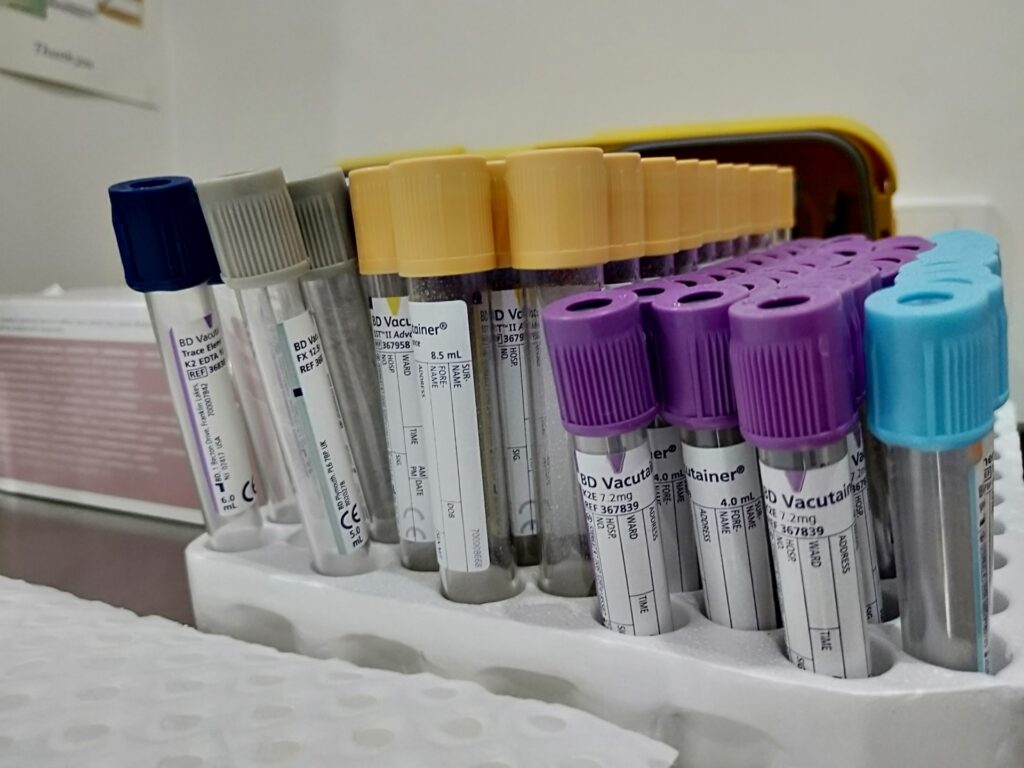
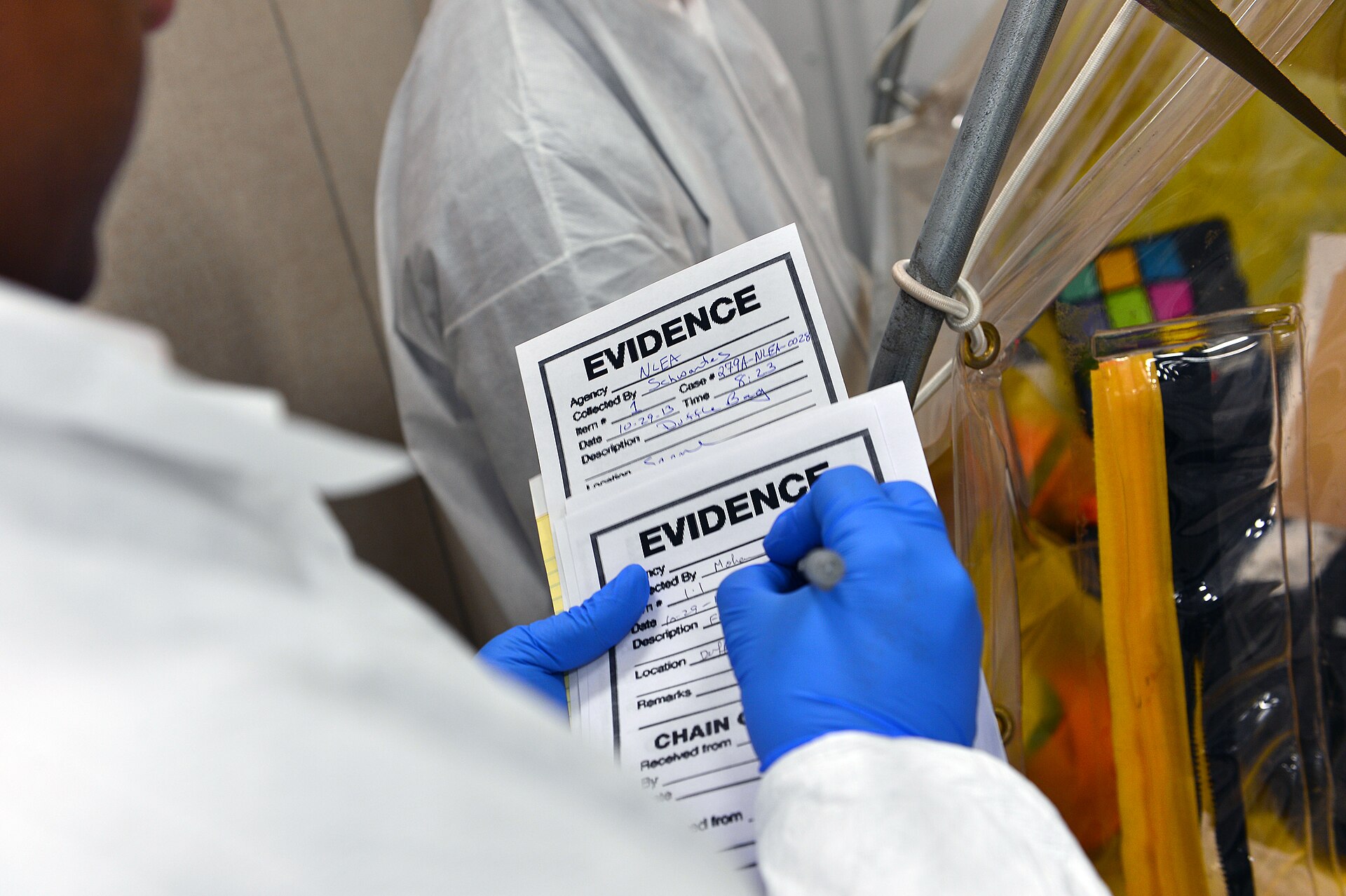
Komnas Perempuan, the National Commission of Violence against Women in Indonesia, led the call, making a public appeal to the law enforcement agencies to meet the full costs of forensic examination that is necessitated in sexual violence cases. The commission reported that a large number of survivors encounter major challenges when referring to medical forensic exams, referred to as the visum et repertum, that are essential in recording injuries and gathering biological evidence. Currently, even in certain areas, survivors have to cover the costs of such examinations themselves, even though the forensic reports are necessary to the police inquiries and judicial proceedings. Komnas Perempuan cautioned that such a financial weight would likely have the effect of scaring victims into not even attending examinations, thus losing vital forensic data, sluggish investigations or the eventual abandonment of a case altogether.
The commission pointed out that forensic exams should not even be discussed in terms of optional medical services but as a fundamental part of the criminal justice process. Sexual violence prosecution is a serious challenge to the prosecutors without prompt documentation of injuries, DNA samples or any other tangible discoveries. This directly negates the rights of the survivors and compromises the legal process.
Proponents also noted that pay requirements could re-traumatise the survivors, particularly those who have a low economic background. The question of having to provide funding towards their own forensic documentation conveys the message that they should be responsible, as opposed to the system. Komnas Perempuan emphasised that the forensic examination cost is not an individual cost.
Most nations internationally have implemented policies that guarantee that sexual assault forensic examinations are offered free of charge due to their relevance in the healthcare and justice domains. According to the activists of Indonesia, the adoption of similar standards would help to increase confidence in the law enforcement system, increase the rate of reporting and guarantee that evidence will be gathered in a timely and professional manner.
As the debate continues to take place, the matter has become the focus of wider debates regarding victim-focused forensic policies and equal justice access. Forensic professionals do concur that it is necessary to eliminate financial obstacles not only to ensure the safety of survivors but also to make sure that forensic science will be allowed to operate in sexual violence cases.